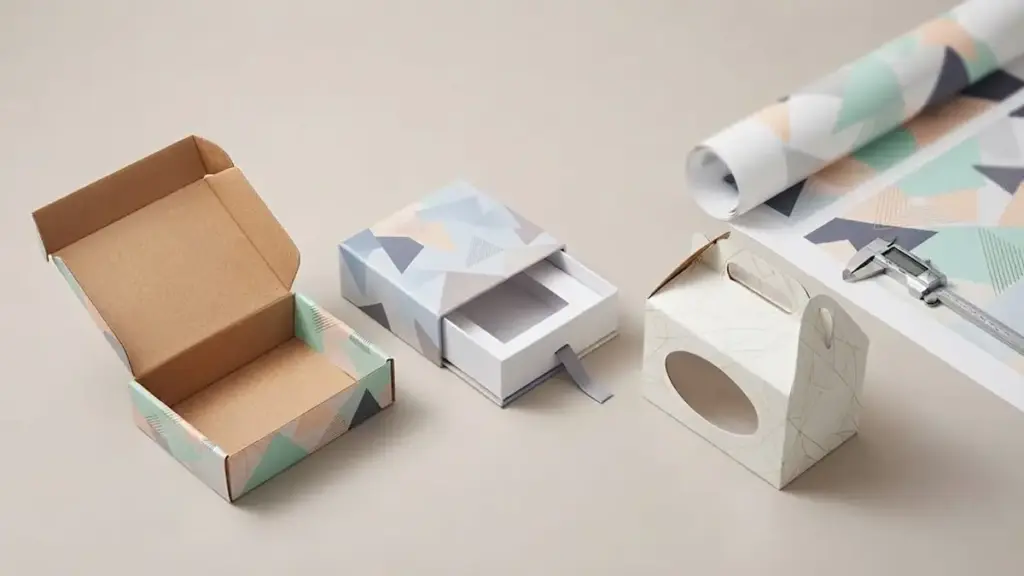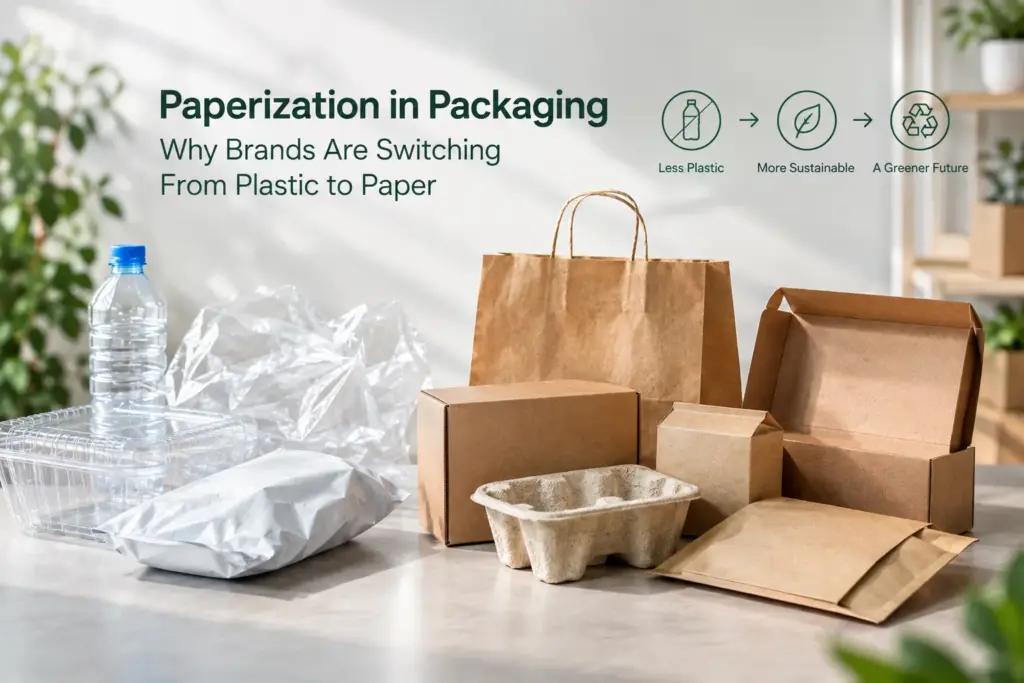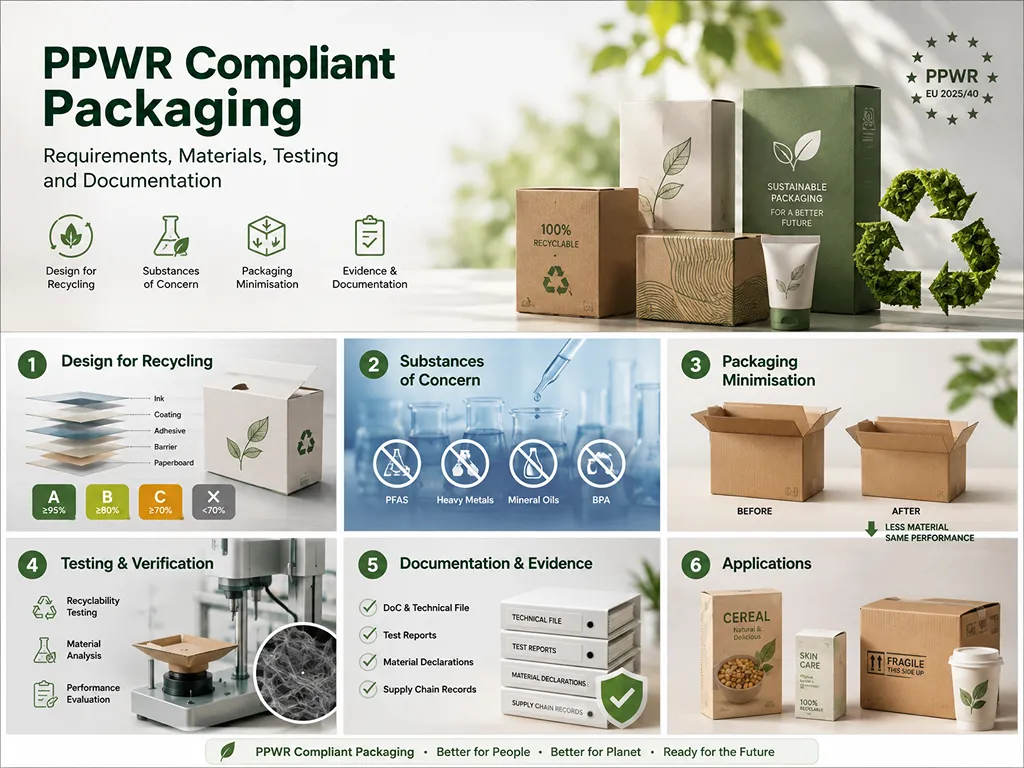
Pick up a cosmetic product today, and chances are the packaging will end up in the trash long before the product is finished. As consumers become more eco-conscious, brands are under growing pressure to reduce waste and make smarter packaging choices. In questa guida, you’ll learn about the most popular sustainable materials in cosmetic packaging and how they can support both your brand and the environment.
Why Sustainable Cosmetic Packaging is a 2026 Business Standard
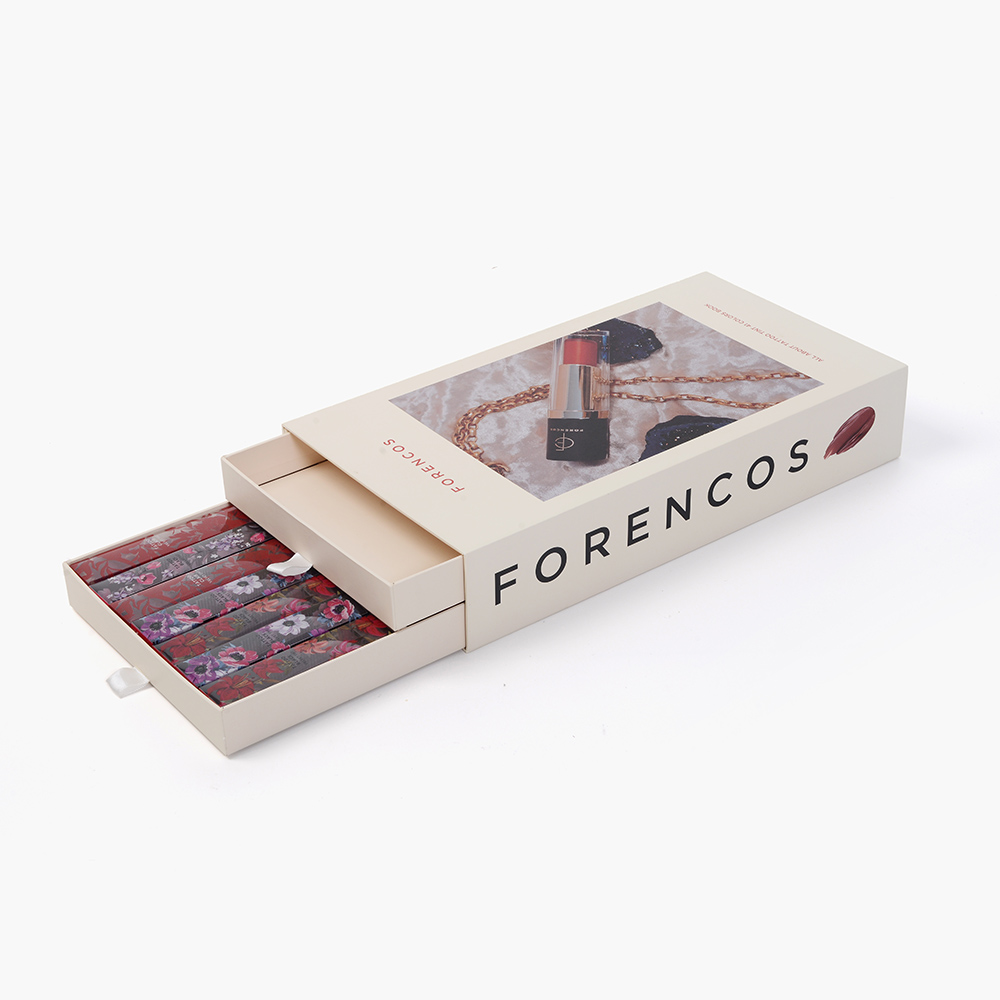
Sustainable packaging is no longer a peripheral trend; it is a core benchmark for global supply chain compliance. Consumer behavior drives this shift, with surveys confirming that over 70% of millennial and Gen Z buyers prioritize brands using eco-friendly skincare containers. For B2B stakeholders, transitioning to green solutions is a strategic move to differentiate products in a saturated market and build long-term brand equity.
Beyond consumer preference, tightening global regulations necessitate immediate action. The European Union’s latest mandates require all wholesale cosmetic packaging to meet strict recyclability standards by 2030, with non-compliance triggering severe revenue penalties. Strategically, adopting lightweight sustainable packaging and modular box designs optimizes shipping efficiency and storage costs. Aligning with these standards ensures your brand secures premium positioning while mitigating future regulatory risks.
What Are the Main Sustainable Materials in Cosmetic Packaging?
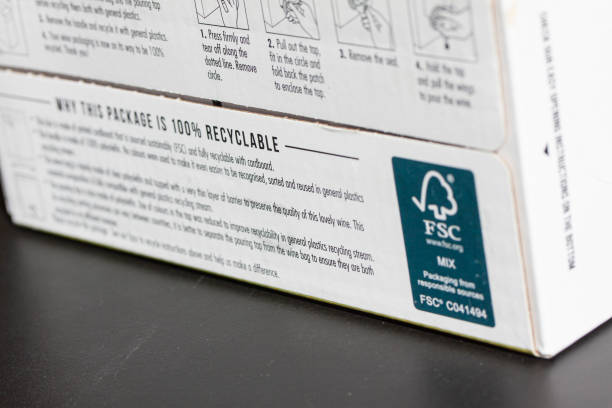
Selecting the right substrate is a technical decision that balances LCA data with brand aesthetics. The following materials dominate the sustainable B2B landscape:
FSC-Certified Paperboard for Rigid Boxes
FSC-certified materials ensure responsible forestry and supply chain transparency.
- Technical Specs: Ideal for custom rigid boxes using 300–400 gsm paperboard.
- Performance: Delivers high structural integrity and a 20% reduction in carbon emissions compared to virgin board.
- Aesthetic Versatility: Supports premium finishes like foil stamping, goffratura, and spot UV for luxury branding.
PCR Plastics in Cosmetic Packaging
Post-consumer recycled (PCR) resin repurposes existing waste, moving toward a circular economy.
- Impatto ambientale: Substituting virgin PET with PCR saves approximately 1.7 kg of CO2 emissions per 100g.
- Applicazioni: Highly effective for wholesale serum bottles and cream jars.
- Professional Grade: Modern engineering ensures transparency and durability indistinguishable from virgin plastics, maintaining a high-end glossy finish.
Molded Pulp and Plant-Based Alternatives
These bio-based materials offer renewable, plastic-free pathways for secondary and primary packaging.
- Strategic Benefit: Offers a credible “Zero-Plastic” narrative for brands targeting niche, eco-conscious demographics.
- Polpa modellata: Superior shock-absorbing properties for protective inserts, reducing the need for excess filler.
- Bioplastics: Options like sugarcane or cornstarch-derived polymers provide compostable solutions for compacts and balms.
Biodegradable vs. Compostable Packaging: Which Is Better for Beauty Brands?
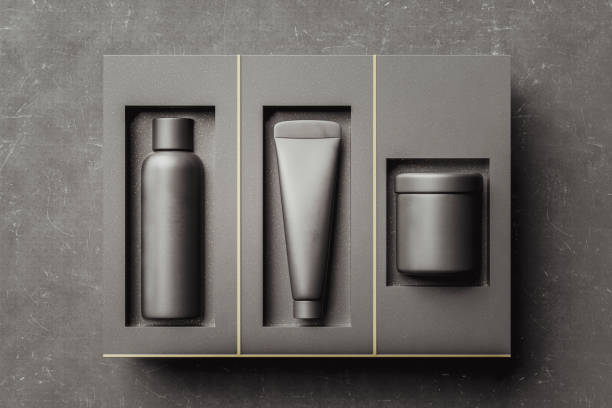
The terms “biodegradable” and “compostable” are often used interchangeably, but they differ significantly in performance and requirements.
The Real Difference Between Biodegradable and Compostable Materials
Biodegradable materials break down into natural components over time through biological processes. Tuttavia, the timeframe can vary dramatically—months to years—depending on environmental conditions. Compostable materials, in contrast, decompose under controlled industrial conditions, converting into nutrient-rich compost typically within 90–180 days.
From a packaging expert’s perspective, biodegradable plastics may sound appealing but can leave microplastics if not managed properly. Compostable materials, while more environmentally reliable, require access to industrial composting facilities, which are not yet universally available.
Industrial Composting Limitations in Global Markets
In many regions, particularly outside Europe, industrial composting infrastructure is limited. Cosmetic brands adopting compostable packaging may face end-of-life challenges if local facilities cannot process the material efficiently. In the U.S., Per esempio, only around 2% of municipalities provide industrial composting for commercial products.
Thus, brands must evaluate logistics and market availability before committing to fully compostable packaging solutions. Otherwise, the environmental benefits may not materialize as intended.
Which Option Is More Practical for Large-Scale Cosmetic Packaging?
For mass-market brands with global distribution, PCR plastics and FSC-certified paperboard often offer the most practical solution. They can be recycled through existing systems, and they maintain consistent quality at scale. Compostable solutions may be better suited for boutique brands targeting niche markets or regions with established industrial composting infrastructure.
Looking for Sustainable Cosmetic Packaging?
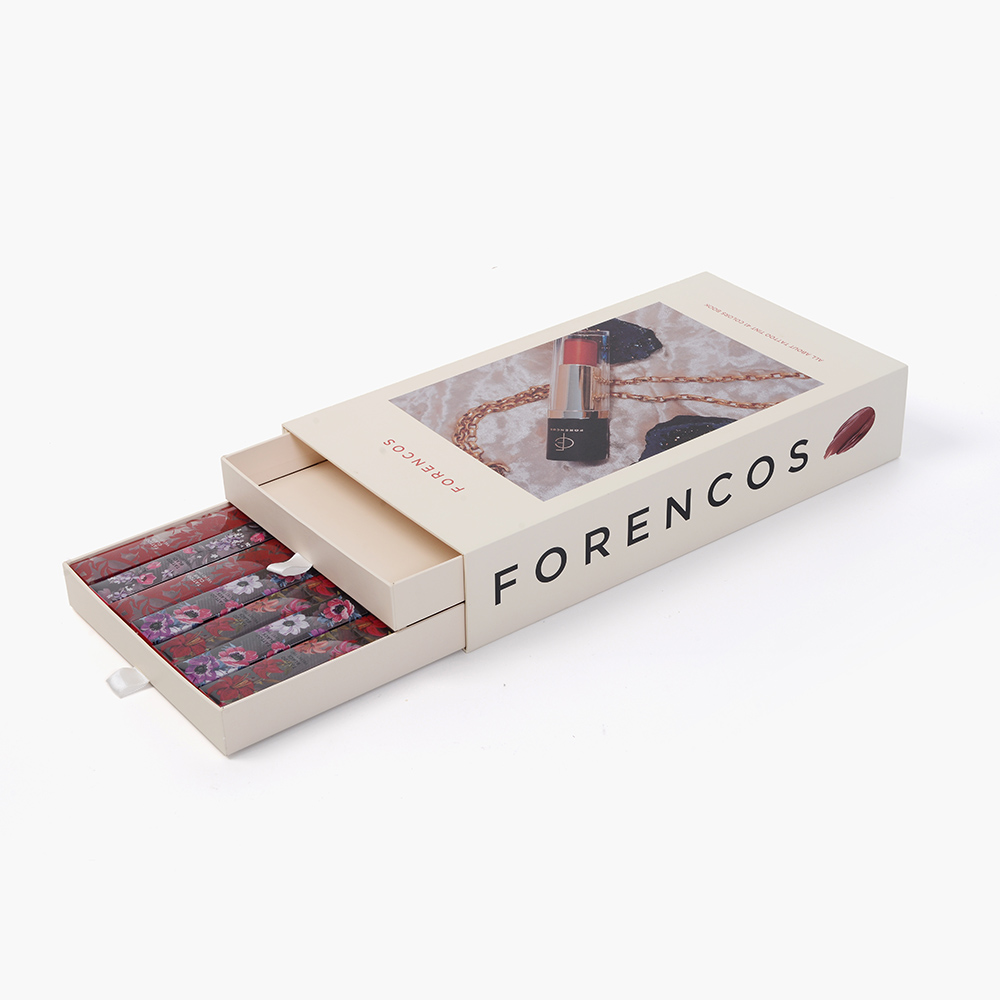
Sustainable Printing Methods for Premium Cosmetic Packaging
Printing choices play a vital role in sostenibilità. Traditional solvent-based inks contain volatile organic compounds (VOCs) and heavy metals, which are harmful to the environment. Sustainable alternatives include water-based inks, inchiostri a base di soia, and UV-curable inks with low VOC content.
Water-based inks are particularly effective for paperboard packaging, offering vibrant colors without harmful emissions. Soy-based inks provide excellent gloss and color saturation while being renewable. UV-curable inks, d'altra parte, can be used on both paper and plastics, requiring less energy for drying and reducing solvent use.
For luxury packaging, combining FSC-certified paperboard with eco-friendly inks allows brands to maintain visual appeal while adhering to sustainability principles.
How Structural Design Can Reduce Packaging Waste and Carbon Emissions
Sustainable packaging is not just about materials; design plays an equally important role. Thoughtful structural engineering can reduce waste and lower carbon emissions across the supply chain.
Lightweight Packaging for Lower Shipping Emissions
Reducing material weight directly impacts shipping efficiency. Per esempio, a rigid box that is 15% lighter can lower transportation emissions by approximately 10–12% per shipment. Lightweighting requires balancing durability and presentation qualità, which can be achieved through optimized corrugated inserts or minimalistic outer shells.
Reducing Excess Materials Through Smarter Box Engineering
Innovative box structures, such as foldable inserts or nested designs, minimize excess material usage. Ad esempio, a well-engineered two-piece scatola rigida can reduce paperboard consumption by 20–25% without compromising strength. Using die-cut shapes and precision folds also allows brands to achieve structural integrity while maintaining an elegant appearance.
Balancing Sustainability with Luxury Packaging Expectations
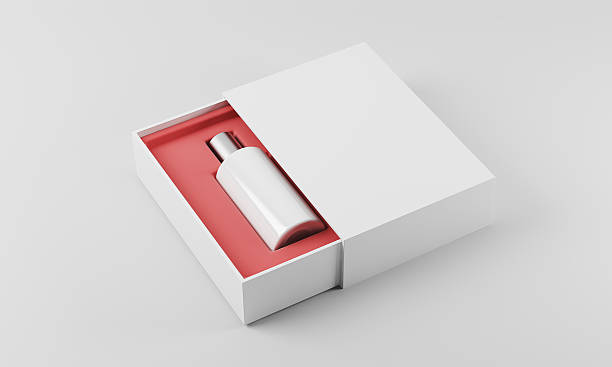
One of the biggest challenges for cosmetic brands is maintaining a luxurious feel while adopting sustainable materials. Consumers expect products to feel premium, from the tactile sensation of the box to the visual impact of finishing details.
Luxury brands can achieve this balance by combining FSC-certified paperboard with high-end finishes like soft-touch lamination, stampa a foglio, or embossing. Similarly, PCR plastics can be blended with transparent coatings to retain clarity and gloss. The key is to integrate sustainability seamlessly, so that the environmental benefits enhance the brand story without undermining perceived value.
Final Thought
The future of cosmetic packaging is becoming greener, smarter, and more innovative. Throughout this guide, we’ve explored a wide range of sustainable materials, from recycled paper and PCR plastics to glass, aluminum, and plant-based alternatives. Each material comes with its own strengths, making it important to balance sustainability goals with product protection, posizionamento del marchio, e le aspettative dei clienti.
For brands ready to take the next step, the right packaging partner can make the transition much easier. PacchettoCCP helps beauty brands develop custom cosmetic packaging that combines sustainability, funzionalità, and visual appeal. Whether you’re exploring recyclable rigid boxes, eco-friendly printing methods, or innovative packaging materials, our team can help turn your ideas into packaging solutions that support both your business goals and environmental commitments.
Contattaci oggi to discuss your cosmetic packaging project and discover sustainable solutions tailored to your brand.
Domande frequenti
Are FSC-certified paperboard boxes suitable for all types of cosmetics?
SÌ. They are especially ideal for rigid boxes used in perfumes, skincare sets, and gift packaging due to their strength and premium finish.
Can PCR plastics match the quality of virgin plastics?
Modern PCR plastics are highly refined and can be almost indistinguishable from virgin materials in transparency, lucentezza, e durata.
What is the difference between biodegradable and compostable packaging?
Biodegradable packaging decomposes naturally over time, but the process is slow and may leave residues. Compostable packaging breaks down quickly under controlled industrial conditions.
How can packaging design reduce environmental impact?
Using lightweight materials, foldable inserts, and optimized box structures reduces both material use and shipping emissions.
Are plant-based materials practical for large-scale cosmetic production?
They are suitable for niche or boutique markets. Large-scale production may face challenges due to variability in material behavior and limited industrial composting infrastructure.