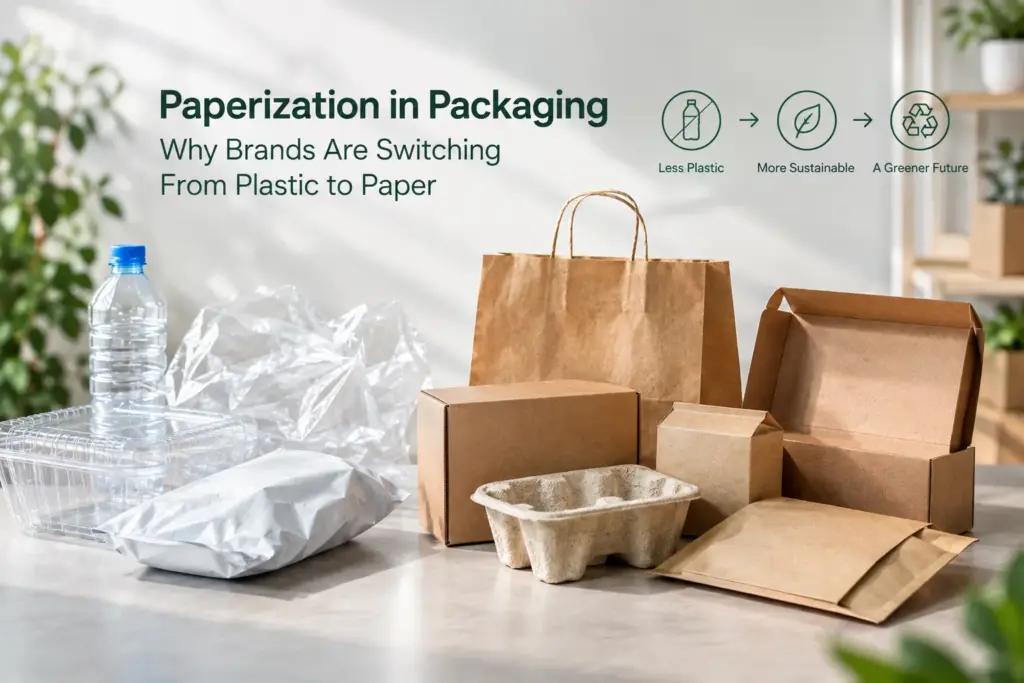
Procurez-vous un produit cosmétique aujourd'hui, et il y a de fortes chances que l'emballage finisse à la poubelle bien avant que le produit ne soit fini. Alors que les consommateurs deviennent plus soucieux de l’environnement, les marques subissent une pression croissante pour réduire les déchets et faire des choix d’emballage plus intelligents. Dans ce guide, vous découvrirez les matériaux durables les plus populaires dans les emballages cosmétiques et comment ils peuvent soutenir à la fois votre marque et l'environnement..
Pourquoi l'emballage cosmétique durable est un 2026 Norme commerciale
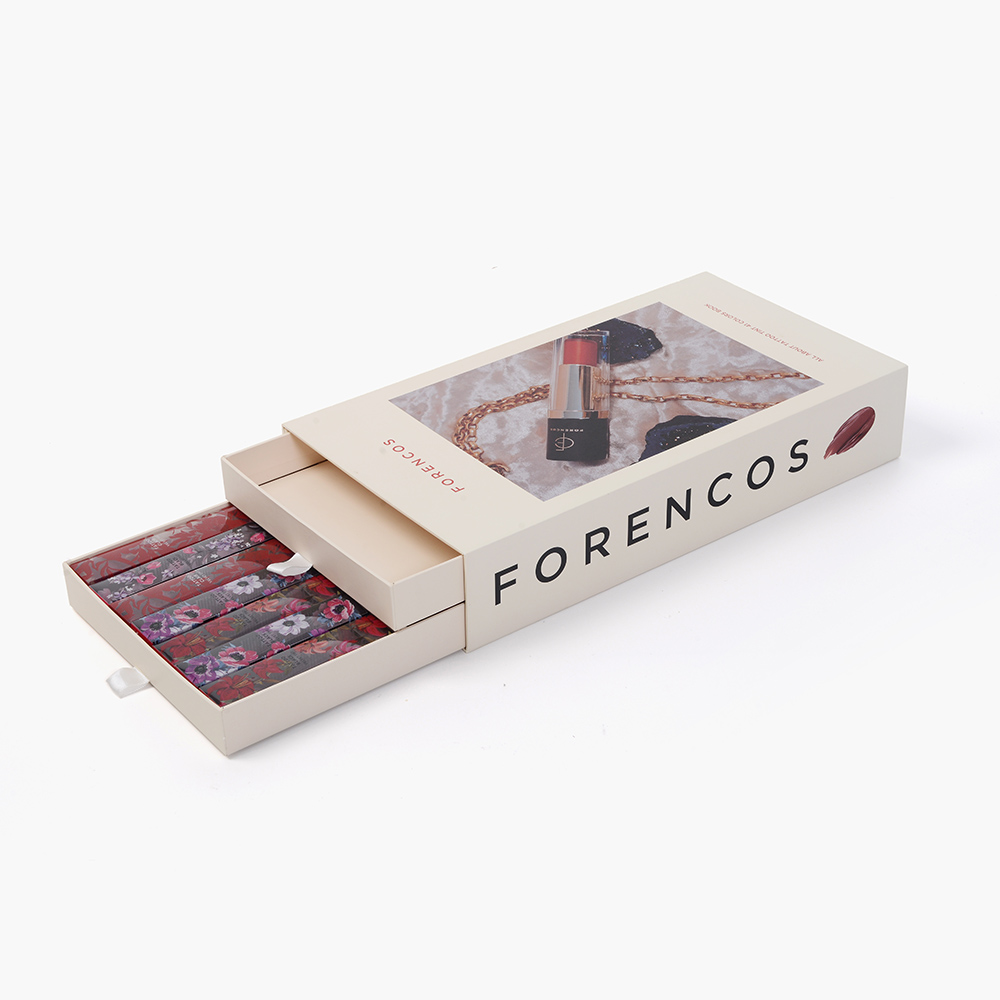
L’emballage durable n’est plus une tendance périphérique; il s'agit d'une référence essentielle pour la conformité de la chaîne d'approvisionnement mondiale. Le comportement des consommateurs est à l’origine de ce changement, avec des enquêtes confirmant que plus 70% des acheteurs de la génération Y et de la génération Z donnent la priorité aux marques utilisant des contenants de soins de la peau respectueux de l'environnement. Pour les acteurs B2B, la transition vers des solutions vertes est une démarche stratégique pour différencier les produits sur un marché saturé et renforcer le capital de marque à long terme.
Au-delà des préférences des consommateurs, le renforcement des réglementations mondiales nécessite une action immédiate. Les derniers mandats de l’Union européenne exigent que tous vente en gros emballage cosmétique répondre à des normes strictes de recyclabilité en 2030, le non-respect entraînant de sévères pénalités en matière de revenus. Stratégiquement, l'adoption d'emballages légers et durables et de conceptions de boîtes modulaires optimise l'efficacité de l'expédition et les coûts de stockage. L'alignement sur ces normes garantit à votre marque un positionnement haut de gamme tout en atténuant les risques réglementaires futurs..
Quels sont les principaux matériaux durables dans les emballages cosmétiques?
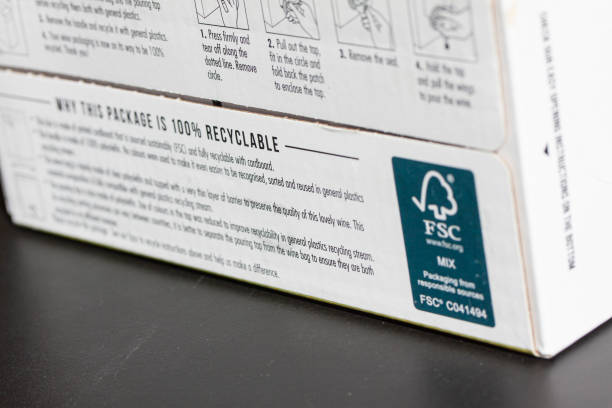
La sélection du bon substrat est une décision technique qui équilibre les données ACV avec l'esthétique de la marque.. Les matériaux suivants dominent le paysage B2B durable:
Carton certifié FSC pour boîtes rigides
Les matériaux certifiés FSC garantissent la transparence d'une foresterie responsable et de la chaîne d'approvisionnement.
- Spécifications techniques: Idéal pour boîtes rigides sur mesure en utilisant du carton de 300 à 400 g/m².
- Performance: Offre une intégrité structurelle élevée et un 20% réduction des émissions de carbone par rapport au carton vierge.
- Polyvalence esthétique: Prend en charge les finitions haut de gamme comme l'estampage à chaud, gaufrage, et spot UV pour le branding de luxe.
Plastiques PCR dans les emballages cosmétiques
Recyclé post-consommation (RAP) la résine réutilise les déchets existants, vers une économie circulaire.
- Impact environnemental: La substitution du PET vierge par la PCR permet d'économiser environ 1.7 kg d'émissions de CO2 pour 100g.
- Applications: Très efficace pour les flacons de sérum et les pots de crème en gros.
- Qualité professionnelle: L'ingénierie moderne garantit une transparence et une durabilité impossibles à distinguer des plastiques vierges., conserver une finition brillante haut de gamme.
Pâte moulée et alternatives végétales
Ces matériaux biosourcés offrent des ressources renouvelables, des filières sans plastique pour les emballages secondaires et primaires.
- Avantage stratégique: Offre une crédibilité “Zéro plastique” récit pour les marques ciblant une niche, une démographie soucieuse de l'environnement.
- Pâte moulée: Propriétés supérieures d’absorption des chocs pour les inserts de protection, réduisant le besoin d’excès de charge.
- Bioplastiques: Des options telles que les polymères dérivés de la canne à sucre ou de la fécule de maïs offrent des solutions compostables pour les compacts et les baumes..
Biodégradable vs. Emballage compostable: Ce qui est mieux pour les marques de beauté?
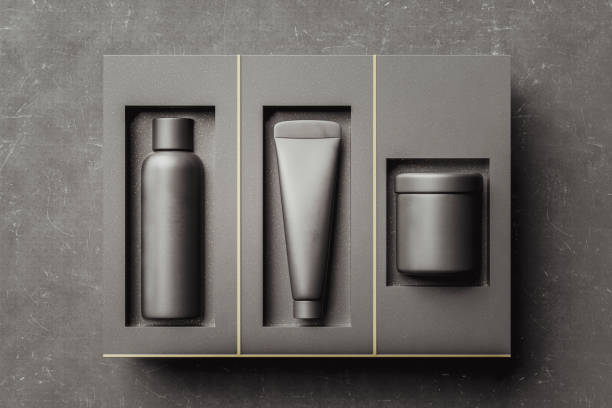
Les termes « biodégradable » et « compostable » sont souvent utilisés de manière interchangeable, mais ils diffèrent considérablement en termes de performances et d'exigences.
La vraie différence entre les matériaux biodégradables et compostables
Les matériaux biodégradables se décomposent en composants naturels au fil du temps grâce à des processus biologiques. Cependant, le délai peut varier considérablement (de quelques mois à plusieurs années) en fonction des conditions environnementales. Matériaux compostables, en revanche, se décomposer dans des conditions industrielles contrôlées, transformation en compost riche en nutriments généralement dans les 90 à 180 jours.
Du point de vue d’un expert en emballage, les plastiques biodégradables peuvent sembler attrayants, mais peuvent laisser des microplastiques s'ils ne sont pas gérés correctement. Matériaux compostables, tout en étant plus fiable sur le plan environnemental, nécessitent un accès à des installations de compostage industriel, qui ne sont pas encore universellement disponibles.
Limites du compostage industriel sur les marchés mondiaux
Dans de nombreuses régions, surtout hors d'Europe, les infrastructures de compostage industriel sont limitées. Les marques de cosmétiques qui adoptent des emballages compostables pourraient être confrontées à des défis de fin de vie si les installations locales ne peuvent pas traiter efficacement les matériaux.. Aux États-Unis, Par exemple, seulement autour 2% des municipalités proposent un compostage industriel pour les produits commerciaux.
Ainsi, les marques doivent évaluer la logistique et la disponibilité sur le marché avant de s'engager dans des solutions d'emballage entièrement compostables. Sinon, les avantages environnementaux pourraient ne pas se matérialiser comme prévu.
Quelle option est la plus pratique pour les emballages cosmétiques à grande échelle?
Pour les marques grand public avec une distribution mondiale, Les plastiques PCR et le carton certifié FSC offrent souvent la solution la plus pratique. Ils peuvent être recyclés via les systèmes existants, et ils maintiennent une qualité constante à grande échelle. Les solutions compostables peuvent être mieux adaptées aux marques de boutique ciblant des marchés de niche ou des régions dotées d'une infrastructure de compostage industriel établie..
À la recherche d’emballages cosmétiques durables?
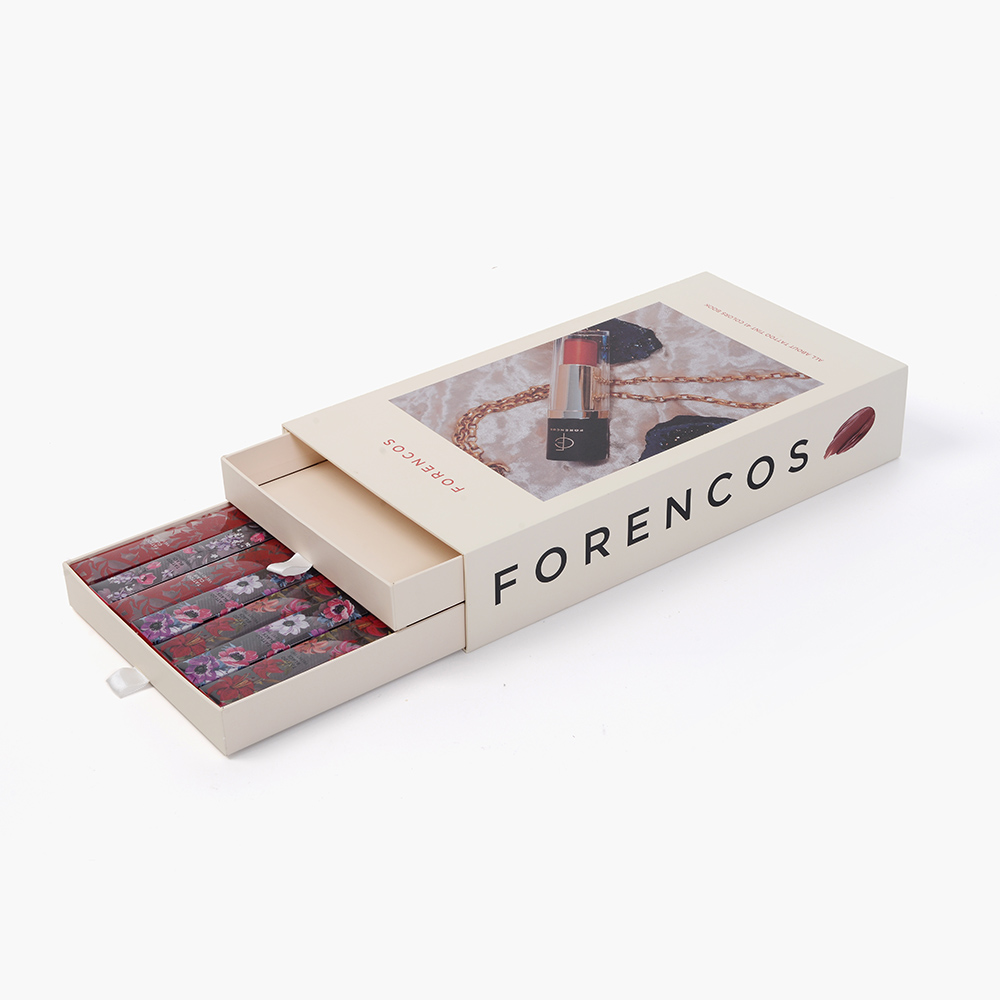
Méthodes d'impression durables pour les emballages cosmétiques haut de gamme
Les choix d'impression jouent un rôle essentiel dans durabilité. Les encres traditionnelles à base de solvants contiennent des composés organiques volatils (COV) et métaux lourds, qui sont nocifs pour l'environnement. Les alternatives durables incluent les encres à base d'eau, encres à base de soja, et encres durcissables aux UV à faible teneur en COV.
Les encres à base d'eau sont particulièrement efficaces pour les emballages en carton, offrant des couleurs vibrantes sans émissions nocives. Les encres à base de soja offrent une excellente brillance et une excellente saturation des couleurs tout en étant renouvelables. Encres durcissables aux UV, d'autre part, peut être utilisé sur le papier et le plastique, nécessitant moins d'énergie pour le séchage et réduisant l'utilisation de solvants.
Pour les emballages de luxe, la combinaison de carton certifié FSC avec des encres respectueuses de l'environnement permet aux marques de conserver leur attrait visuel tout en adhérant aux principes de durabilité.
Comment la conception structurelle peut réduire les déchets d'emballage et les émissions de carbone
L’emballage durable n’est pas seulement une question de matériaux; le design joue un rôle tout aussi important. Une ingénierie structurelle réfléchie peut réduire les déchets et les émissions de carbone tout au long de la chaîne d'approvisionnement..
Emballage léger pour réduire les émissions du transport
La réduction du poids des matériaux a un impact direct sur l'efficacité de l'expédition. Par exemple, une boîte rigide qui est 15% un briquet peut réduire les émissions liées au transport d'environ 10 à 12 % par expédition. L'allègement nécessite un équilibre entre durabilité et présentation qualité, ce qui peut être réalisé grâce à des inserts ondulés optimisés ou des coques extérieures minimalistes.
Réduire les matériaux excédentaires grâce à une ingénierie de boîtes plus intelligente
Structures de caissons innovantes, tels que des inserts pliables ou des designs imbriqués, minimiser l’utilisation excessive de matériaux. Par exemple, un deux pièces bien conçu boîte rigide peut réduire la consommation de carton de 20 à 25 % sans compromettre la résistance. L'utilisation de formes découpées et de plis de précision permet également aux marques d'atteindre l'intégrité structurelle tout en conservant une apparence élégante..
Équilibrer la durabilité avec les attentes en matière d’emballage de luxe
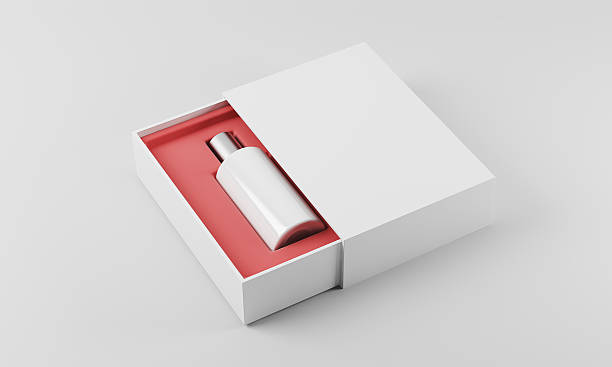
L’un des plus grands défis des marques de cosmétiques est de conserver une sensation de luxe tout en adoptant des matériaux durables.. Les consommateurs s’attendent à ce que les produits soient de qualité supérieure, de la sensation tactile de la boîte à l'impact visuel des détails de finition.
Les marques de luxe peuvent atteindre cet équilibre en combinant du carton certifié FSC avec des finitions haut de gamme comme le laminage doux au toucher., estampage à chaud, ou gaufrage. De la même manière, Les plastiques PCR peuvent être mélangés à des revêtements transparents pour conserver leur clarté et leur brillance.. La clé est d’intégrer la durabilité de manière transparente, afin que les avantages environnementaux renforcent l'histoire de la marque sans nuire à la valeur perçue.
Pensée finale
L’avenir des emballages cosmétiques devient plus vert, plus intelligent, et plus innovant. Tout au long de ce guide, nous avons exploré une large gamme de matériaux durables, du papier recyclé et des plastiques PCR au verre, aluminium, et alternatives végétales. Chaque matériau a ses propres atouts, il est donc important d’équilibrer les objectifs de durabilité avec la protection des produits, positionnement de la marque, et les attentes des clients.
Pour les marques prêtes à passer à l’étape suivante, le bon partenaire d'emballage peut rendre la transition beaucoup plus facile. Packccp aide les marques de beauté à développer des packagings cosmétiques personnalisés qui allient durabilité, fonctionnalité, et attrait visuel. Que vous exploriez les boîtes rigides recyclables, méthodes d'impression respectueuses de l'environnement, ou des matériaux d'emballage innovants, notre équipe peut vous aider à transformer vos idées en solutions d'emballage qui soutiennent à la fois vos objectifs commerciaux et vos engagements environnementaux..
Contactez-nous aujourd'hui pour discuter de votre projet de packaging cosmétique et découvrir des solutions durables adaptées à votre marque.
FAQ
Les boîtes en carton certifiées FSC conviennent-elles à tous les types de cosmétiques?
Oui. Ils sont particulièrement idéaux pour les boîtes rigides utilisées dans les parfums, ensembles de soins de la peau, et emballages cadeaux en raison de leur solidité et de leur finition haut de gamme.
Les plastiques PCR peuvent-ils égaler la qualité des plastiques vierges?
Les plastiques PCR modernes sont hautement raffinés et peuvent être presque impossibles à distinguer des matériaux vierges en termes de transparence., brillant, et durabilité.
Quelle est la différence entre les emballages biodégradables et compostables?
Les emballages biodégradables se décomposent naturellement avec le temps, mais le processus est lent et peut laisser des résidus. Les emballages compostables se décomposent rapidement dans des conditions industrielles contrôlées.
Comment la conception des emballages peut-elle réduire l’impact environnemental?
Utiliser des matériaux légers, inserts pliables, et les structures de boîtes optimisées réduisent à la fois l'utilisation de matériaux et les émissions liées au transport..
Les matériaux d’origine végétale sont-ils pratiques pour la production cosmétique à grande échelle?
Ils conviennent aux marchés de niche ou de boutique. La production à grande échelle pourrait être confrontée à des défis en raison de la variabilité du comportement des matériaux et des infrastructures limitées de compostage industriel..