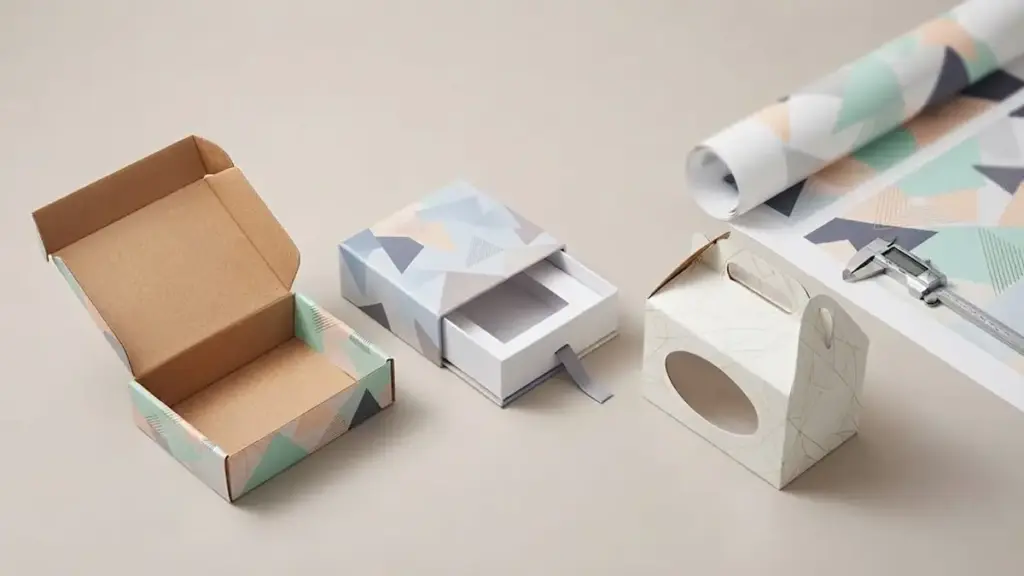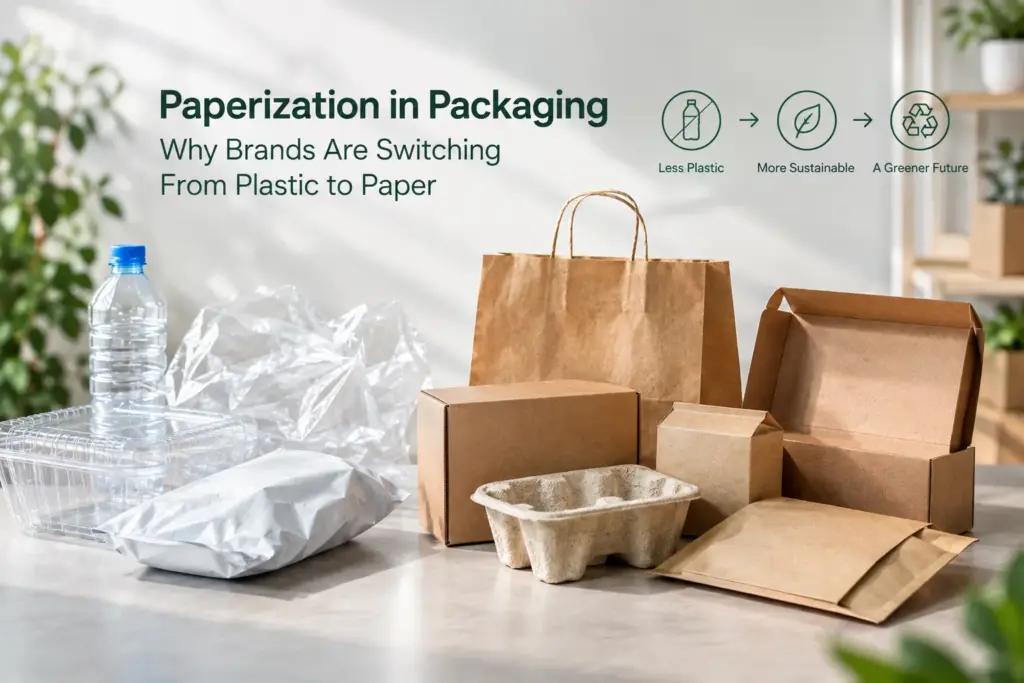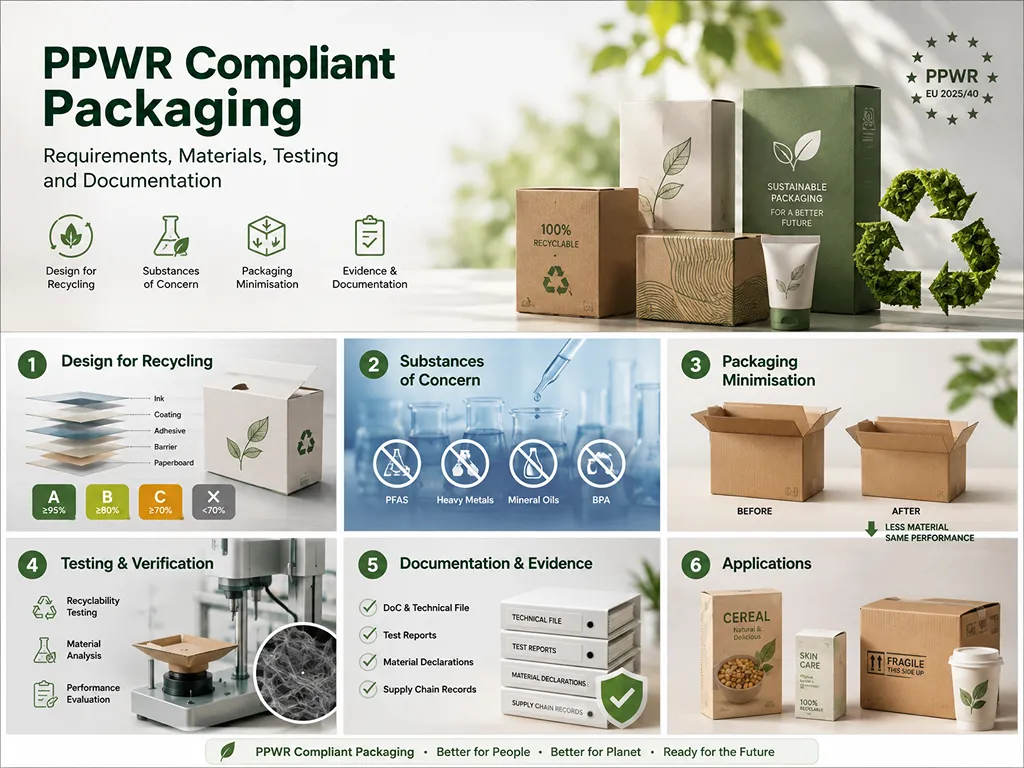
A practical cosmetic packaging cost reduction strategy can help brands protect margins as material and shipping costs rise. Reviewing packaging structure, production volumes, options de finition, and shipping dimensions can reduce avoidable costs before a large production run begins.
This guide looks at practical ways to lower packaging costs, including standard components, packaging right-sizing, tooling, finition, order volumes, et expédition. The goal is to identify cost savings that can be applied without reducing packaging quality or protection.
Why Cosmetic Packaging Costs Keep Increasing

Compounding raw material spikes, energy volatility, and strict environmental mandates are squeezing beauty margins, forcing brands to optimize packaging structures to protect bottom-line profitability.
Global manufacturing pressures hit beauty packaging margins from multiple sides. Every stage of the container production cycle now carries a higher operational cost.
Raw Material Inflation and Rising Manufacturing Costs
Industrial supply chains face escalating cost baselines. Factories must pass these expenses down to beauty brands to maintain their own operating margins:
- Primary Material Spikes: Changes in paper and paperboard prices directly affect the cost of cartons pliants, boîtes rigides, inserts, and other paper-based cosmetic packaging.
- Energy Volatility: Energy and production costs can also affect paperboard converting, impression, revêtement, découpe, and other finishing processes.
- Labor Constraints: Labor shortages and higher wages in packaging assembly, decorating, and filling facilities increase manufacturing overhead.
- Trade Obstacles: Tarifs, transportation costs, and changes in international trade conditions can increase the landed cost of imported paperboard, packaging materials, and related components.
Procurement teams cannot easily absorb these compounding factory-floor spikes. Managing these raw expense drivers requires a calculated pivot toward stock format standardization and production batch optimization.
Conformité réglementaire, Sustainable Formats, and Customization Demands
The push for retail shelf differentiation and green mandates has created a structural cost floor. Brands pay a premium to comply with new standards and custom consumer expectations:
- Paperboard Material Choices: Carton recyclé, Papier certifié FSC, and other fiber-based materials can support sustainability goals. Cependant, coatings and laminations should also be considered because some plastic-based barriers can affect recyclability.
- Conformité & Inks: Stricter environmental packaging regulations require brands to invest in compliant inks, adhesives, and third-party claims validation.
- Tooling & Personnalisation: Custom structural designs, cutting dies, special finishing tools, and complex decorative processes can increase development costs, especially for low-volume packaging runs.
- Accomplissement & Logistique: Fragile glass formats and bulky e-commerce secondary packaging trigger higher protective fulfillment and dimensional weight shipping charges.
These hidden downstream expenses make a package’s initial unit price highly misleading. Designing for minimum viable material and logistics efficiency is the only path to offsetting regulatory margins.
Understanding the True Cost of Cosmetic Packaging
True packaging cost spans far beyond the initial component quote; hidden freight, stockage, and tooling amortization frequently dictate your actual bottom-line margin.
Hidden Expenses in the Packaging Value Chain
Most brands evaluate suppliers solely on the quoted cosmetic packaging price. This narrow view ignores downstream supply chain leakages that quietly erode your product margins.
- Unbundled bill of materials: Separate packaging costs into independent bulk, primary, secondaire, and labor components to analyze where every dollar actually goes.
- Dimensional weight and freight impact: Shipping inefficiencies, poor pallet density, and high transit damage rates can quickly double your landed distribution costs.
- Tooling and setup amortization: Prepare an accurate packaging dieline early to reduce structural errors, prototyping issues, and unnecessary setup costs.
- Inventory carrying charges: High minimum order quantities (MOQ) tie up capital and incur substantial storage fees for slow-moving stock.
Standardization Methods to Lower Total Unit Expenses
Standardizing your component portfolio reduces backend operational complexity while protecting visual identity on the retail shelf.
- Shared component platforms: Use a single bottle silhouette with a uniform neck finish across multiple product sizes to pool component orders.
- Stock component selection: Prioritize off-the-shelf packaging options to bypass custom engineering charges and expensive mold investments.
- Simplified decoration profiles: Limit print colors and choose standard wrap labels over complex, multi-layered custom finishes to keep unit costs low.
- Material cost benchmarking: Compare paperboard grades, thicknesses, contenu recyclé, and finishing requirements to identify the best balance of cost, apparence, et performances de l'emballage.
Cost-Efficient Custom Packaging Built to Scale
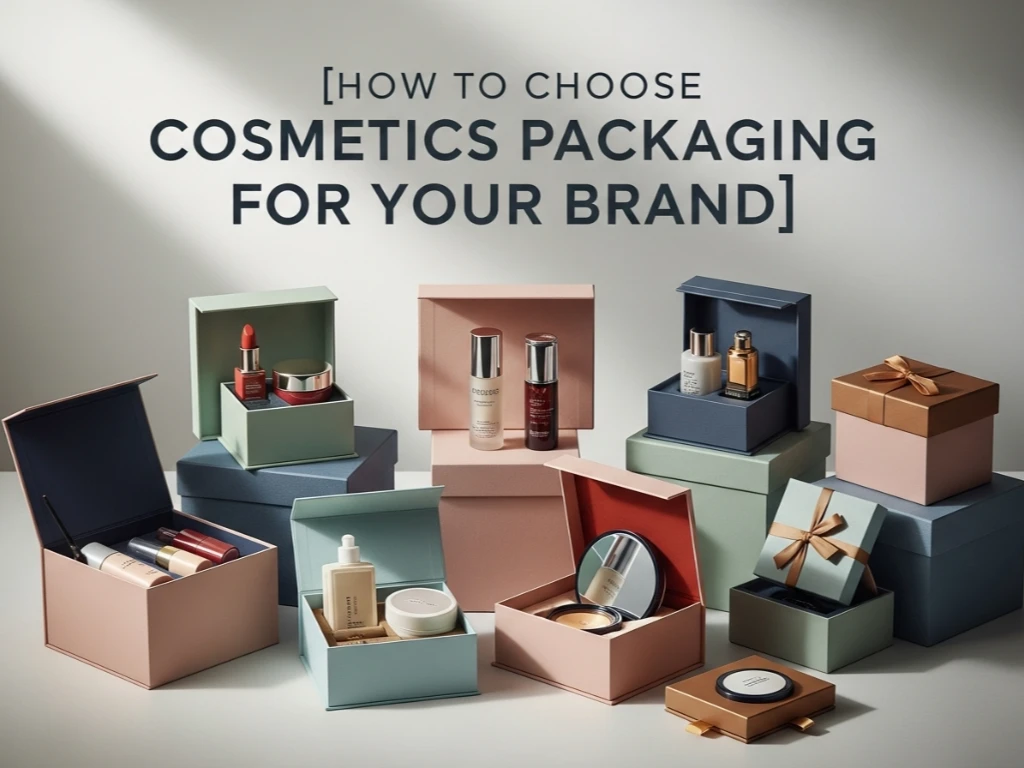
Standardizing Cosmetic Packaging for Lower Costs
Standardizing cosmetic packaging structures can reduce SKU complexity, improve purchasing efficiency, and create opportunities for better volume pricing without changing the product itself.
Packaging costs can increase quickly when every new product uses a different box size, structure, matériel, or finishing method. To protect margins, we must establish a controlled library of reusable components that serve multiple product lines.
Cosmetic Packaging Components Worth Standardizing
Focus on the packaging elements where standardization can have the greatest impact on material use, tooling, production efficiency, et expédition.
- Folding Carton Structures: Standardize proven box styles and dimensions across compatible SKUs to simplify production and control material costs.
- Paper Inserts and Internal Components: Standardize insert dimensions and folding structures where possible so the same construction can be adapted across multiple cosmetic products.
- Downstream Packaging Logistics: Align secondary folding carton footprints and master shipping case sizes. Consistent carton dimensions improve pallet density and eliminate dimensional weight surcharges from parcel carriers.
How to Standardize Cosmetic Packaging Across SKUs
Not every cosmetic product can use the same box structure. Product size, forme de bouteille, poids, protection requirements, and presentation goals may require a different carton or insert design.
To manage these exceptions, we run a scoring matrix alongside a structured transition model to integrate shared standards into production.
- Standardization Scoring Matrix: Classify SKUs by how easily their carton dimensions, constructions, inserts, matériels, and finishing methods can be shared. High-scoring SKUs can use similar box structures and material specifications, while lower-scoring SKUs may require dedicated designs because of product size, poids, protection requirements, or presentation needs.
- Operational Blueprint: Start by reviewing existing box structures, tailles, matériels, and finishing methods. Identify designs that can be reused across multiple products, then standardize the specifications and discuss the changes with your packaging supplier before production.
Right-Sizing Cosmetic Packaging for Lower Material and Freight Costs
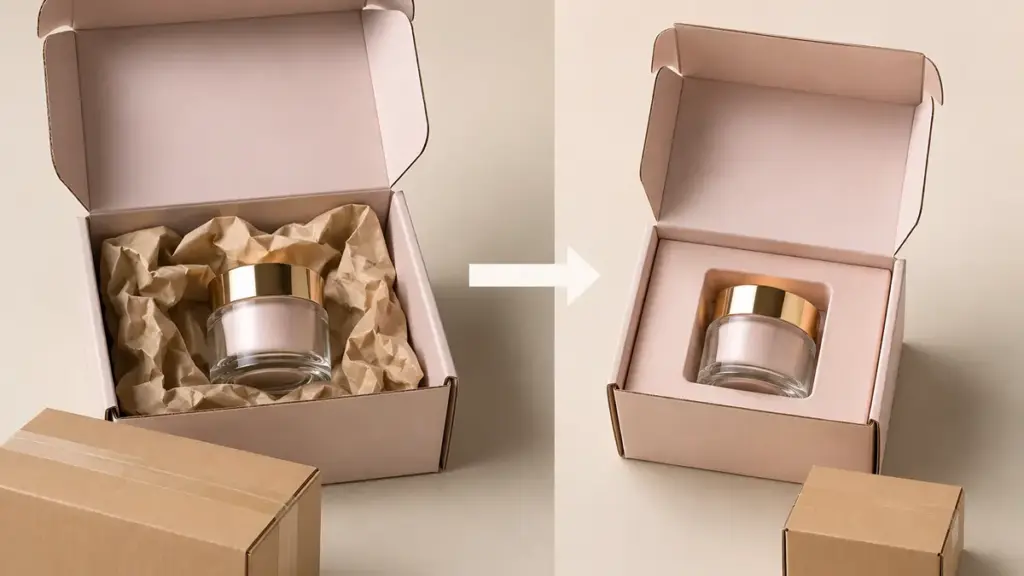
Excess packaging volume can increase material use, storage requirements, and dimensional-weight shipping costs. Right-sizing shipping cartons can reduce material use and help lower dimensional-weight charges, particularly when lightweight products are shipped in oversized cartons.
How Right-Sizing Reduces Packaging and Freight Costs
Oversized shipping configurations inflate landed costs through wasted packaging material and carrier dimensional-weight penalties. Removing excess volume from secondary packaging stabilizes margins without altering the primary formula container.
- Material Efficiency: Reducing unnecessary carton volume can lower paper and corrugated material use while also reducing empty space during shipping.
- Freight Cost Reductions: Smaller and more efficient package dimensions can reduce dimensional-weight charges when the shipping carrier bills based on package volume.
- Pallet Density: Optimizing secondary pack dimensions increases overall pallet density, which reduces bulk transportation expenses and optimizes storage space in the warehouse.
Testing Right-Sized Cosmetic Packaging Before Production
Shrinking shipping footprints requires a systematic transition from guess-and-check pack-outs to data-driven container selection and rigorous structural validation.
- 3D Cartonization Software: Use the product dimensions and finished packaging specifications to test different carton sizes before production. This helps reduce unnecessary empty space while maintaining enough room for protection and handling.
- Transit Testing Protocols: Running appropriate drop, vibration, and compression tests can help verify whether a smaller packaging configuration still provides adequate protection during shipping and handling.
- Shipping Data Audits: Analyzing outbound shipping metrics helps brands standardize a smaller set of highly optimized box sizes, streamlining procurement and warehouse packing speed.
Reducing Cosmetic Packaging Costs Through Smarter Finishes
Stacking multiple premium finishes drives up unit costs and reject rates. Choosing one hero finish preserves margin without sacrificing retail shelf impact.
Which Packaging Finishes Increase Costs?
Layering multiple decorative coatings on a single secondary carton creates a compounding cost structure. Each additional process introduces mechanical complexity and raises the baseline pricing of your packaging.
- Cost impact of multiple finishes: Adding foil, gaufrage, tache UV, or special coatings increases the number of production steps and may require additional tooling or setup. Using several finishes on one carton can significantly increase the overall packaging cost.
- Foil and embossing costs: Foil stamping and embossing can add to both tooling and production costs, with the final impact depending on the design, coverage area, matériel, and order quantity.
- Complexity and production risk: Layering soft-touch lamination, tache UV, and foil together raises reject rates, slows manufacturing lead times, and increases minimum order quantities.
When factories pass setup costs and scrap margins to the brand, over-decorated packaging quickly erodes product margins. Simplifying the decoration process stabilizes production runs and lowers unit costs.
The One Hero Finish Strategy for Shelf Impact
Brands can maintain a luxury perception without paying for redundant physical processes. By focusing on a single, high-contrast visual element, you preserve retail shelf presence while stripping out unnecessary cost layers.
- The single focal point rule: Choose one high-impact finish, like a foil-stamped brand logo, and leave the rest of the packaging clean.
- Strategic placement criteria: Remove any decorative element that remains invisible from a standard retail shelf distance of three feet or duplicates an existing tactile effect.
- Graphic alternatives: Use high-contrast color palettes, clean layouts, and crisp typography to sustain premium brand perception without physical coatings.
Minimalist design often commands higher perceived value on the shelf. Stripping away decorative clutter allows the remaining hero finish to stand out and reduces overall procurement complexity.
Standard vs. Custom Cosmetic Packaging: Which Costs Less?
Stock components eliminate upfront mold fees and slash launch timelines, while custom tooling only pays off when scaling past proven volume thresholds.
Metric Standard Carton Structure Custom Carton Structure Structural Tooling Lower or reused die cost New cutting die may be required MOQ Lower for standard specifications Often higher depending on supplier Délai de mise en œuvre Usually shorter Longer when new development is required Design Cost Inférieur Higher due to structural development Idéal pour New launches and smaller runs Distinctive structures and established products
Cost and Lead Time: Standard vs. Custom Packaging
Launching a cosmetic product requires careful planning of packaging costs, order volumes, tooling, and cash flow. Choosing between stock components and custom tooling dictates your cash flow runway and margins. Brands should evaluate expected production volume and repeat orders before investing in a fully custom packaging structure.
- Upfront tooling investments: Standard paper packaging structures can reduce the need for new structural development and tooling, while custom box designs may require additional die, prototype, and finishing setup costs.
- Production minimums and turnaround: Standard packaging structures generally involve less development work and can move into production faster, while highly customized structures usually require additional sampling, tooling, and approval before mass production.
- Amortization and crossover thresholds: Custom tooling becomes easier to justify when the same structure will be reused across larger or repeat production runs, allowing one-time development costs to be spread across more units.
Focus on stock formats during the validation phase to preserve capital, then transition to custom builds once repeat demand guarantees a return on the tooling assets.
Sourcing Strategies for Lower Cosmetic Packaging Costs
You do not have to settle for generic looks to save money. Procurement teams can bypass high development costs by applying smart styling frameworks to standard components. This maintains brand distinction without triggering mold manufacturing fees.
- Hybrid semi-custom sourcing: Use standard carton structures with customized printing or finishing when possible. This can reduce structural development work while still giving the brand room to create a distinctive appearance.
- Structural standardization: Reuse proven carton structures, common footprints, insert formats, and material specifications across multiple SKUs where the products allow it.
- Unbundled tooling negotiations: Force suppliers to separate one-time tooling costs from per-unit pricing to prevent hidden amortization markups.
- Flexible decoration alternatives: Avoid custom colored molds by utilizing labels, shrink sleeves, or digital printing over standard stock packages.
These methods let you bypass custom mold delays and high setup fees while achieving strong shelf presence on a tight budget.
A Cost-Conscious Packaging Partner for Cosmetic Brands
For brands looking to reduce cosmetic packaging costs without giving up a premium presentation, Packccp combines cost-conscious sourcing with fully customized paper packaging. Its engineering team brings around 20 years of packaging experience and supports structural design, sélection des matériaux, impression, finition, and accessory customization. Production is completed in-house, with more than 80% of the manufacturing process automated, helping maintain consistent quality and production efficiency. PackCCP also supports both standard and fully customized structures, allowing brands to simplify designs when cost is the priority while keeping room for distinctive finishes and presentation details. Samples can be produced in as little as 3–7 days, while bulk production can be completed within about 15 days depending on the project. With a reported product pass rate above 98%, real-time project updates, and global customer support responding within two hours, PackCCP gives brands a practical way to balance packaging cost, qualité, personnalisation, and production timing.
How MOQ and Supplier Strategy Affect Cosmetic Packaging Costs
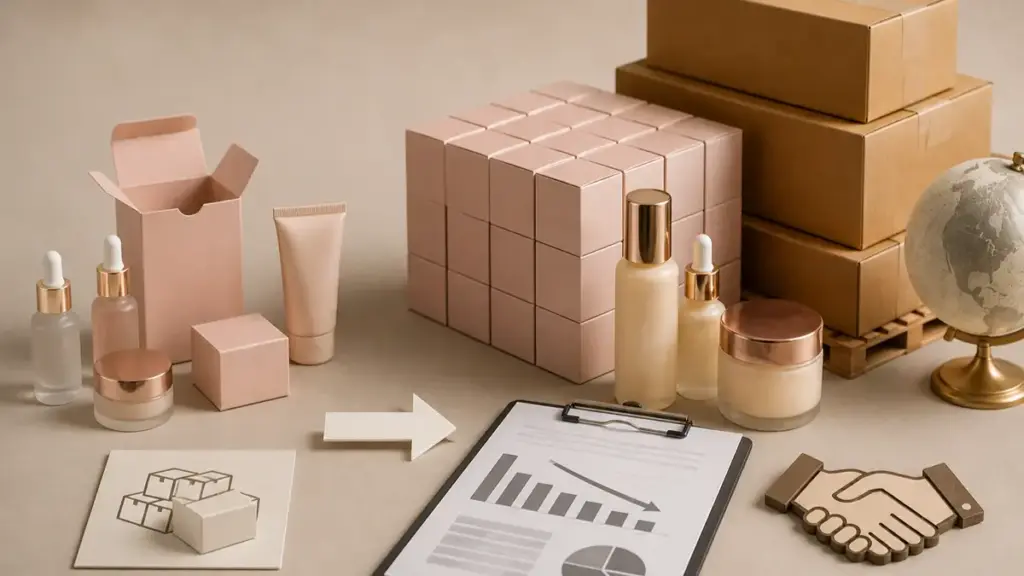
Standardizing packaging components and restructuring purchase commitments allows beauty brands to slash upfront tooling costs and drop MOQ thresholds by up to 90%.
Most beauty brands bleed margin on custom molds and over-decorated components. Prioritizing backend standardization is the fastest way to drop overhead without sacrificing shelf impact.
Using Standard Packaging Structures to Lower Costs
- Tooling Cost Savings: Using a standard carton structure instead of developing a completely new box can reduce structural development and tooling costs, while also shortening the setup process for smaller production runs.
- SKU Consolidation: Consolidating carton structures, insert formats, paperboard specifications, and finishing methods across product lines can reduce inventory complexity and pool purchasing volume.
- Late-Stage Customization: Postponing customization with digital labels or sleeves instead of direct printing enables viable small-batch runs of 250 à 1,000 unités.
Sourcing is a commercial negotiation, not just a price-per-unit game. Suppliers require operational predictability. Restructuring how you commit to volume and time your runs encourages vendors to lower your MOQ barriers.
Negotiating Better Cosmetic Packaging Costs With Suppliers
- Strategic Negotiation Levers: Secure lower minimums by offering blanket purchase orders, paying tooling costs upfront, or accepting temporary low-volume surcharges.
- Unbundled Bills of Materials (BOM): Request unbundled bills of materials to separate paperboard, impression, finition, tooling, converting, emballage, and logistics costs.
- Off-Peak Production: Where production schedules allow, discuss off-peak runs with suppliers to improve scheduling flexibility and potentially reduce setup or production pressure.
Reducing Cosmetic Packaging Costs Without Sacrificing Brand Value
Smart cosmetic packaging cost reduction targets structural waste and procurement timing, keeping the customer-facing premium experience intact while reducing avoidable unit costs.
Lowering Cosmetic Packaging Costs Through Better Structure
Custom tooling and unique dimensions drain cosmetic margins before a single unit ships. Standardizing the structural bones of your product line stops this leakage.
- Standard and Custom Carton Structures: Prioritize proven carton structures and standard paperboard specifications when possible. This reduces structural development and avoids unnecessary tooling costs during the early stages of a product launch.
- SKU Consolidation: Consolidate your line around shared carton structures, insert formats, paperboard specifications, and finishing methods where possible.
- Substrate Substitutions: Swap heavy, expensive rigid boxes for premium soft-touch folding cartons to preserve tactile luxury at a fraction of the cost.
- Volumetric Right-Sizing: Tailor your secondary and tertiary cartons to the actual product dimensions to eliminate costly dimensional weight penalties.
This structural discipline keeps product lines cohesive and visually aligned on retail shelves while dramatically reducing your initial capital exposure.
Choosing Finishes That Protect Packaging Costs and Brand Value
Premium perception does not require stacking every finish in the catalog. Smart sourcing and focused decoration protect margins without making the brand look cheap.
- Single Hero Finishes: Pick one high-impact effect, like spot UV or hot foil stamping, and keep the rest of the package clean.
- Unbundled Bills of Materials: Ask suppliers to separate paperboard, impression, finition, tooling, converting, emballage, and logistics costs so you can audit each cost driver.
- Quarterly Order Batching: Move from monthly ordering to larger, quarterly runs to secure steep volume price breaks for critical product lines.
- Minimalist Typography: Rely on clean layouts, high contrast, and disciplined ink coverage to scale back printing costs while maintaining a premium retail presence.
Isolating your sourcing variables makes supplier negotiations highly transactional, shifting the leverage back to your brand during yearly reviews.
Cosmetic Packaging Cost Reduction Checklist
Standardizing core components and right-sizing outer cartons eliminates upfront tooling fees and shipping surcharges, cutting overall packaging expenses by up to forty percent without downgrading brand value.
Component Standardization and Design Simplification
Custom packaging often drains cash through high mold fees and small production runs. Sourcing teams protect margins and maintain a high-end visual presence on the shelf by transitioning to standard platforms.
- Standard Structures: Use proven carton structures instead of developing a completely new box for every SKU when the product requirements allow it.
- Platform Sharing: Standardize carton footprints, insert formats, and common structural elements across SKUs to pool order volumes.
- Tooling Consolidation: Keep die tooling uniform across product lines to avoid paying for multiple custom size setups.
- Selective Decoration: Limit complex visual treatments by choosing spot UV accents instead of full-surface premium foils or lamination.
- Cartons pliants: Replace high-cost rigid boxes with premium soft-touch folding cartons to preserve retail appeal at a lower price point.
- Ink Optimization: Apply two-color printing or print directly on colored stock to bypass expensive full-coverage CMYK processes.
Keep one visual hero on your carton, such as a single foil logo or a tactile spot UV finish, and leave the rest of the layout clean. Minimalist designs look highly intentional and significantly lower your unit production costs.
Supply Chain and Dimension Optimization for Lower Packaging Costs
Carrier fees quietly destroy margins when you ship empty space. Managing packaging dimensions and supplier terms directly influences your actual landed cost per unit.
- Landed-Cost Mapping: Track every component from the factory to the warehouse to capture freight, entreposage, and 3PL fees.
- Unbundled BOMs: Request line-item transparency from suppliers to separate the costs of bulk formula, conditionnement, remplissage, and labor.
- Carton Right-Sizing: Run dimensional weight (DIM) checks on every SKU to eliminate carrier surcharges caused by shipping empty space.
- Order Batching: Increase order volumes and reduce purchasing frequency to unlock better tiered pricing and lower setup costs.
- Retail Benchmarking: Compare packaging cost with product price, positioning, and target margin rather than relying on a single percentage benchmark.
- Supplier Consolidation: Secure long-term agreements with fewer vendors to eliminate broker margins and guarantee pricing stability.
Evaluate supplier quotes based on the final delivered price, not the ex-factory unit cost. Heavy components like glass might seem cheap on paper but quickly become expensive once you calculate the actual shipping and breakage rates.
Cosmetic Packaging Cost Reduction FAQs
How can I reduce cosmetic packaging costs?
You can reduce cosmetic packaging costs by standardizing components across your SKU lineup, switching from custom molds to stock components, and lightweighting your containers. Choosing a lighter paperboard grade or reducing unnecessary box volume can lower material use and shipping costs when product protection remains sufficient. Simplifying decoration—such as using standard rectangular labels instead of custom die-cuts and limiting your print colors—also yields fast savings. Enfin, consolidate your secondary packaging by removing non-essential cartons or inserts.
What affects cosmetic packaging cost the most?
For paper-based cosmetic packaging, major cost drivers typically include paperboard grade and size, material usage, printing and finishing, structural complexity, order volume, tooling, et expédition. Beyond material choice, custom tooling or mold development represents the largest upfront fixed cost. Order volume (MOQ), decoration and finishing complexity, and logistics or shipping weight (especially for glass) also heavily influence the final landed unit price.
Is custom cosmetic packaging expensive?
Custom cosmetic packaging does not always have to be expensive. Costs increase when packaging requires unique structures, premium paperboard, complex printing, multiple finishing processes, or additional tooling and sampling. For brands focused on cosmetic packaging cost reduction, using proven box structures, standardizing materials, and ordering larger quantities can help lower the unit cost while maintaining a premium appearance.
Should I use a standard carton structure?
Standard carton structures are often a practical choice for early-stage launches or smaller-volume products because they reduce structural development and tooling requirements. Brands can still create differentiation through paperboard selection, impression, inserts, and selective finishing.
How do minimum order quantities (MOQ) affect pricing?
MOQs dictate how suppliers amortize fixed production setup, tooling, and labor costs. Larger order volumes spread these fixed expenses over more pieces, which lowers the per-unit price and unlocks tiered volume discounts. Low-volume orders force the factory to cover setup overhead across fewer units, which can double or triple the per-unit cost or trigger below-minimum premiums.
Which finishes add the most cost?
Multi-step specialty finishes such as foil combined with embossing, raised spot UV, laminage doux au toucher, and large-area metallic effects generally add more cost than a single, localized finish. The actual impact depends on coverage, tooling, matériels, production volume, and supplier capabilities.
Can I reduce packaging costs without changing quality?
Oui. You can maintain premium shelf appeal and adequate product protection while reducing packaging costs by focusing on efficient structures, sélection des matériaux, finition, and procurement. Practical steps include using standard packaging structures with premium decoration, sharing carton structures, insert formats, or paperboard specifications across multiple SKUs, optimizing paperboard thickness, and consolidating your supplier base. Consolidating orders can improve purchasing efficiency and may help brands qualify for better volume pricing or reduce repeated setup and shipping costs.
How do I lower shipping and logistics costs?
Right-size your outer cartons and mailers to minimize empty space and lower your billable dimensional (DIM) poids. Transitioning durable products from rigid boxes to lightweight padded mailers reduces both material weight and transit volume. Standardizing your box sizes, increasing packing density, and placing inventory closer to major customer regions will also lower shipping expenses.
When is custom tooling worthwhile?
Custom tooling is worthwhile when a unique box structure will be used repeatedly or across multiple products, making the development and tooling costs easier to spread across production runs. It can also make sense when a standard carton structure cannot meet specific requirements for product protection, internal fit, opening experience, or brand presentation. For smaller or one-time orders, a proven standard structure is often a more cost-effective option.
Pensées finales
Reducing packaging costs must not compromise your brand’s shelf presence or structural integrity. Choosing the lowest-priced packaging option is not always the best way to reduce total cost. Standard structures, efficient material use, and selective finishing can lower packaging costs while maintaining the appearance and protection your product requires. Implementing this disciplined sourcing framework ensures your packaging remains premium while driving down unit expenses.
Do not risk your next product run on unproven packaging specifications. We recommend requesting a sample kit to evaluate paperboard grades, structures en boîte, inserts, impression, and finishing options before committing to a large production run. Contact our packaging team to review your SKU requirements and identify cost-efficient structures for your products.