Understanding how to choose a cosmetic packaging supplier in China is critical for protecting your product margins and speed-to-market. Sourcing without a rigorous supplier validation process can lead to inconsistent print quality, structural failures, delayed production, and packaging that fails to represent your brand image.
This analysis benchmarks direct manufacturers against trading intermediaries to protect your supply chain. We evaluate manufacturing capabilities, fornecimento de materiais, printing quality control, and sustainability certifications to help you secure a reliable cosmetic packaging partner in China.
Why Choose Cosmetic Packaging Suppliers in China
China has become one of the world’s largest cosmetic packaging manufacturing hubs, supported by mature supply chains, recursos avançados de impressão, and flexible customization options.
Sourcing cosmetic packaging directly from China can improve cost efficiency, opções de personalização, and production flexibility for beauty brands. Moving production to China immediately taps into a highly concentrated, mature manufacturing base built specifically for export volume.
Cost Advantages and Supply Chain Capabilities
The sheer density of Chinese industrial clusters creates raw material and logistical efficiencies that regional Western suppliers cannot match. By integrating paper sourcing, projeto estrutural, impressão, acabamento, and assembly, Chinese packaging manufacturers can reduce production complexity and improve efficiency.
- Massive Industrial Scale: Major manufacturing regions in China provide mature supply chains for paper materials, impressão, acabamento, and customized packaging production.
- Direct Cost Reductions: Chinese packaging manufacturers often provide competitive pricing because of established paper supply chains, large-scale production capacity, and integrated printing ecosystems.
- Vertical Integration: Experienced paper packaging manufacturers can integrate structural design, seleção de materiais, impressão, acabamento superficial, corte e vinco, and final assembly within one production workflow.
- Low-MOQ Flexibility: Specialized sourcing hubs like Yiwu offer low-minimum options, allowing startup and niche beauty brands to launch collections without massive upfront capital.
Personalização, Materiais, and Supplier Standards
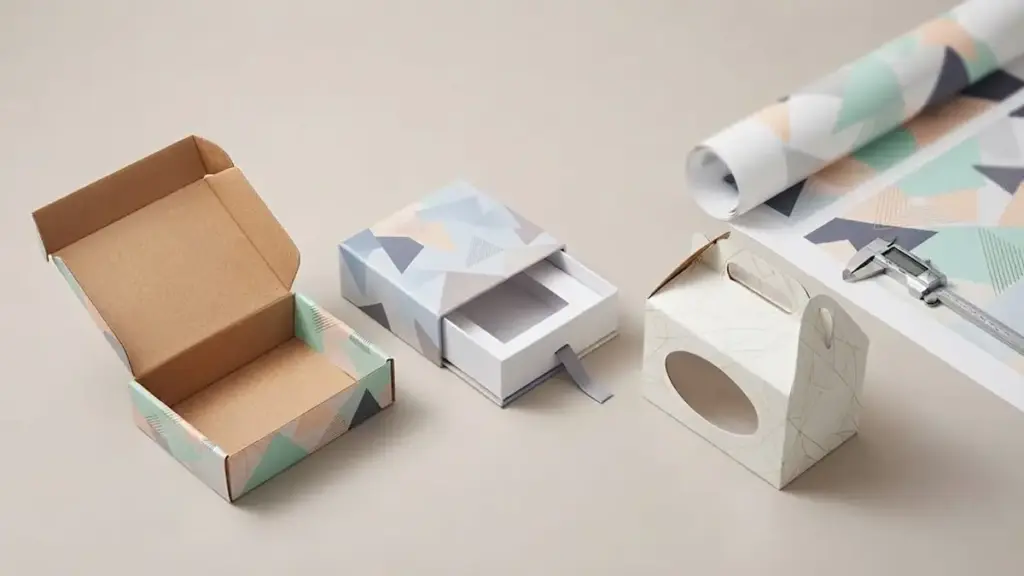
Customization defines brand identity on the retail shelf. Modern Chinese paper packaging manufacturers have developed advanced structural design, impressão, and finishing capabilities that allow brands to create differentiated custom cosmetic packaging solutions.
- Advanced Finishing: Factories provide surface treatments such as UV coating, gravação em relevo, estampagem de folha, laminação, and specialty finishes to create premium packaging effects.
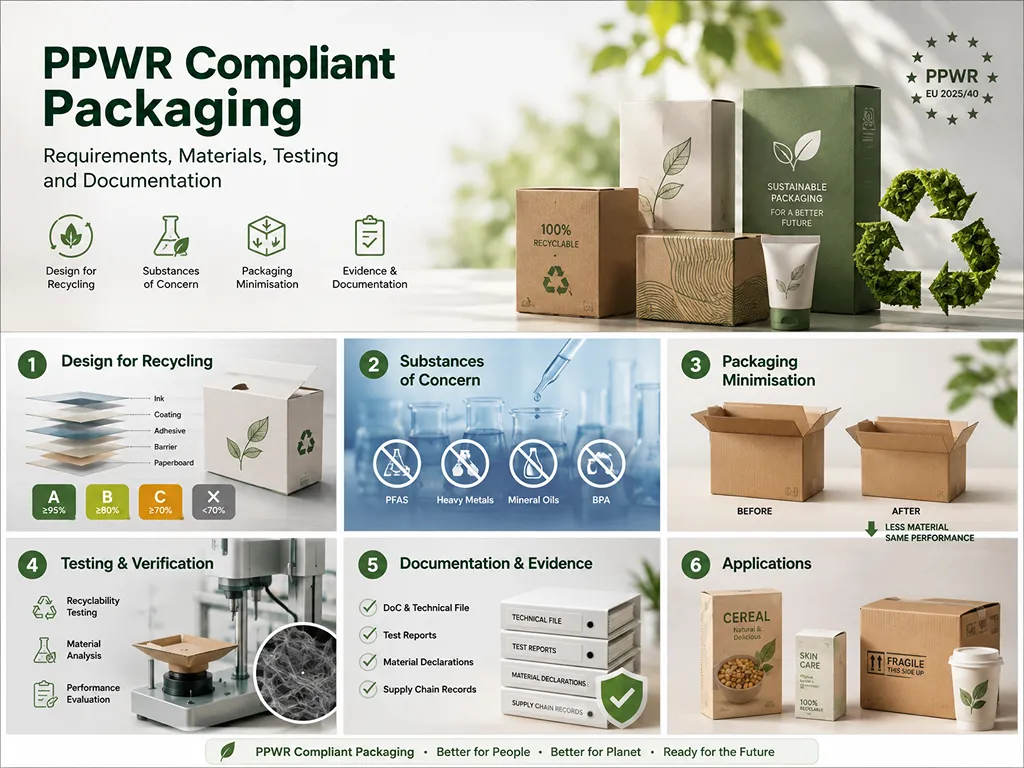
- Certified Global Standards: Export-oriented manufacturers strictly comply with international regulations, including FDA requirements, EU Regulation No 1223/2009, and ISO 22715 non-toxicity metrics.
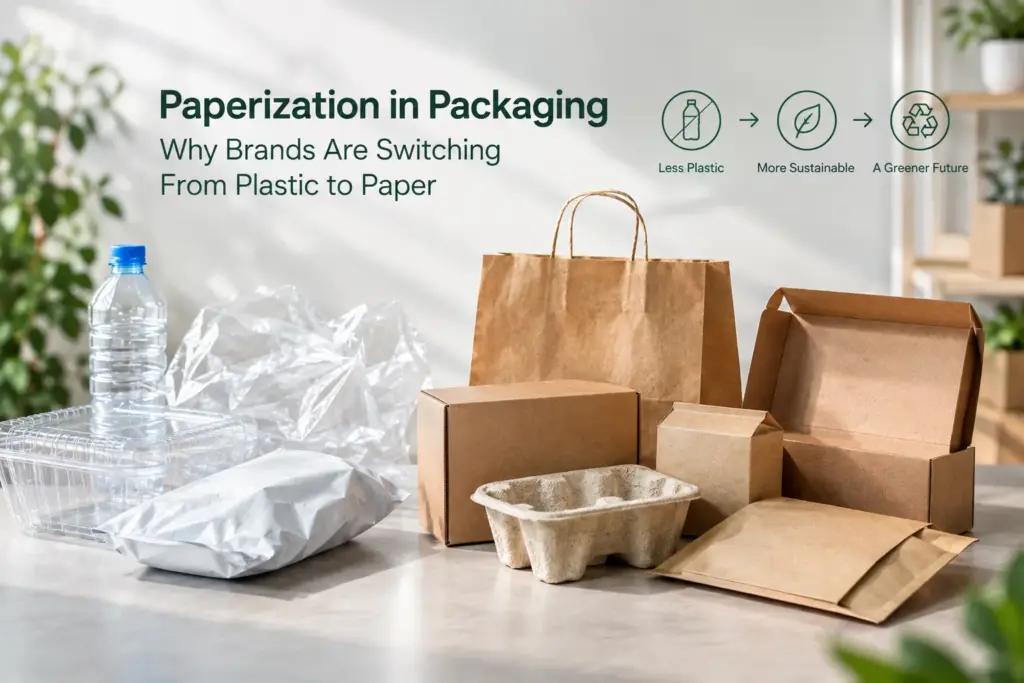
- Green Materials: Suppliers provide sustainable cosmetic packaging options, including FSC-certified paper, recycled paper materials, and responsibly sourced packaging boards.
- On-Site Technical R&D: Dedicated engineering teams support brands directly with rapid 3D prototyping, formula-packaging compatibility testing, and complete material safety data sheets.
Cosmetic Packaging Manufacturer vs Trading Company
Buying direct from Chinese factories secures the lowest unit prices and custom tool control, while trading companies offset high MOQs by consolidating smaller, multi-SKU orders.
Sourcing cosmetic packaging in China requires a clear decision between direct factories and intermediaries. This structural choice dictates your capital allocation, product differentiation, and physical control over the production run.
Key Trade-offs in Pricing, Quantidade mínima, and Technical Control
Each supplier type operates under a different commercial model, affecting your upfront cash flow and design options:
- Minimum Order Quantities (MOQ): Manufacturers require high thresholds, often 5,000 para 20,000 unidades, to offset machine setup and mold changes. Trading companies aggregate smaller orders to provide lower minimum entries.
- Cost Structures and Unit Pricing: Purchasing directly from factories secures the lowest ex-factory pricing. Trading companies add service margins that increase unit costs but reduce the total upfront capital needed.
- Customization and Tooling Capabilities: Manufacturers directly manage custom mold design, physical material adjustments, and complex decorations. Trading companies mostly rely on adapting existing stock molds.
Direct manufacturer relationships suit brands with established, high-volume hero SKUs. Emerging brands testing the market with multiple colorways often find trading companies more practical for initial runs.
Operational Verification and Sourcing Frameworks
Paper credentials in China can confuse buyers. Intermediaries often present themselves as direct factories, meaning brands must actively verify supplier identities to manage quality risk.
- Verification Methods for Supplier Types: Review business licenses for manufacturing versus trading terminology. Audit physical factory locations, and verify if the supplier’s name matches the quality certificates.
- Strategic Sourcing Guidelines: Choose direct manufacturer relationships for high-volume, proprietary packaging lines. Utilize trading companies for diverse, low-volume, or seasonal cosmetic SKUs.
- Quality Control and Risk Management: Direct manufacturers usually provide better control over material selection, printing processes, production scheduling, and quality inspections. Trading companies offer multi-factory consolidation and external third-party inspection services.
Matching your SKU volume and customization needs to the right partner prevents quality failures. Always run physical verification checks before signing contracts or wire transferring deposits.
Premium Custom Packaging Built to Scale

Supplier Certifications and Compliance Requirements
Sourcing cosmetic paper packaging from China requires careful verification of supplier capabilities, material certifications, quality management systems, and production consistency to avoid delays and quality issues.
Essential Quality and Sustainability Standards for Cosmetic Paper Packaging Suppliers
Reliable paper packaging suppliers should demonstrate consistent manufacturing processes, responsible material sourcing, and documented quality control systems. These standards help brands reduce production risks and maintain packaging consistency across large orders.
- Material Traceability and Testing Documents: We confirm suppliers can provide relevant material documentation, including paper specifications, ink information, and testing reports to ensure packaging materials meet customer requirements.kets.
- FSC-Certified Paper Packaging Materials: We verify whether suppliers can provide FSC-certified paper materials with traceable sourcing records, helping brands meet sustainability requirements and responsible forestry standards. Learn more about FSC standards for paper and packaging.
- ISO 9001 Quality Management System: We review whether suppliers operate standardized quality control processes covering raw material inspection, production monitoring, defect management, and final product inspection.
- Environmental Management Certifications: Evaluate whether suppliers have relevant environmental management systems and sustainable production practices.
- BSCI / SMETA Social Compliance Audits: We assess whether suppliers maintain responsible workplace practices, ethical labor standards, and transparent supply chain management.
Material Quality, Printing Control, and Production Documentation Requirements
For cosmetic paper packaging, quality depends on material selection, precisão de impressão, structural strength, and production consistency. Brands should review supplier documentation before approving mass production.
- Production and Quality Records: We verify inspection records, production tracking systems, and final quality reports to ensure every batch meets approved specifications.ves.
- Paper Material Specifications: We confirm paper type, grossura, peso, coating requirements, and sustainability documentation to ensure materials match the packaging design requirements.
- Printing Quality Control: We evaluate suppliers’ ability to maintain consistent colors, precisão de impressão, and finishing quality through standardized inspection procedures.
- Surface Finishing Verification: We check coating, laminação, gravação em relevo, estampagem de folha, Impressão UV, and other finishing processes to ensure the final packaging meets brand expectations.
- Teste Estrutural: We review packaging strength, folding accuracy, opening performance, and assembly quality to prevent deformation or damage during transportation.
Cosmetic Packaging Supplier Audit Checklist
This structured checklist helps brands identify reliable cosmetic packaging manufacturers in China by evaluating production capability, material management, qualidade de impressão, and quality control systems through a proper factory audit.
Audit Area Key Verification Check Acceptable Standard Critical Failure Trigger Factory Legitimacy Business license and production capability verification Registered business scope matches packaging manufacturing, impressão, or related production activities. Company operates only as a trading intermediary but claims to be a direct manufacturer. Production Capability Printing equipment, finishing equipment, and production workflow Factory owns or manages key production processes including printing, revestimento, corte e vinco, and assembly. Supplier cannot explain production steps or relies heavily on unknown subcontractors. Material Management Paper sourcing, material storage, and supplier management Uses stable paper suppliers and can provide material specifications and sustainability documentation. Unable to provide basic material information or inconsistent paper quality between orders. Printing Quality Control Color accuracy, inspeção de impressão, and finishing checks Uses standardized color management, sample approval processes, and inspection procedures. Significant differences between approved samples and mass production. Gestão da Qualidade In-process inspection and final product inspection Performs quality checks throughout production and before shipment. No documented inspection process or cannot provide quality records.
Pre-Audit Verification and Production Capability Assessment
Before signing a contract, brands should verify the supplier’s registration information, capacidades de produção, and manufacturing processes. This helps identify whether the supplier is a genuine manufacturer or only a trading intermediary.
- Business Registration Check: Verify the supplier’s business license and registered business scope to confirm they are involved in packaging manufacturing or printing-related production. Companies listed only as trading businesses may not have direct control over production quality and delivery schedules.
- Workshop Management and Production Environment: Evaluate whether the factory maintains an organized production environment with proper material storage, clean printing areas, and controlled workflows. A well-managed workshop helps reduce defects caused by dust, handling errors, or improper storage.
- Equipment and Production Capacity: Review the factory’s printing machines, finishing equipment, and production capacity to confirm whether they can support your order volume. Understanding internal production capabilities helps prevent unexpected delays caused by excessive outsourcing.
- Production Team Experience: Evaluate the factory’s workforce experience, technical skills, and ability to handle customized packaging projects. Experienced teams can better manage complex structures, requisitos de impressão, and finishing processes.
Quality Control Systems, Material Management, and Production Consistency
A well-organized production environment must be supported by consistent quality control procedures. Suppliers should demonstrate how they manage incoming materials, production inspections, and final product checks before shipment.
- Material and Production Traceability: The factory should maintain records of paper materials, production batches, and quality inspections so issues can be identified and resolved quickly.
- Paper Material and Sustainability Documentation: Verify whether suppliers can provide information about paper materials, conteúdo reciclado, FSC certification, or other sustainability-related documentation when required.
- In-Process Quality Inspection: Confirm that the factory performs inspections during printing, revestimento, corte e vinco, and assembly processes to maintain consistency between approved samples and mass production.
- Defect Handling and Improvement Process: The factory should have a clear process for identifying production issues, analyzing causes, and implementing improvements to prevent repeated defects.
Evaluating Cosmetic Packaging Samples
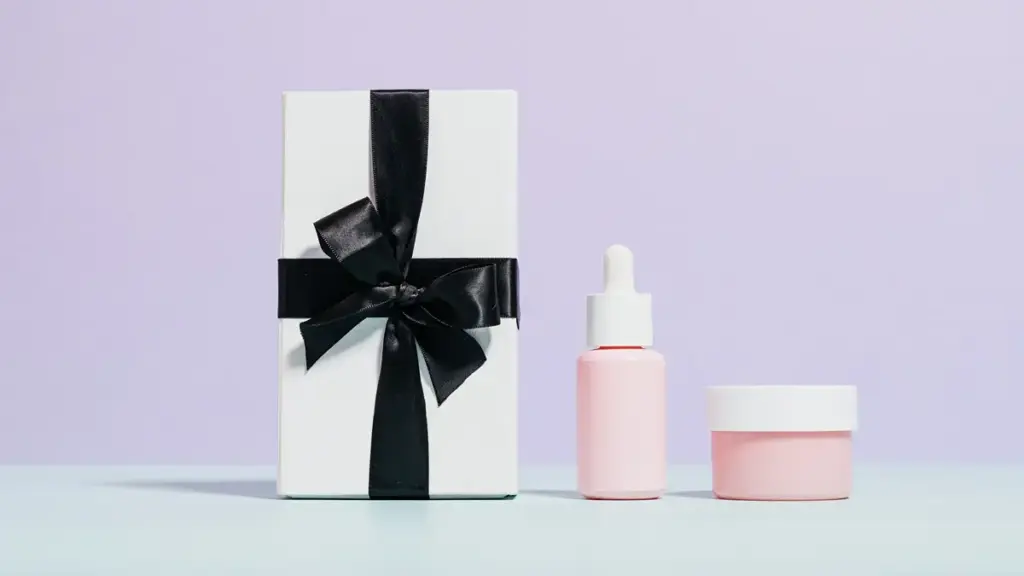
Evaluating cosmetic packaging samples before mass production helps brands confirm structural accuracy, qualidade de impressão, material performance, and finishing details while reducing production risks.
Physical Inspection and Quality Evaluation for Cosmetic Packaging Samples
Evaluating cosmetic packaging samples requires a structured review process. Brands should confirm that packaging dimensions, estruturas, Materiais, and printing effects match the approved design before moving into mass production.
- Structural Accuracy: Check the box dimensions, estrutura dobrável, opening method, and overall assembly to ensure the packaging matches the approved technical drawings and packaging dieline preparation requirements.
- Printing and Visual Quality: Inspect color consistency, printing registration, acabamento superficial, and overall appearance under standardized lighting conditions. Establish clear quality standards before mass production.
- Material and Surface Performance: Evaluate paper quality, coating effects, lamination performance, and surface finishing to ensure the packaging meets brand expectations for appearance and durability.
- Packaging Usability: Review opening experience, structural stability, insert fitting, and overall user interaction to ensure the packaging provides a smooth customer experience.
- Teste de durabilidade: Conduct handling and compression tests to evaluate structural strength, folding stability, and resistance during transportation and storage.
Material Verification, Production Standards, and Quality Control
The quality of paper materials, printing processes, and finishing techniques directly affects packaging appearance, durabilidade, e apresentação da marca. Proper verification helps prevent defects before large-scale production.
- Material Verification: Confirm paper type, grossura, coating requirements, and material certifications to ensure the packaging meets product requirements.
- Surface Finishing Evaluation: Check whether coatings, laminações, gravação em relevo, estampagem de folha, and other decorative processes achieve the expected visual effects.
- Material Documentation: Review FSC certifications, paper specifications, and other relevant documentation to verify material quality and sustainability requirements.
- Quality Standards and AQL Inspection: Establish acceptable quality limits for printing defects, structural issues, and finishing problems before production begins.
- Golden Sample Approval: Approve and archive final samples as the production reference to ensure finished products remain consistent with the confirmed design.
Why Choose PackCCP as Your Cosmetic Packaging Partner in China
Choosing the right cosmetic packaging supplier requires more than competitive pricing. Brands need a manufacturing partner that can support design development, seleção de materiais, qualidade de impressão, and consistent production. PacoteCCP specializes in customized paper packaging solutions, incluindo caixas rígidas, caixas dobráveis, embalagem para presente, and printed materials for beauty and lifestyle brands.
With an experienced engineering team, recursos avançados de impressão, and integrated production processes, PackCCP supports projects from structural design and sampling to mass production. The company provides customized packaging solutions with flexible options for materials, técnicas de impressão, and surface finishes. Sample production can be completed within 3–7 days, while bulk production is typically managed within around 15 days depending on project requirements, helping brands launch products efficiently with reliable quality control.
MOQ, Preços, and Lead Time for Cosmetic Packaging
Customization level, estrutura de embalagem, seleção de materiais, and finishing requirements directly influence MOQ and production timelines in China. Simple printed cartons usually require less preparation, while complex rigid boxes with customized structures and premium finishes require more production planning.
MOQ Requirements and Pricing Factors for Custom Cosmetic Packaging
Your packaging design requirements directly affect MOQ. For cosmetic paper packaging, suppliers usually determine minimum quantities based on box structure, material de papel, processo de impressão, and production setup requirements.
- Caixas dobráveis: Suitable for everyday cosmetic products, these packages typically require lower production complexity and are commonly used for skincare, inventar, e produtos de cuidados pessoais.
- Rigid Cosmetic Boxes: Premium rigid boxes usually require more material preparation, structural engineering, and manual assembly. Understanding the rigid box manufacturing process can help brands better evaluate MOQ requirements and production costs compared with standard cartons.
- Custom Printed Packaging: Adding special printing techniques such as UV coating, estampagem a quente, gravação em relevo, estampagem de folha, or special finishes may increase setup requirements and affect overall pricing.
- Customized Box Structures: Unique shapes, inserções, fechos magnéticos, ribbons, handles, or additional accessories require additional design and production coordination.
Pricing varies depending on paper material, estrutura de caixa, Método de impressão, técnicas de acabamento, e quantidade do pedido. Smaller production runs usually have higher unit costs because suppliers need to allocate design preparation, plate setup, and production resources across fewer pieces.
Production Timelines, Payment Terms, and Supplier Quote Evaluation
Production timelines depend on packaging structure, material availability, requisitos de impressão, e quantidade do pedido. Standard customized paper packaging projects usually require several weeks, while complex designs involving multiple finishing processes and accessories may require additional production time.
- Design Confirmation: Packaging structure, obra de arte, Materiais, and finishing requirements are reviewed before production begins to ensure the final product matches brand expectations.
- Sample Production: Custom samples can typically be completed within 3 para 7 dias, allowing brands to verify structure, printing effects, and finishing details before bulk production.
- Production Preparation: Once samples are approved, suppliers arrange material preparation, printing setup, and production scheduling based on the confirmed specifications.
- Produção em massa: For standard customized orders, production can be completed within around 15 days depending on order complexity and quantity.
- Shipping Arrangement: Delivery time depends on the destination, shipping method, e volume de pedidos. Suppliers should provide clear timelines before production confirmation.
Financially, factories expect a 30% para 50% deposit to initiate tooling and production. You pay the remaining 50% para 70% balance prior to dispatch. To protect your investment, obtain quotes from at least three manufacturers to verify what is included in the base MOQ, tooling fees, and sampling costs before sending a deposit.
Cosmetic Packaging Supplier Quality Control

Rigorous in-process inspections and quality management systems help prevent printing defects, structural issues, and production inconsistencies, ensuring cosmetic paper packaging meets approved specifications before shipment.
In-Process Printing and Structural Quality Control
Production lines operate continuously, meaning printing errors, structural inconsistencies, or assembly issues can affect large quantities if they are not identified early. Regular inspections help maintain consistency throughout the production process.
- Dimensional Verification: Operators check box dimensions, folding accuracy, die-cutting precision, and structural consistency to ensure the final packaging matches approved drawings and samples.
- Material and Production Checks: Quality control teams verify paper specifications, espessura do material, printing results, and finishing processes to ensure packaging quality remains consistent throughout production.
- Printing and Surface Inspection: Quality teams inspect color accuracy, printing registration, coating performance, and surface finishing effects to ensure the final packaging matches approved samples.
- Structural Durability Testing: Factories evaluate packaging strength through handling, compressão, dobrável, and transportation simulation tests to reduce deformation or damage risks during storage and shipping.
Monitoring these quality indicators during production helps reduce waste, maintain consistency, and ensure finished packaging performs reliably during transportation and customer use.
Quality Management Systems and Production Consistency Standards
Physical inspections are most effective when supported by structured quality management processes. Factories should maintain clear production records, inspection procedures, and traceability systems to ensure consistent output across different orders.
- Standardized Quality Systems: Manufacturers should operate documented quality control procedures, including incoming material inspection, production monitoring, and final product checks to maintain consistent packaging quality.
- Defect Classification: Inspectors can use AQL inspection methods to classify critical, major, and minor defects during final quality inspections, helping maintain consistent packaging standards.
- Material and Printing Performance Testing: Quality teams review paper materials, printing performance, coating adhesion, and finishing effects to ensure packaging meets design and quality requirements.
- During Production Inspections: Quality managers conduct production checks during manufacturing to compare finished products with approved samples and identify issues before large quantities are completed.
This structured quality control process ensures that finished packaging matches approved specifications, helping brands maintain consistent quality across international markets.
Shipping Terms for Cosmetic Packaging Orders
Choosing the right Incoterms and freight methods directly protects fragile cosmetic cargo while exposing hidden supplier markups in your total landed cost.
Core Incoterms and Selection Strategies for Beauty Brands
Selecting the correct logistics framework prevents unexpected liabilities and protects your margins. Use these standard guidelines to structure your agreements:
- EXW vs. FOB: Use EXW when consolidating shipments from multiple Chinese factories into a single master container. Choose FOB as the standard default to control ocean freight routing and select custom cargo insurance.
- CIF and DDP Pitfalls: Avoid CIF due to its minimum liability insurance, which fails to cover fragile cosmetic glass. Evaluate DDP closely because suppliers often bundle high logistics markups and tariff costs into the final unit price.
- Named Place Precision: Always write the exact port or city alongside the Incoterms 2020 code in purchase orders. This prevents disputes over where logistics risk and cargo responsibility transfer.
Métodos de envio, Damage Risk, and Landed Cost Planning
Protecting your physical product during transit requires a combination of correct shipping modes, contractual packaging rules, and transparent pricing:
- Transit Mode Allocation: Schedule sea freight for large production runs to optimize shipping volume. Restrict air freight to fast-tracked marketing samples and high-value components.
- Damage Risk Mitigation: Secure all-risk cargo insurance specifically covering glass breakage. Mandate specific palletization, divider inserts, and moisture-barrier packaging directly in the sales contract.
- Landed Cost Calculations: Request a comprehensive cost breakdown including domestic trucking, export documentation, terminal handling, destination port fees, and import duties to compare shipping quotes accurately.
Red Flags When Choosing Cosmetic Packaging Suppliers
Spotting legal and production red flags early saves cosmetic brands from disastrous launch delays, ruined formulas, and expensive bait-and-switch inventory scams.
Evaluating suppliers in China requires looking past polished showroom photos and slick sales pitches. The beauty industry demands absolute precision, meaning minor compliance gaps or weak factory controls will directly impact your bottom line.
Legal, Financial, and Compliance Warning Signs
Compliance failures in cosmetic packaging do not just delay your launch—they can trigger total inventory seizures. Protect your supply chain by filtering out suppliers that show these critical warnings:
- Invalid Production Licenses: Suppliers operating with missing, expired, or unverified cosmetic packaging licenses from provincial drug authorities cannot legally manufacture your components.
- Mismatched Corporate Identities: Mismatched bank accounts, unlisted corporate names, or residential addresses listed as manufacturing facilities indicate shell companies or high-risk intermediaries.
- Non-Traceable Payment Demands: High-pressure demands for 100% upfront payments, or payments routed through personal accounts and offshore private channels, signal potential fraud.
- Bait Pricing: Suspiciously low unit pricing that deviates from the market average almost always precedes sudden, massive cost increases once you pay for tooling molds.
- Unverifiable Compliance Claims: Inability to provide valid ISO, ALCANÇAR, or safety certification registration numbers that you can independently verify with testing bodies.
Quality Control and Factory Production Deficiencies
A factory with weak operational controls guarantees defective components that leak, crack, or ruin your formulation. Watch for these structural deficiencies during evaluation:
- Weak Quality Management: Factories operating without structured quality management systems, incoming material inspection logs, or documented defect tolerance levels.
- Audit Resistance: Direct refusal to host on-site visits, facilitate live video walkthroughs of active lines, or accommodate independent pre-shipment inspectors.
- Bait-and-Switch Output: Mass-produced shipments showing thinner walls, misaligned printing, or weak closures compared to your approved golden samples.
- Missing Technical Documentation: Inability to supply technical data sheets, raw material traceability records, or lab support for formula compatibility testing.
- Evasive Middleman Tactics: Evasive answers regarding whether the supplier owns the machinery or acts as a trading broker with zero control over lead times.
Perguntas frequentes
Why should beauty brands source cosmetic packaging from China?
China has become one of the world’s leading cosmetic packaging manufacturing hubs, supported by mature paper supply chains, recursos avançados de impressão, and flexible customization options. Beauty brands sourcing packaging from China can access a wide range of solutions, including rigid boxes, caixas dobráveis, embalagem para presente, and customized printed packaging. The country’s established manufacturing ecosystem allows suppliers to integrate material sourcing, projeto estrutural, impressão, acabamento, and assembly, helping brands achieve consistent quality while maintaining competitive production costs.
How can I find and verify a legitimate cosmetic packaging factory?
To verify a legitimate cosmetic packaging factory in China, start by reviewing the supplier’s business license, capacidades de produção, and manufacturing experience. Search using relevant terms such as “cosmetic packaging manufacturer,” “rigid box supplier,” ou “paper packaging factory.” Brands should also review factory photos, production equipment, quality control procedures, and material certifications. A video factory tour or on-site audit can help confirm whether the supplier has direct control over production instead of relying heavily on external subcontractors.
What certifications are required for exporting cosmetic packaging globally?
For cosmetic paper packaging suppliers, brands should focus on quality management systems, sustainable material sourcing, and production consistency. Common certifications and documentation include ISO 9001 quality management systems, FSC-certified paper sourcing, BSCI or similar social compliance audits, and material documentation that verifies paper specifications and responsible sourcing practices. These certifications help brands evaluate supplier reliability and ensure packaging meets sustainability and quality expectations for global markets.
What are the typical Minimum Order Quantities (Quantidade mínima) na China?
MOQ for cosmetic paper packaging depends on factors such as box structure, material de papel, Método de impressão, requisitos de acabamento, e volume de pedidos. Standard folding cartons usually allow more flexible quantities, while premium rigid boxes with complex structures and additional accessories may require higher MOQs due to material preparation and manual assembly requirements. Brands should discuss MOQ requirements with suppliers based on their packaging design, customization level, and production goals.
How long are production timelines for Chinese cosmetic packaging?
Production timelines for Chinese cosmetic paper packaging depend on design complexity, material availability, requisitos de impressão, e quantidade do pedido. Standard customized packaging projects usually require several weeks, while complex rigid boxes with multiple finishing processes may require additional preparation time. Por exemplo, custom samples can often be completed within 3 para 7 dias, while mass production timelines vary depending on project requirements and order volume.
What payment terms and Incoterms offer the best risk management?
Payment terms and Incoterms should be selected based on order value, supplier relationship, and logistics requirements. Many Chinese packaging manufacturers use deposit-based payment structures, with the remaining balance paid after production completion and quality confirmation. For international shipping, FOB is a commonly used option because it allows buyers to control freight arrangements while suppliers handle export procedures. Brands should always confirm responsibilities, custos, and risk transfer points before placing orders.
Pensamentos finais
Sourcing cosmetic packaging from China provides brands with competitive pricing, flexible customization options, and access to mature manufacturing capabilities. No entanto, choosing an unreliable supplier may lead to inconsistent printing quality, structural issues, delayed production, and packaging that fails to meet brand expectations.
Working with a reliable manufacturing partner that maintains strict quality control, consistent production processes, and responsible material sourcing helps brands protect their reputation and ensure packaging consistency throughout large-scale production. Your packaging plays an important role in shaping customer perception, making supplier reliability, production consistency, and attention to detail essential for successful product launches.
Antes da produção em massa, brands should carefully review and approve physical samples to confirm packaging structure, precisão de impressão, material quality, and finishing details. We recommend requesting custom packaging samples to evaluate structural design, printing effects, material quality, and finishing techniques before moving into full production.
Contact our engineering team to discuss your packaging structure, material requirements, printing specifications, and receive a customized manufacturing quotation.