Sourcing rigid boxes vs folding cartons dictates your entire packaging cost structure and logistics footprint. Misaligning your product with the wrong format forces you to absorb either inflated freight expenses for pre-assembled luxury units or severe brand degradation from lightweight paperboard.
This analysis benchmarks structural capabilities against total landed cost. We evaluate 1 to 3mm thick chipboard performance, flat-shipping dynamics, and how upgrading to premium formats unlocks 40 に 70 percent gross margins while dropping transit damage rates by half.
Quick Overview: 堅い箱と紙器の比較
パッケージングの世界では, the choice between Folding Cartons and Rigid Boxes is the primary driver of your supply chain efficiency and retail positioning. While one is engineered for “speed and volume,” the other is built for “protection and prestige.”
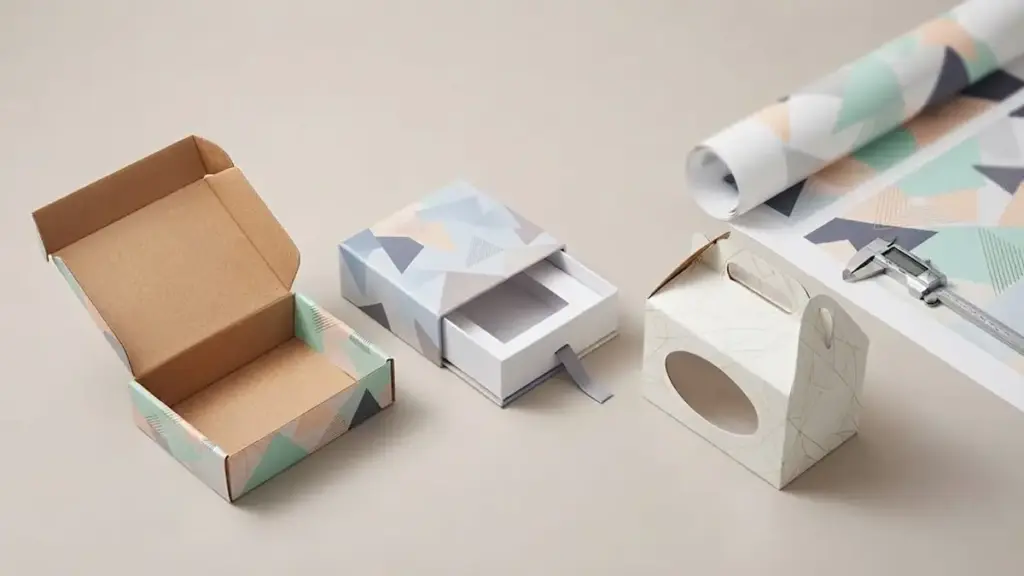
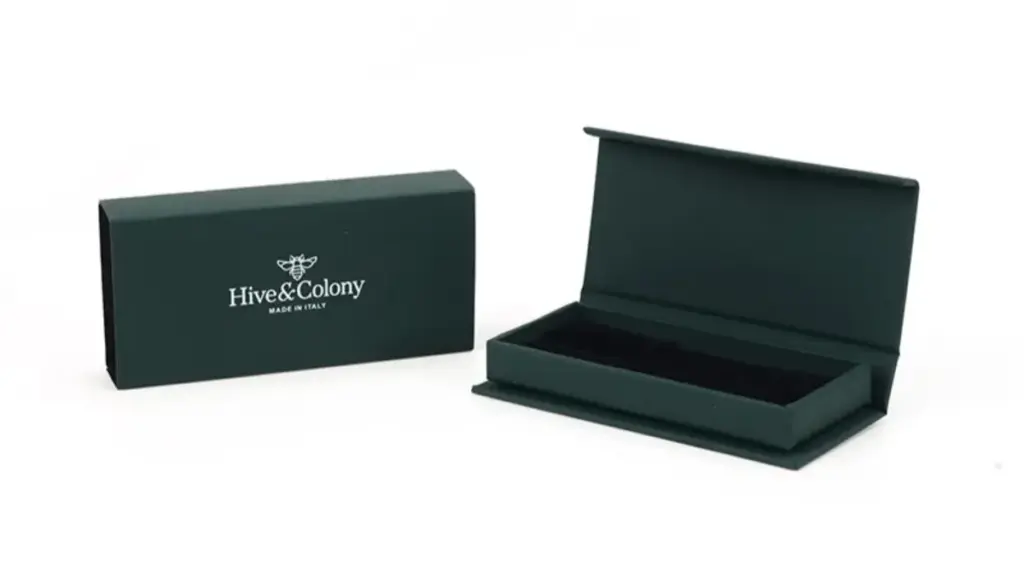
リジッドボックス: Often referred to as “Set-up Boxes.” These consist of a high-density industrial chipboard core (1mm to 3mm thick) wrapped in premium specialty paper. They are shipped fully assembled and maintain their structural integrity from the factory floor to the customer’s doorstep.
折りたたみカートン: Manufactured from lightweight paperboard (typically 250–400gsm). These units are die-cut, scored, and shipped flat. They require assembly—either via manual folding or automated gluing lines—at the fulfillment stage.
| Key Metric | 折りたたみカートン | リジッドボックス |
|---|---|---|
| 材料の厚さ | 0.3mm – 0.8mm (板紙) | 1.0mm – 3.0mm (Chipboard) |
| Shipping State | Shipped Flat (Space Efficient) | Pre-assembled (Full Volume) |
| Assembly Required | 30-60 seconds per unit | Zero (Ready for insertion) |
| Structural Strength | 適度 (Lightweight goods) | Superior (100 lbs+ crush resistance) |
| 製造業 | High-speed automated die-cutting | Semi-automated / Manual wrapping |
| Typical MOQ | 1,000 – 3,000+ 単位 | 500+ 単位 (Low-volume friendly) |
| Unit Cost Range | $0.20 – $1.50 | $2.00 – $10.00 |
Cost Comparison: 生産, Labor, 配送について
Evaluating the financial impact of your packaging requires looking beyond the unit price to the total landed cost. The choice between formats creates a fundamental shift in where your capital is allocated.
生産 & Tooling Investment
- 折りたたみカートン: Lower initial investment. High-speed automated die-cutting ensures a low per-unit price ($0.20–$1.50).
- リジッドボックス: Higher upfront costs ($2.00–$10.00). The process involves thicker materials and specialized wrapping labor, often requiring custom molds or structural dies.
Fulfillment & Labor Efficiency
- Labor Savings: Rigid boxes arrive pre-assembled. This eliminates the 30–60 seconds required to fold and glue a carton, potentially reducing fulfillment center labor costs by 50%.
- Assembly Costs: While folding cartons are cheaper to buy, the manual labor needed to “pop” and set them up adds a hidden operational surcharge to every order.
配送 & Warehousing Footprint
- The Volumetric Tax: Rigid boxes ship at full volume. You are essentially “paying to ship air,” which significantly increases ocean and air freight expenses.
- Space Efficiency: Folding cartons ship flat, allowing you to store up to 10x more units in the same warehouse square footage compared to rigid alternatives.
| Cost Driver | 折りたたみカートン | リジッドボックス |
|---|---|---|
| Unit Price | 低い ($) | 高い ($$$) |
| Fulfillment Labor | 高い (Manual Setup) | Zero (Ready to Pack) |
| Freight Expense | Optimized (Flat) | プレミアム (Volumetric) |
Premium Custom Packaging Solutions

Protection Performance in Real Shipping Conditions
When evaluating packaging through the lens of supply chain resilience, structural integrity is the primary defense against transit damage. The performance gap between folding cartons and rigid boxes is defined by their material density and crush resistance.
構造的完全性 & Impact Resistance
- リジッドボックス: Built with a 1.5mm to 3mm greyboard core, these units offer superior structural shielding. They can withstand up to 100 pounds of pressure before deforming. This non-collapsible architecture is essential for protecting fragile electronics or heavy luxury goods from the “vertical compression” typical in stacked shipping environments.
- 折りたたみカートン: Relying on 250–400gsm paperboard, folding cartons provide high puncture resistance but limited side-wall strength. While effective for lightweight retail items, they are prone to corner crushing and “oil-canning” (panel bowing) under the weight of larger master cases.
The ROI of Durability
The data is conclusive: upgrading to a rigid format can drop transit damage claims by 20% に 50%. For high-ticket items, the cost of a single returned unit often exceeds the total packaging premium of an entire production run. Rigid boxes effectively function as a physical insurance policy for your product’s “out-of-the-box” condition.
| Performance Metric | 折りたたみカートン | リジッドボックス |
|---|---|---|
| Crush Resistance | 低い – 適度 | 高い (100 lbs+) |
| Stacking Strength | Bends under pressure | Maintains fixed shape |
| Damage Claim Rates | Typically 2% – 5% | Target < 1% |
Unboxing Experience and Perceived Brand Value

The is a critical touchpoint in the modern customer journey, acting as a physical manifestation of your brand’s promise. Rigid boxes excel in this arena by providing a “theatrical” reveal. Their weight, tactile richness, and the signature slow-sliding friction as the lid is lifted create a sense of anticipation and luxury. This “heaviness” is psychologically linked to high value, allowing brands to justify 40% に 70% gross margins by signaling that the product inside is an investment, not a commodity.
逆に, folding cartons are often perceived as functional and disposable. While high-quality finishes can elevate them, they lack the “記念品” quality that encourages customers to repurpose the packaging—a behavior that extends brand visibility in the home. ブランド向け, the structural integrity of a rigid box ensures the interior presentation remains pristine upon arrival, driving a 15% に 30% increase in customer lifetime value through positive social media “unboxing” shares and improved brand sentiment. 混雑した市場で, the box is not just a container; it is a silent salesman.
Storage and Logistics Efficiency
Logistics is a balancing act between storage density and speed to market. The following breakdown highlights how each format impacts your operational overhead:
折りたたみカートン
- Maximized Density: Shipped and stored flat, occupying minimal square footage.
- コスト効率: A single pallet holds thousands of units, slashing inbound freight and warehouse rent.
- Strategic Fit: Ideal for high-volume scaling where storage margins are razor-thin.
リジッドボックス
- Volumetric Premium: Shipped pre-assembled, requiring up to 10x more space than folding cartons.
- Instant Fulfillment: Zero manual setup streamlines the packing line for a rapid “dock-to-door” turnaround.
- Strategic Fit: Premium brands trade higher storage costs for reduced labor hours and superior shipping velocity.
| Logistics Factor | 折りたたみカートン | リジッドボックス |
|---|---|---|
| Warehouse Density | Maximum (Flat-packed) | 低い (Fully 3D) |
| Inbound Freight | Low cost / High qty per container | High cost / Low qty per container |
| Throughput Speed | Slower (Requires assembly) | インスタント (Ready for insertion) |
カスタマイズ and Design Flexibility
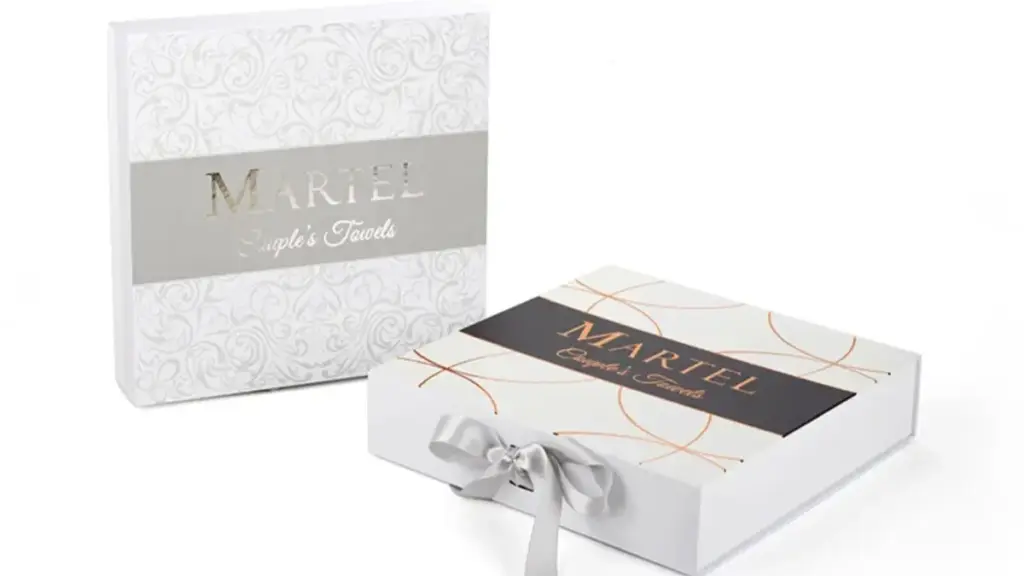
While both formats support high-end finishes, the structural canvas of a rigid box offers a broader range of tactile and architectural possibilities compared to folding cartons.
材料 & Tactile Depth
- リジッドボックス: Because the chipboard core is wrapped, you can use specialty materials that are too thick or fragile for folding, such as textured linen, faux leather, or high-shimmer metallic papers. The rigid walls also allow for deep, precise embossing and debossing that won’t “bounce back” over time.
- 折りたたみカートン: Limited to paperboard that can survive high-speed mechanical folding. しかし, they offer unmatched precision for die-cut windows and complex geometric cutouts that would be difficult to execute on thick chipboard.
Structural Versatility
- Rigid Formats: Unlock premium opening styles like magnetic closures, drawer-style slides, and multi-tiered lift-off lids.
- Folding Formats: Best for innovative “tuck-top” designs and integrated hang-tabs for retail displays.
Design Tip: If your brand identity relies on tactile luxury (の “感じる” of the box), rigid is the superior choice. If it relies on vibrant graphics and unique shapes at scale, folding cartons offer more agility.
Selection Guide: When to Choose Rigid vs. Folding
Choosing the right format is a calculation of Market Value vs. Logistical Reality. Use this guide to align your packaging with your business stage and product type:
Choose Folding Cartons When:
- High-Volume Velocity: Your product is a fast-moving consumer good (日用消費財) with thin margins requiring maximum storage density.
- Eco-Conscious Messaging: You prioritize 100% recyclability and a low carbon footprint for inbound shipping.
- Price Point < $30: Your retail price cannot absorb a packaging cost higher than $1.50 ユニットあたり.
- Retail Display: You need integrated hang-tabs or complex die-cut windows for shelf visibility.
Choose Rigid Boxes When:
- Luxury Positioning: Your product retails for $50–$100+ and requires a “gift-like” unboxing experience.
- High Fragility: You are shipping electronics, ガラス, or heavy items that need 100 lbs+ crush resistance.
- Low Return Tolerance: You want to drop transit damage rates to below 1% by using a non-collapsible chipboard core.
- D2C Storytelling: You want to encourage social media “unboxing” shares to drive organic customer acquisition.
Hybrid Packaging for Tiered Product Lines
Sophisticated brands often deploy a tiered packaging architecture to balance prestige with profitability. You don’t have to choose just one format for your entire catalog.
- の “Hero” 製品 (硬い): Reserve premium rigid boxes for flagship items or limited-edition launches. This creates a “Brand Halo Effect,” establishing a premium identity that elevates the perceived value of your entire brand.
- の “Refill & アクセサリー” (Folding): Utilize high-quality folding cartons for replenishment kits, secondary components, or travel-sized units. This keeps your overall logistics footprint lean.
- The Gift Set (Hybrid Approach): Combine a rigid outer “vault” with internal folding carton dividers or sleeves. This provides the external luxury feel of a setup box while leveraging the cost-efficiency and precision-fit of paperboard for the interior organization.
最終的な考え
The choice between folding cartons and rigid boxes ultimately dictates your retail price ceiling and long-term retention. While folding cartons offer essential cost-efficiency for mass retail, rigid boxes are the strategic engine for high-margin luxury. By prioritizing structural integrity and a premium unboxing reveal, you effectively offset higher freight costs through halved damage rates and elevated brand equity.
Don’t leave your landed costs to guesswork. We recommend starting with physical prototypes from packccp to verify material weight and fit. Contact PackCCP’s specialists today to audit your supply chain and engineer a high-ROI production run.
よくある質問
Do rigid boxes arrive pre-assembled?
Standard rigid boxes ship fully assembled directly from the manufacturer. They use a thick chipboard core that stays fixed, meaning your fulfillment team skips on-site folding or gluing completely. Some suppliers do produce collapsible rigid boxes. These ship flat to cut storage and freight volume by up to 70%, but they lock into a sturdy shape instantly without tools or adhesive.
How do I calculate the landed cost for luxury packaging?
You calculate landed cost by adding your per-unit product price to freight, customs duties, taxes, insurance, and broker fees. You also need to factor in amortized tooling costs, like custom dies or molds, and add a buffer for quality assurance and rejects. Because pre-assembled rigid boxes demand significantly more shipping volume than flat folding cartons, you must map out exact cubic meters per unit. This dictates your ocean or air freight expenses and protects your actual margins.
Why are rigid boxes considered better for brand positioning?
Rigid boxes rely on a thick chipboard foundation wrapped in specialty materials like textured paper, レザーレット, or fabric. This sturdy construction delivers a heavy, premium tactile feel that immediately signals high quality to the buyer. A substantial unboxing experience elevates the perceived value of the product inside. When you need a customer to justify paying a premium price point, a heavy-duty rigid setup box outperforms lightweight, flat-packed cartons every time.