Luxury finishing is the decisive factor that elevates a rigid box from a mere container to a high-value branding tool. In competitive sectors like cosmetics, ジュエリー, そしてエレクトロニクス, premium finishes drive emotional value and signal superior product quality before the box is even opened.
ものづくりの立場から, selecting the right finish is a strategic balance between aesthetic impact, tactile experience, and production variables—including cost, 耐久性, and assembly precision. This guide analyzes seven essential finishing techniques—from foil stamping to V-slotting—demonstrating how technical craftsmanship transforms packaging into a memorable, premium brand experience.
| Finishing Technique | Visual & Tactile Impact | Cost Level | 耐久性 |
|---|---|---|---|
| フォイルスタンピング | Metallic brilliance; classic high-end appeal. | 適度 | 高い |
| スポットUV | Sharp gloss/matte contrast; modern look. | Low to Mid | 適度 |
| エンボス加工 / デボス | 3D depth; emphasizes craftsmanship. | 適度 | 高い |
| Soft-Touch Lamination | Velvety, マット “skin-like” テクスチャ. | 適度 | 低い |
| Textured Varnish | Granular surfaces (Sand, リネン, Leather). | Mid | 高い |
| Anti-Scratch Matte | Premium flat finish; resists scuffs/prints. | Mid | Very High |
| Specialty Textured Paper | Inherent material texture; organic feel. | Mid to High | Varies |
Why Luxury Finishes Matter in Rigid Box Packaging
While the 1.5mm to 3mm structural grayboard provides the foundation of a 硬い箱, luxury finishes transform functional packaging into a sensory branding tool. In high-stakes markets like watches and cosmetics, consumers equate tactile complexity and visual contrast with product excellence.
By integrating advanced finishing techniques, brands strategically achieve three critical objectives:
- Elevate Perceived Value: Premium textures justify higher price points by signaling craftsmanship.
- Strengthen Brand Recognition: Unique visual effects, such as custom foil or spot UV, create a distinctive shelf identity.
- Enhance the Unboxing Experience: A memorable tactile journey fosters long-term customer loyalty.
フォイルスタンピング
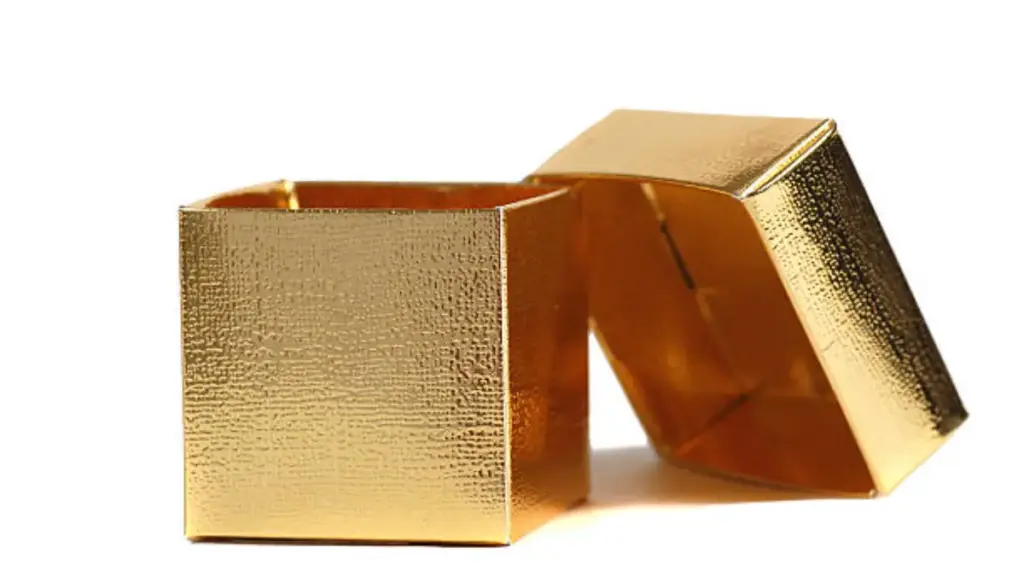
Foil stamping utilizes heat and pressure to bond metallic or pigmented foils onto the box surface, creating a high-contrast, reflective finish. On rigid board structures, this technique achieves superior precision and sharper edges than standard folding cartons, as the solid base ensures even pressure distribution.
Visual & Tactile Characteristics: Provides a premium metallic brilliance (Gold, Silver, Rose Gold) or dynamic light-shifting effects (Holographic). It adds a subtle dimensional feel that attracts attention through visual movement.
Applications:
- Corporate logos and brand names.
- Limited edition markings and decorative borders.
- High-end sectors: ジュエリー, 時計, and premium skincare.
Technical Advantage: Unlike metallic inks, foil is highly opaque and resistant to fading. For B2B procurement, it offers a cost-effective way to achieve a “luxury tier” look without re-engineering the entire package.
スポットUV
Spot UV applies a clear, liquid gloss coating to specific areas of the packaging, creating a striking contrast against a matte or soft-touch background. This technique relies on ultraviolet light to instantly cure the varnish, resulting in a high-build, reflective surface that adds significant visual depth.
Visual & Tactile Characteristics: Delivers a sophisticated “shimmer” effect when the box is rotated under light. It provides a smooth, raised texture that highlights specific design elements without changing the box’s overall color.
Applications:
- Highlighting brand logos or intricate patterns.
- Adding a “water drop” or glass-like effect to product imagery.
- に共通する premium electronics and high-end skincare.
Technical Advantage: Spot UV is an efficient way to achieve luxury contrast. しかし, precise registration is critical—high-quality manufacturing ensures the gloss aligns perfectly with the printed artwork, preventing a “cheap” offset look.
Embossing and Debossing
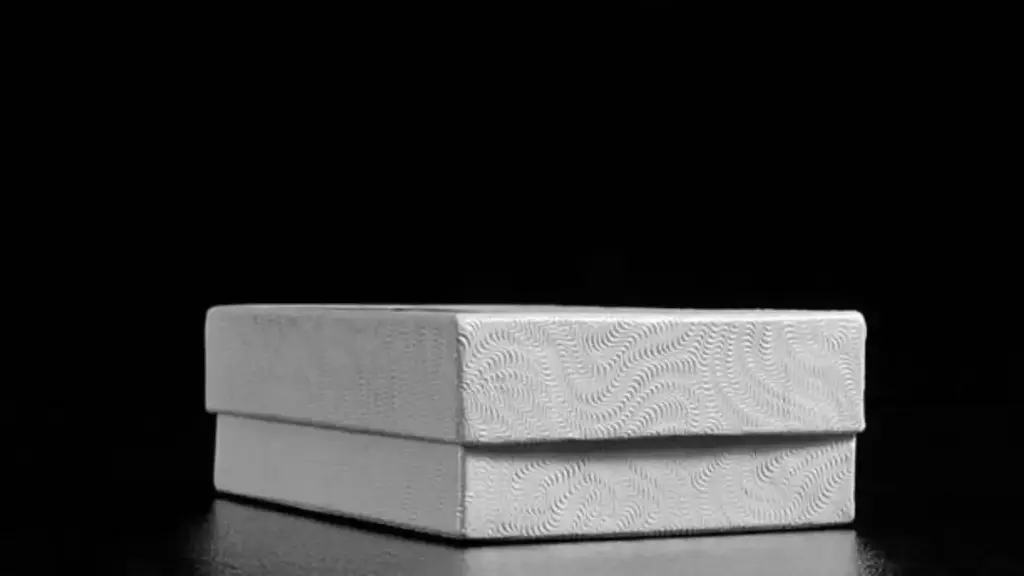
These techniques physically reshape the paper wrap by pressing it between two metal dies, creating a multi-dimensional effect. Unlike coatings, embossing and debossing use the material itself to communicate quality through shadow and texture.
Visual & Tactile Characteristics: Creates a 3D physical presence that invites touch. Embossing raises the design above the surface for a bold look, while debossing creates a recessed, understated indentation.
Applications:
- Monograms for luxury stationery or fragrance boxes.
- Textured backgrounds that mimic natural materials.
- Security features that are difficult to replicate via standard printing.
Technical Advantage: On rigid boxes, the heavy-duty grayboard provides the necessary resistance to maintain deep, crisp impressions over time.
| 特徴 | エンボス加工 (上げられた) | デボス (Recessed) |
|---|---|---|
| Physical Effect | Pushes the design outward | Presses the design inward |
| Brand Tone | 大胆な, prominent, and traditional | Subtle, モダンな, and refined |
| Tactile Impact | 高い (Immediate sensory recognition) | 適度 (Discovered by touch) |
Manufacturing Tip: For maximum impact, combine these techniques with foil stamping. a “Raised Foil” logo is a hallmark of high-tier jewelry and watch packaging, offering both metallic shine and physical depth.
Soft-Touch Lamination
Soft-touch lamination is a specialized film coating that provides a velvety, “skin-like” texture to the rigid box surface. Beyond its premium matte appearance, it alters the physical temperature of the packaging to the touch, making it feel warmer and more exclusive compared to standard plastic-based laminates.
Visual & Tactile Characteristics: Offers an ultra-matte, non-reflective finish that eliminates glare. The primary appeal is its unique rubberized grip and soft, peach-skin sensation that communicates high-end luxury.
Applications:
- Premium smartphone and high-tech gadget boxes.
- Luxury fragrance and “boutique” 化粧品.
- High-end apparel and fashion accessory packaging.
Technical Advantage: It provides an excellent base for secondary finishes like foil stamping or spot UV, as the contrast between the velvet background and glossy accents is maximized. しかし, dark-colored soft-touch surfaces (especially black) require high-quality anti-fingerprint additives to maintain a pristine look.
Elevate Your Brand With Premium Rigid Boxes
Textured Varnish
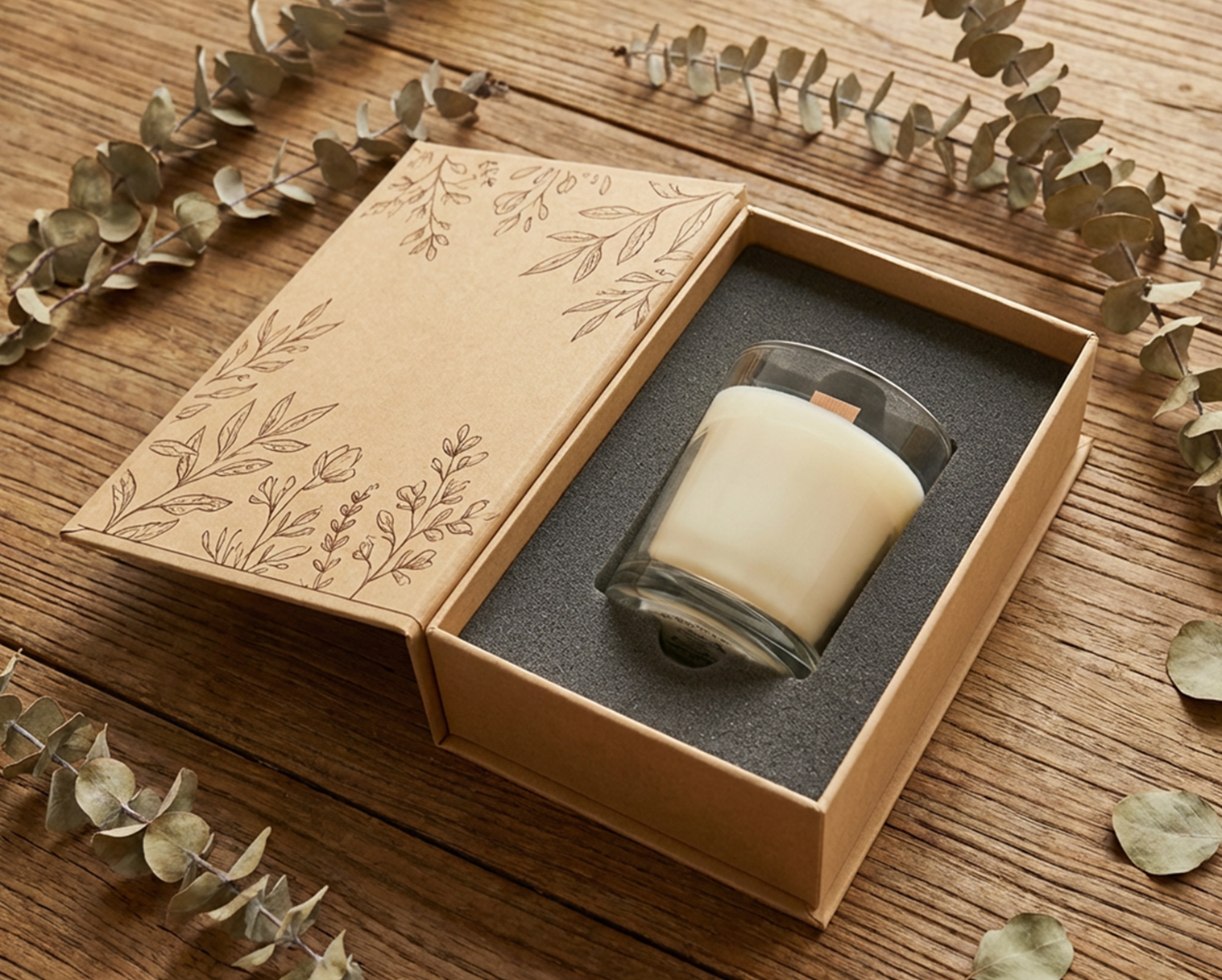
Textured varnish is a screen-printed coating that adds physical grit or specific patterns directly onto the packaging material. Unlike embossing, which deforms the board, textured varnish builds up layers of UV-cured resin to simulate natural materials, providing a sensory experience that mirrors the product’s origin.
Visual & Tactile Characteristics: Can replicate specific surfaces such as fine sand, linen, leather, or even a wood-grain feel. It creates a “rough” or organic contrast that stands out against smooth paper surfaces.
Applications:
- Artisan food and beverage packaging (例えば。, ワイン, craft tea).
- Skincare brands emphasizing natural or organic ingredients.
- Industrial or “rugged” product packaging requiring a durable, grippy texture.
Technical Advantage: Textured varnish is highly durable and resistant to scuffing, making it ideal for products that undergo heavy handling. It allows for “zonal” texturing, where only specific graphic elements (like a rock or a leaf) receive the tactile treatment for a realistic effect.
Anti-Scratch Matte Lamination
Anti-scratch matte lamination is a premium functional coating engineered to solve the common vulnerability of standard matte finishes: scuffing and fingerprints. This specialized film creates a resilient, non-reflective shield that maintains its flawless appearance even after extensive handling throughout the international supply chain.
Visual & Tactile Characteristics: Provides a sophisticated, flat matte finish with zero light reflection. The surface feels smooth and consistent, ensuring that dark colors—especially deep blacks and navies—remain rich and free of white pressure marks.
Strategic Applications:
- Dark-colored luxury packaging for electronics and hardware.
- High-frequency handling items like subscription boxes or jewelry kits.
- Exhibition and retail display packaging that requires a permanent “new” look.
Technical Advantage: Its primary value lies in durability. For large-scale manufacturing, it significantly reduces the defect rate during assembly and shipping, ensuring that the customer receives a pristine unboxing experience without the aesthetic damage typical of traditional matte films.
Specialty Textured Paper
Specialty textured paper focuses on the inherent quality of the material rather than post-press coatings. By selecting paper stock that is embossed or woven during the papermaking process—such as linen, felt, or metallic-infused fibers—brands can achieve an authentic, high-end feel that is integrated into the box structure itself.
Visual & Tactile Characteristics: Offers an organic, artisanal look with deep physical textures that are felt immediately. From the subtle grain of fine linen to the ruggedness of faux-leather paper, the texture is consistent across the entire surface of the box.
Applications:
- Heritage brands in the fragrance and spirits industries.
- Sustainable luxury packaging emphasizing natural, uncoated aesthetics.
- High-tier invitation boxes and commemorative gift sets.
Technical Advantage: Using specialty paper can simplify the production process by removing the need for overall lamination. These papers are often through-dyed (color-saturated), meaning the edges of the paper won’t show white lines when folded or V-slotted, maintaining a seamless, high-value appearance.
How to Choose Finishes for Your Custom Rigid Box
Selecting luxury finishes requires a strategic balance between aesthetic impact and production practicality. To optimize your packaging ROI, evaluate these four critical factors:
- Industry Standards: Tailor finishes to product expectations. Jewelry packaging often pairs foil stamping with soft-touch lamination, while high-end electronics favor the precision of anti-scratch matte finishes and sharp geometric lines.
- Budget vs. Sophistication: プレミアムパッケージ入り, restraint often signals higher value than excess. Overcomplicating a box with too many decorative layers can increase unit costs and production lead times without necessarily improving brand perception.
- Shipping Durability: Logistics should dictate material choice. While soft-touch surfaces provide elite tactile feedback, they may require extra protective handling. For international shipping, textured varnish or specialty papers offer higher scuff resistance during transit.
- Brand Alignment: The finish must amplify the brand story. Minimalist identities benefit from subtle debossing, whereas heritage luxury brands may utilize high-contrast gold foiling to emphasize tradition and prestige.
結論
Luxury rigid box packaging is defined by perception. While structural integrity provides the foundation, finishing techniques deliver the emotional impact that defines a brand’s value. Precision in selecting the right combination—rather than simply maximizing decorative effects—ensures that the packaging communicates professionalism and quality the moment it reaches the customer’s hands.
で packccp, we specialize in transforming technical specifications into premium unboxing experiences. Our team provides expert guidance on integrating advanced finishes to elevate your product’s market presence. 今すぐ PackCCP にお問い合わせください to consult with our packaging specialists and find the perfect finishing strategy for your custom rigid box project.
よくある質問
Which luxury finish is the most cost-effective?
Spot UV is usually one of the most cost-effective premium finishes. It creates strong visual contrast without adding extremely high production costs.
Can multiple finishes be combined on one rigid box?
はい. Many luxury rigid boxes combine foil stamping, エンボス加工, and soft-touch lamination together. しかし, too many finishes can overcrowd the design.
Does soft-touch lamination scratch easily?
Compared with standard matte lamination, はい. Dark soft-touch surfaces are more sensitive to scratches and fingerprints during handling.
Are specialty textured papers more eco-friendly?
頻繁, はい. Many specialty textured papers are FSC-certified and can achieve a premium feel without the need for plastic-based laminates.