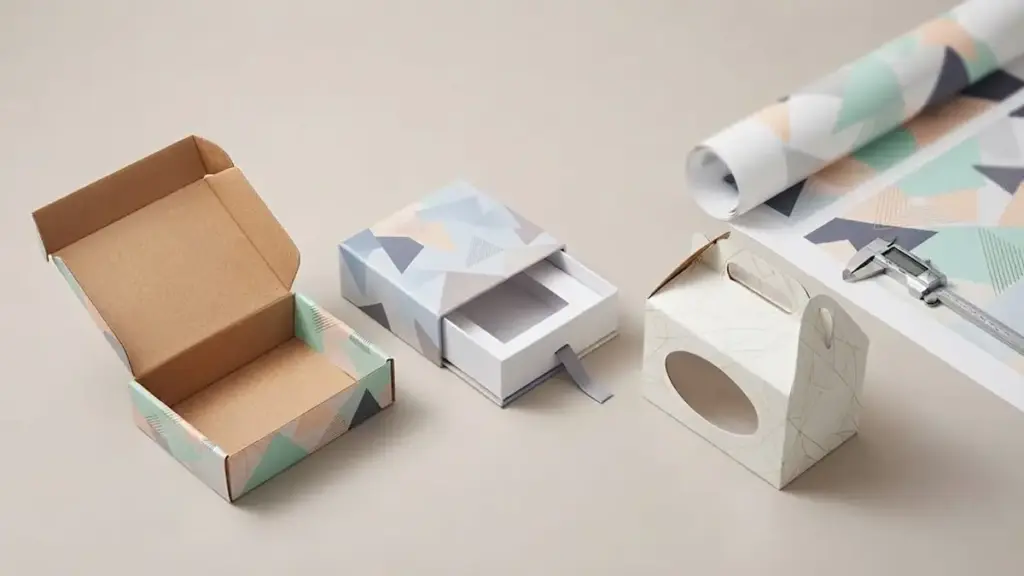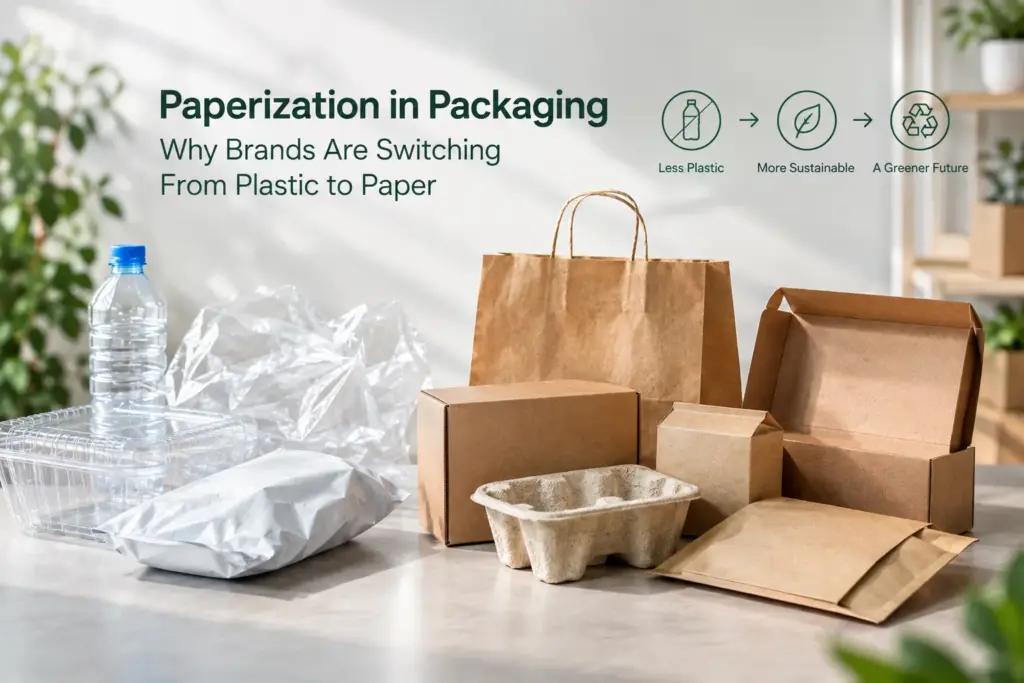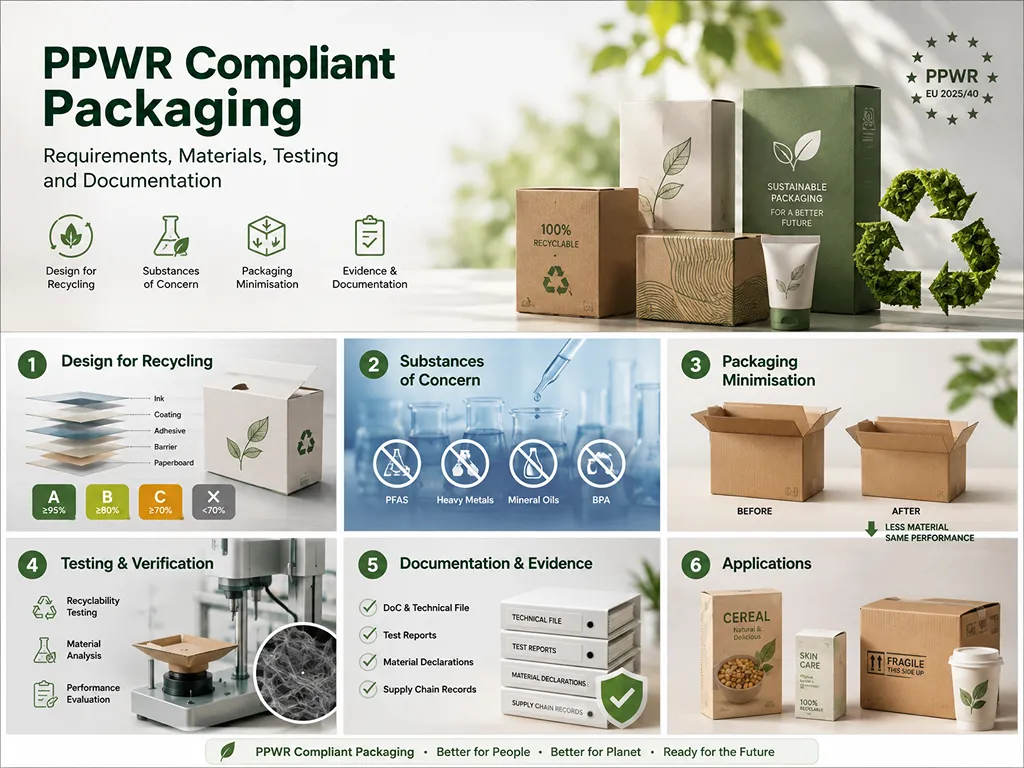
नालीदार गत्ते के बक्से साधारण दिख सकते हैं, लेकिन प्रत्येक शिपिंग कार्टन या लक्ज़री रिजिड बॉक्स के पीछे एक उत्पादन श्रृंखला होती है जो कागज विज्ञान को मिश्रित करती है, इंजीनियरिंग, और स्थिरता. ऑस्ट्रेलिया में ब्रांडों और निर्माताओं के लिए, यूरोप, और उत्तरी अमेरिका, यह समझना कि ये बक्से कैसे बनाए जाते हैं, बेहतर पैकेजिंग विकल्पों का मार्गदर्शन कर सकते हैं - और महंगी गलतियों से बच सकते हैं.
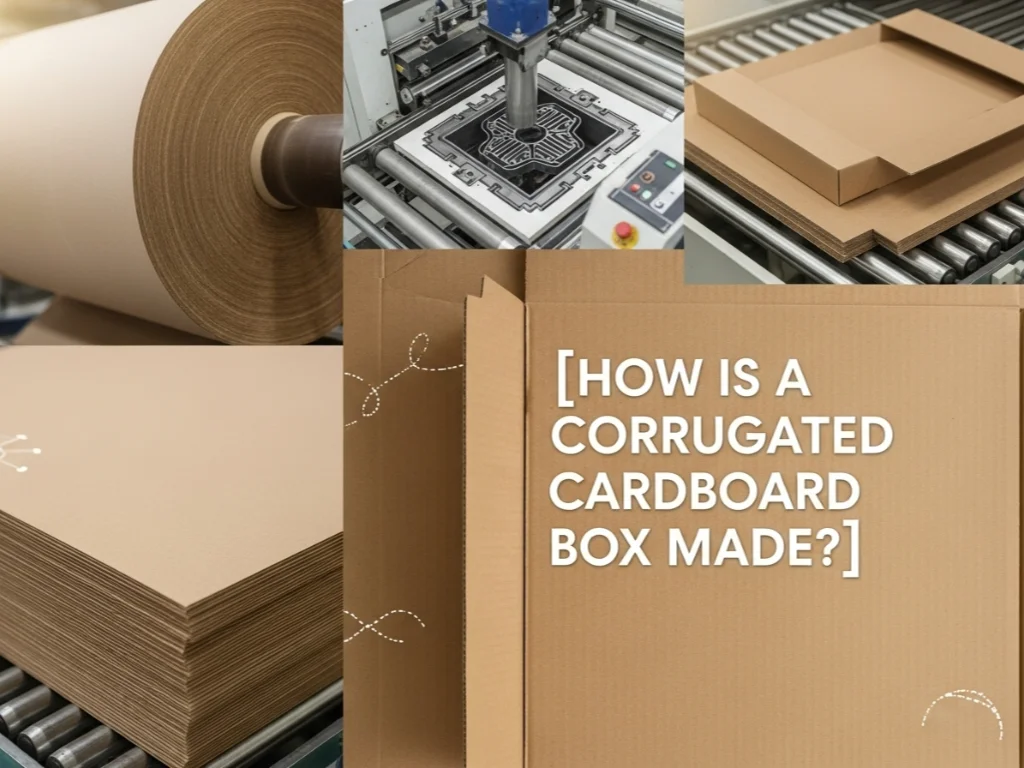
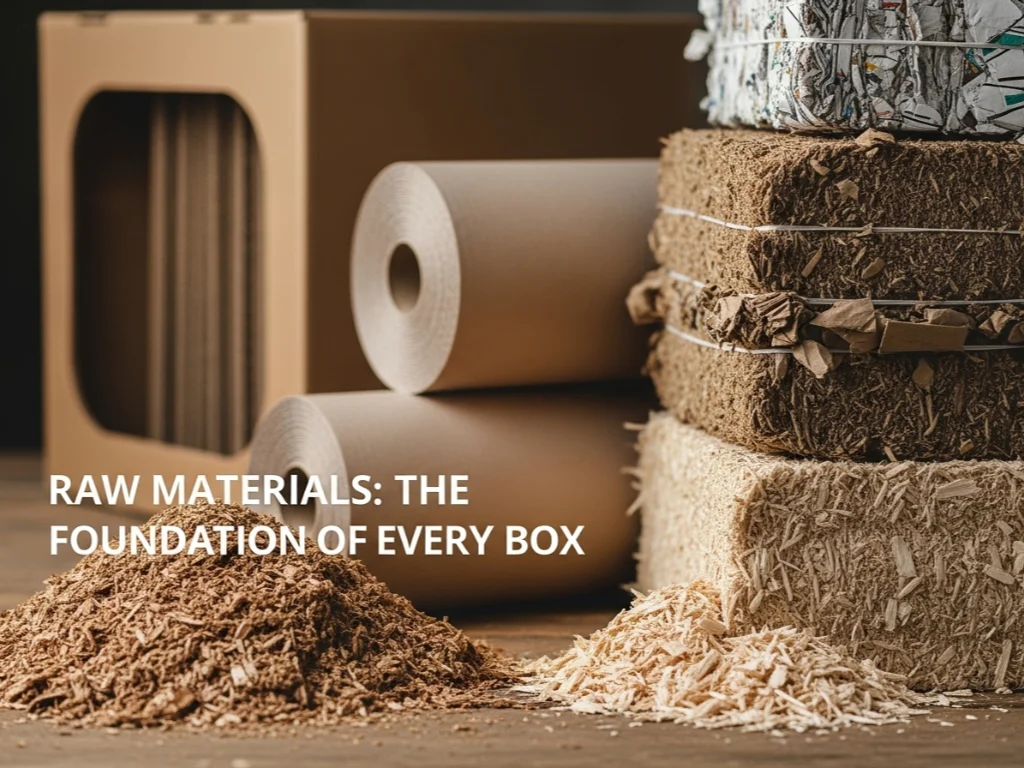
कच्चा माल हर बक्से की नींव
यात्रा कागज से शुरू होती है. नालीदार बक्से दो परतों को जोड़ते हैं:
- क्राफ्ट लाइनरबोर्ड - चिकना, मजबूत सतहें जो बाहर की रक्षा करती हैं. आमतौर पर पाइन या स्प्रूस जैसे लंबे फाइबर वाले सॉफ्टवुड से बनाया जाता है.
- बांसुरी माध्यम - आंतरिक लहरदार चादर जो झटके को अवशोषित करती है. पर्यावरण-प्रदर्शन के साथ स्थायित्व को संतुलित करने के लिए अक्सर पुनर्नवीनीकरण कागज से प्राप्त किया जाता है.
उत्तरी अमेरिका में, इससे अधिक 90% नालीदार पैकेजिंग में पहले से ही पुनर्नवीनीकरण सामग्री शामिल है, के अनुसार फाइबर बॉक्स एसोसिएशन. यह इसे आधुनिक पैकेजिंग में सबसे गोलाकार सामग्रियों में से एक बनाता है.
पर PACKCCP, हम एफएससी-प्रमाणित पेपर मिलों के साथ काम करते हैं ताकि ग्राहक गुणवत्ता से समझौता किए बिना स्थिरता संबंधी प्रमाणों को उजागर कर सकें।. यह विशेष रूप से स्कैंडिनेविया जैसे क्षेत्रों में मायने रखता है, जहां पर्यावरण-प्रमाणन अक्सर खरीदारी की आवश्यकता होती है.
भाप और चिपकने वाले चादरों को संरचना में बदलते हैं
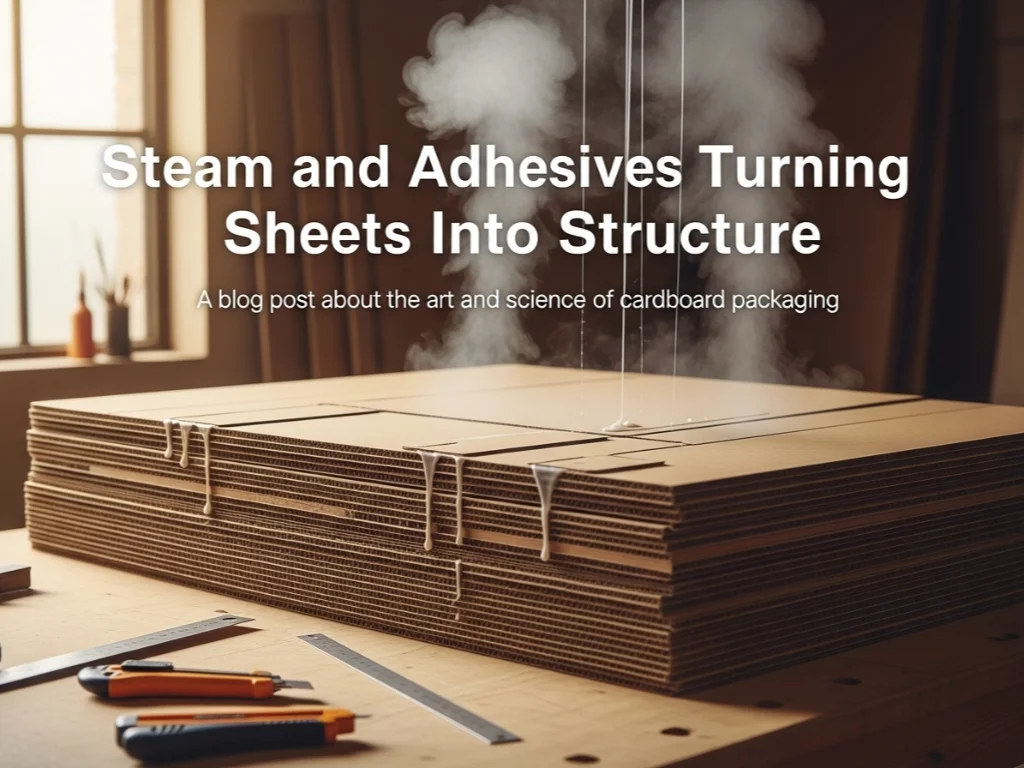
नालीदार बोर्ड की ताकत केवल मोटाई से नहीं आती है - यह इस बात से आती है कि परतें कैसे जुड़ती हैं.
- भाप उपचार कागज को मुलायम बनाता है, इसे आकार देने के लिए पर्याप्त लचीला बनाना.
- स्टार्च-आधारित चिपकने वाले, आमतौर पर मकई से, लाइनर और फ़्लूटिंग को जोड़ने के लिए लगाया जाता है. ये गोंद खाद्य-सुरक्षित हैं, बाइओडिग्रेड्डबल, और ताजा उपज या बेकरी सामान की पैकेजिंग में भी व्यापक रूप से उपयोग किया जाता है.
परिणाम एक हल्का लेकिन लचीला बोर्ड है जो बिना टूटे महत्वपूर्ण वजन संभाल सकता है. पैकसीसीपी का एक मेलबर्न-आधारित ग्राहक, उदाहरण के लिए, वाइन निर्यात के लिए प्लास्टिक क्रेट्स से डबल-वॉल नालीदार पर स्विच किया गया, लागत में कटौती और पर्यावरण अपील प्राप्त करना.
बांसुरी को आकार देना जहां से ताकत आती है
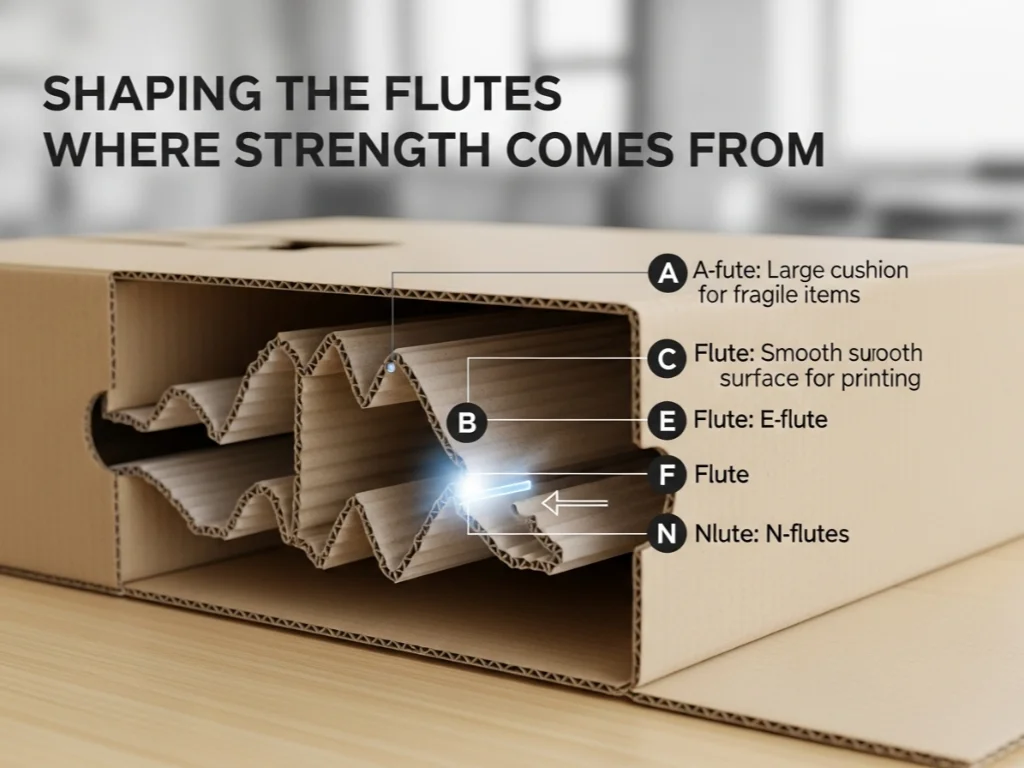
नालीदार कार्डबोर्ड के अंदर की "तरंगें" कहलाती हैं बांसुरी-इसकी सुरक्षात्मक शक्ति को परिभाषित करें.
- ए-बांसुरी: मोटा, बेहतरीन कुशनिंग के साथ (नाजुक वस्तुओं में उपयोग किया जाता है).
- बी बांसुरी: पतली, खुदरा प्रदर्शन के लिए बेहतर.
- सी-बांसुरी: सबसे आम, लागत और ताकत को संतुलित करना.
- ईटी & एफ-बांसुरी: माइक्रोफ्लूट्स, सौंदर्य प्रसाधनों में उपयोग किया जाता है, इलेक्ट्रानिक्स, और लक्जरी कठोर पैकेजिंग.
एसमित्रों शोध से पता चलता है कि ई-कॉमर्स और "शेल्फ-रेडी" पैकेजिंग के कारण माइक्रोफ्लूट का उपयोग बढ़ रहा है. यूरोप में लक्जरी चॉकलेट ब्रांड अब प्लास्टिक ट्रे के स्थान पर माइक्रोफ्लूट कठोर आस्तीन पसंद करते हैं.
एकल से तिहरी दीवार तक परतें बनाना
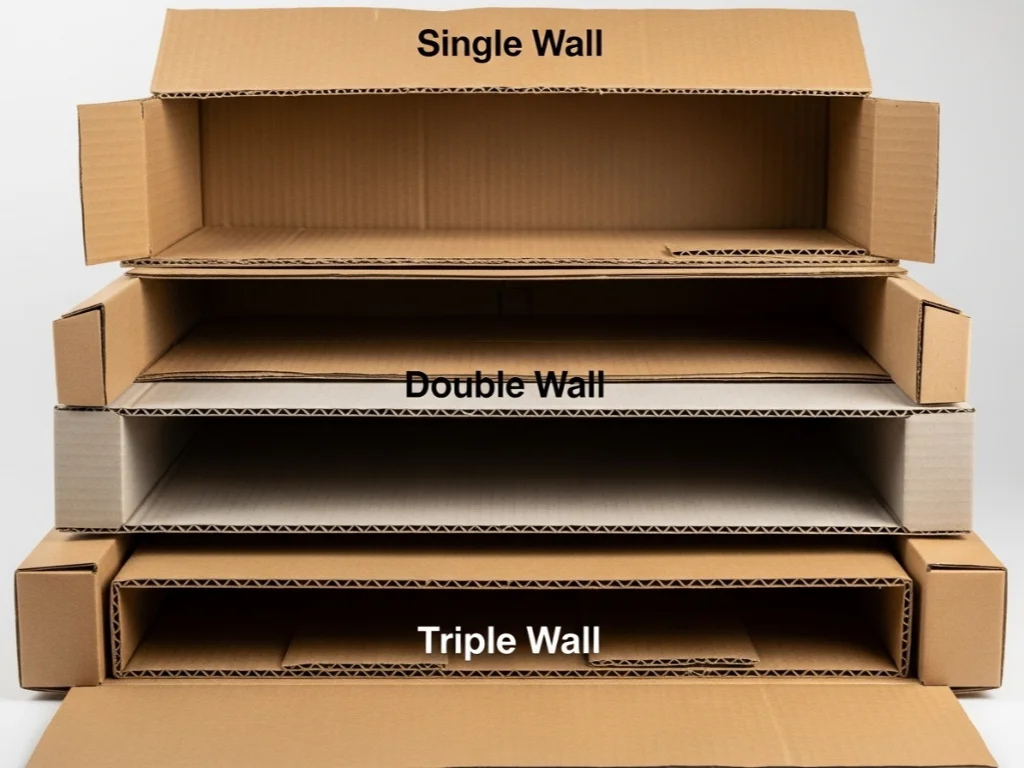
इस पर निर्भर करता है कि शिपिंग की क्या आवश्यकता है, नालीदार बोर्ड को अलग तरह से स्तरित किया जाता है:
- एकल दीवार (दो लाइनर + एक बांसुरी): रोजमर्रा का शिपिंग बॉक्स.
- दोहरी दीवार: दो बांसुरी + तीन लाइनर, लंबी दूरी के निर्यात में लोकप्रिय.
- तिहरी दीवार: अत्यधिक टिकाऊ, अक्सर मशीनरी या थोक खाद्य शिपमेंट में लकड़ी की जगह लेते हैं.
पर PACKCCP, फैशन और जीवनशैली उद्योगों में हमारे यूरोपीय ग्राहक अक्सर चुनते हैं दोहरी दीवार संरचनाएँ ई-कॉमर्स के लिए. यह बीच का रास्ता है: लकड़ी से हल्का, लेकिन इतना मजबूत कि बिना ढहे महाद्वीपों को पार कर सके.
संरचनात्मक डिज़ाइन कैसे विकसित किया जाता है, इसके बारे में अधिक जानकारी के लिए, हमारा गाइड देखें: पैकेजिंग में डाइलाइन क्या है??.
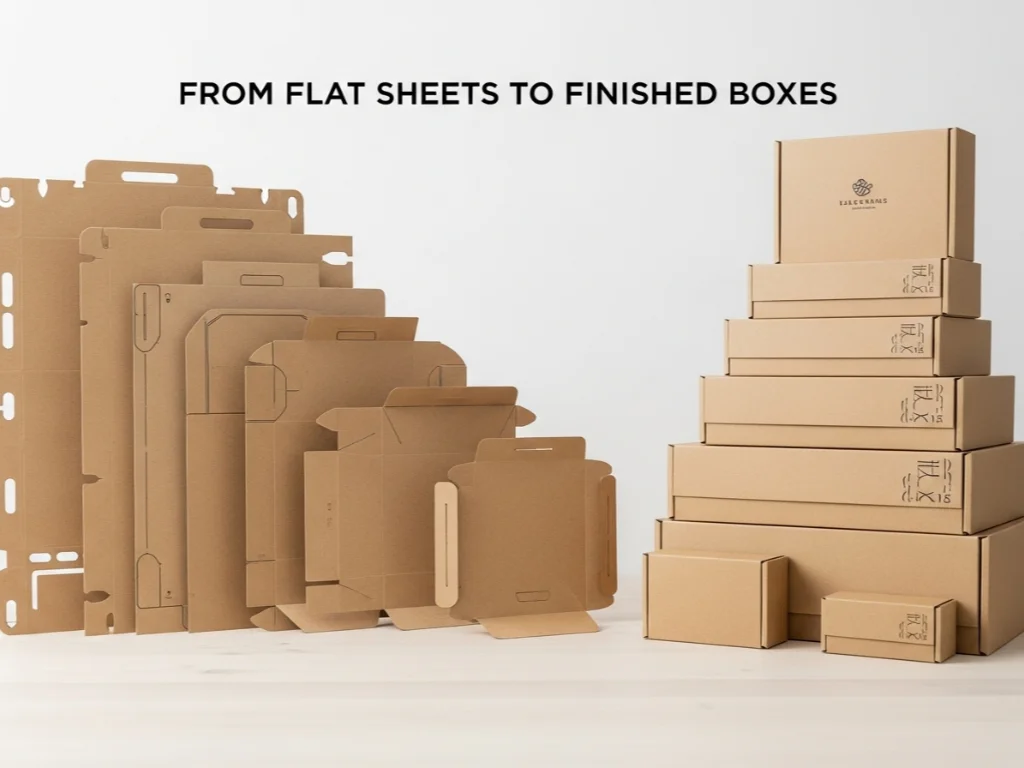
फ़्लैट शीट से लेकर तैयार बक्से तक
एक बार बोर्ड तैयार हो जाए, बक्सों में परिवर्तन शुरू होता है:
- काटना & खांचाकरण: मोड़ने के लिए चादरों को काटा और मोड़ा जाता है.
- छपाई: डिज़ाइन लागू किए जाते हैं—प्रतीकों को संभालने से लेकर पूर्ण-रंगीन लोगो तक कुछ भी. ए मैकिन्से रिपोर्ट अवलोकन किया कि 72% उपभोक्ता पैकेजिंग डिज़ाइन को सीधे उत्पाद की गुणवत्ता से जोड़ते हैं.
- तह & चिपकाने: फ्लैट रिक्त स्थान इकट्ठे किए जाते हैं, खड़ी, और ग्राहकों को भेज दिया गया.
पैकसीसीपी पर, हम लक्जरी फ़िनिश-फ़ॉइल स्टैम्पिंग जोड़ते हैं, उभार, या यहां तक कि कठोर बॉक्स रूपांतरण - ग्राहकों को न केवल शिपिंग उपकरण के रूप में नालीदार पैकेजिंग का उपयोग करने में मदद करता है, लेकिन एक ब्रांडिंग संपत्ति के रूप में.
पुनर्चक्रण लूप को बंद करना
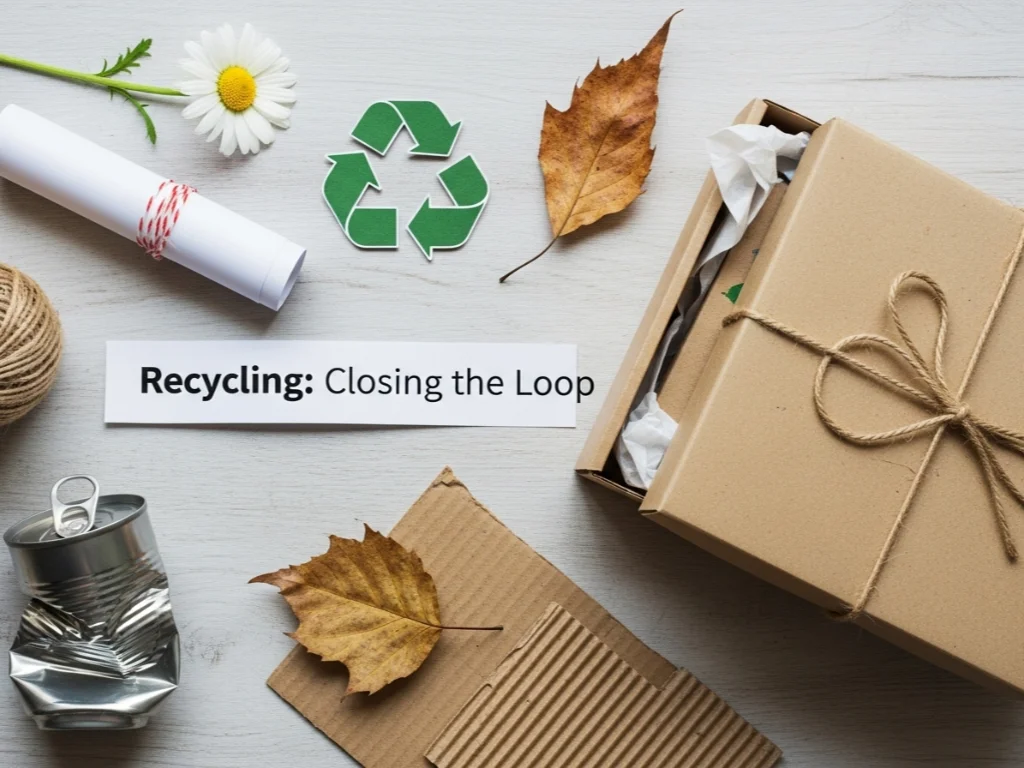
नालीदार दुनिया में सबसे अधिक पुनर्नवीनीकृत पैकेजिंग सामग्रियों में से एक है.
- अमेरिका में।, यह एक तक पहुंच गया की पुनर्प्राप्ति दर 93.6% में 2022 (ईपीए).
- पुनर्चक्रण से वर्जिन फाइबर की मांग कम हो जाती है और CO₂ उत्सर्जन कम हो जाता है.
- नीलसनआईक्यू की रिपोर्ट 78% उपभोक्ता ब्रांड बदलने के इच्छुक हैं यदि टिकाऊ पैकेजिंग की पेशकश की जाती है.
पर PACKCCP, यह एफएससी-प्रमाणित कागजात में तब्दील हो जाता है, इको-कोटिंग्स, और पुन: प्रयोज्य चिपकने वाले. ऑस्ट्रेलिया और उत्तरी यूरोप के प्रीमियम बाज़ारों के लिए, ये प्रमाणपत्र न केवल उपयोगी होते हैं - वे अक्सर आपूर्तिकर्ता निविदाओं में अनिवार्य होते हैं.
अंतिम विचार
चीड़ के जंगल के रेशों से लेकर तैयार निर्यात कार्टन तक, नालीदार कार्डबोर्ड इंजीनियरिंग और नवीनीकरण की कहानी है. प्रत्येक बांसुरी, चिपकने वाला बंधन, और कट लाइन यह निर्धारित करती है कि बॉक्स सुरक्षित रूप से भार ले जा सकता है या नहीं - या अपने ग्राहकों की नज़र में किसी ब्रांड को ऊपर उठा सकता है.
B2B खरीदारों के लिए, आपूर्तिकर्ता की पसंद से बहुत फर्क पड़ता है. पर PACKCCP, हम सिर्फ बक्से का निर्माण नहीं करते - हम इंजीनियर हैं कस्टम नालीदार और कठोर समाधान जो स्थायित्व को जोड़ती है, डिज़ाइन, और संपूर्ण ऑस्ट्रेलिया के बाज़ारों के लिए स्थिरता, यूरोप, और उत्तरी अमेरिका.
पूछे जाने वाले प्रश्न
1. नालीदार कार्डबोर्ड नियमित पेपरबोर्ड से अधिक मजबूत क्यों होता है??
इसकी बांसुरीदार आंतरिक परत के कारण, जो झटके को अवशोषित करने के लिए स्प्रिंग की तरह काम करता है.
2. क्या नालीदार पैकेजिंग का उपयोग लक्जरी उत्पादों के लिए किया जा सकता है??
हाँ—जब एम्बॉसिंग या फ़ॉइल जैसे उच्च-स्तरीय फ़िनिश के साथ जोड़ा जाता है, पर्यावरण के अनुकूल रहते हुए नालीदार प्रीमियम दिख सकता है.
3. नालीदार हमेशा पुनर्चक्रण योग्य होता है?
लगभग सभी नालीदार पुनर्नवीनीकरण योग्य हैं, बशर्ते कोटिंग्स या लेमिनेशन पर्यावरण-संगत हों.
4. ई-कॉमर्स पैकेजिंग के लिए किस प्रकार की बांसुरी सर्वोत्तम है??
सी-बांसुरी सबसे आम है, लेकिन नाजुक या उच्च-मूल्य वाले शिपमेंट के लिए दोहरी दीवार वाली ई+सी बांसुरी को प्राथमिकता दी जाती है.
5. नालीदार पैकेजिंग के लिए पैकसीसीपी के साथ काम क्यों करें?
क्योंकि हम इसमें विशेषज्ञ हैं B2B कस्टम डिज़ाइन, सम्मिश्रण शक्ति, ब्रांडिंग, और अंतरराष्ट्रीय खरीदार की मांगों को पूरा करने के लिए पर्यावरण प्रमाणन.