Mastering packaging design trends for beauty products is no longer about aesthetics; it’s a critical factor in market share and regulatory compliance. Falling behind means losing customers to brands that align with modern values on sustainability and accessibility, while creating direct exposure to new mandates like Extended Producer Responsibility (EPR).
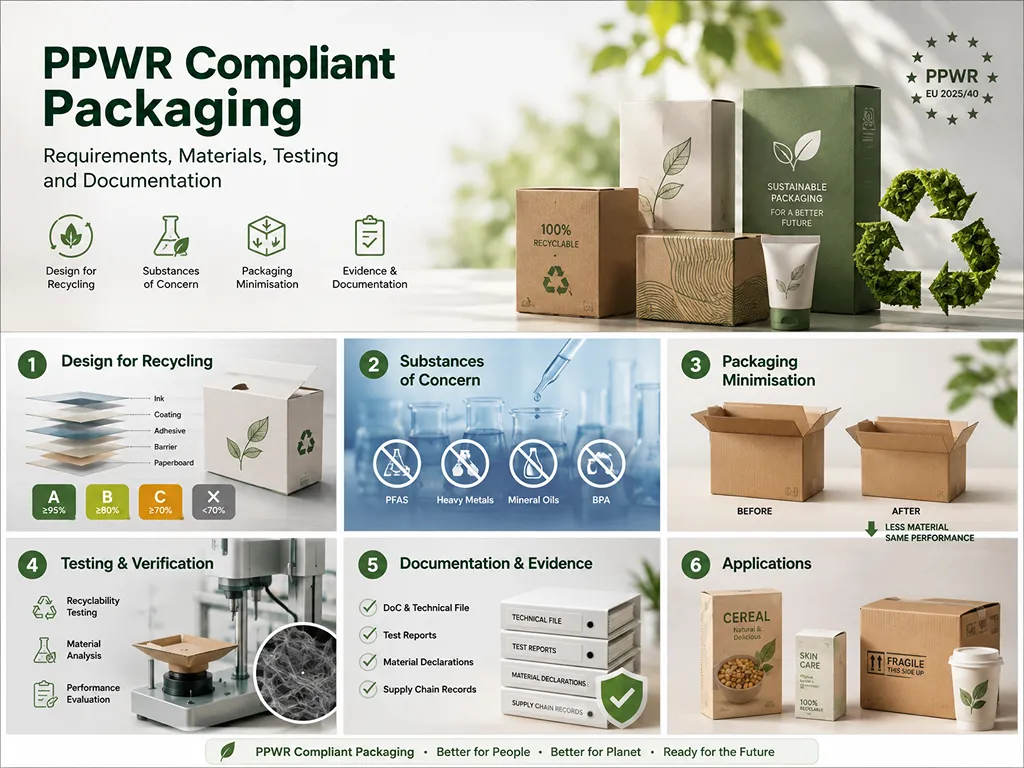
This analysis translates these trends into actionable blueprints. We examine how shifts toward mono-materials and refillable systems directly address consumer demand—with 79% of shoppers favoring refills—and prepare your brand for compliance with frameworks like the EU’s Packaging and Packaging Waste Regulation (पीपीडब्ल्यूआर).
Why Beauty Packaging Trends Matter

Keeping up with beauty packaging trends is critical. This isn’t just about aesthetics; it’s about how we differentiate our brand, influence what customers buy, meet sustainability goals, and stay compliant with regulations.
Drives Brand Identity and Purchase Decisions
Packaging is one of our most powerful branding tools. The colors, सामग्री, and shapes we choose send an immediate signal about our product’s identity, whether it’s positioned as clinical, natural, or luxury.
This design directly influences a customer’s first impression. It shapes their perception of quality and can be the deciding factor in their willingness to buy.
In a crowded beauty market, distinctive packaging helps a brand stand out. This is true on store shelves and even more so on digital ones, where a strong visual can build recognition and long-term loyalty.
Navigates वहनीयता Demands and Regulations
Current trends show a clear consumer shift toward sustainability. Shoppers are actively seeking and choosing brands that use recyclable, refillable, or bio-based packaging materials.
Staying current also helps us navigate complex regulations. Frameworks like Extended Producer Responsibility (EPR) are pushing brands toward simpler, mono-material designs that are easier to recycle, making compliance a key part of packaging strategy.
Adopting sustainable packaging is more than just an ethical move. It has become a core business strategy that builds customer loyalty, can justify a premium price point, and gives us a significant competitive advantage.
Fully Custom Rigid Boxes to Elevate Your Brand
Minimalist Packaging Continues to Evolve
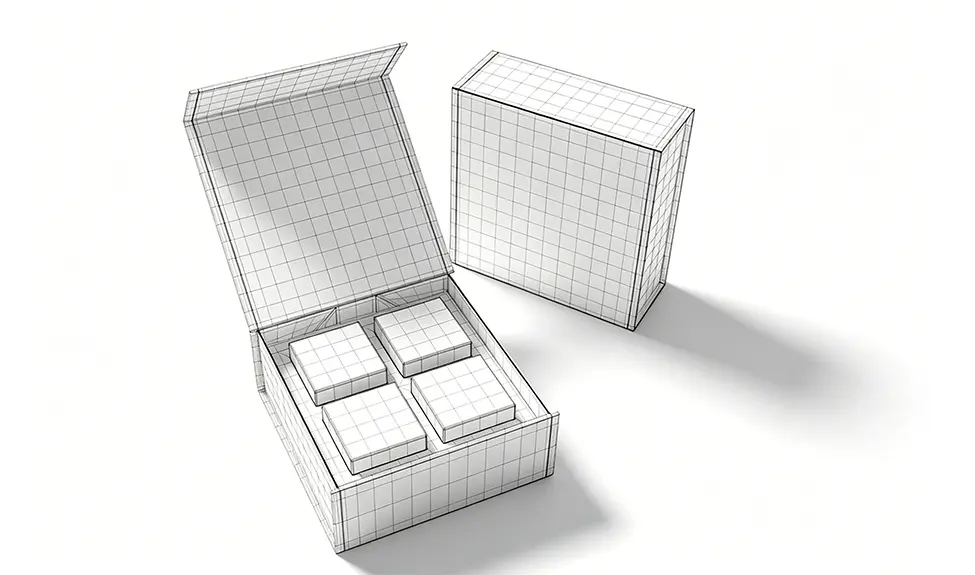
Minimalist packaging in beauty has moved beyond a simple visual style. It’s now a complete design strategy focused on function and sustainability. This approach combines clean aesthetics and smart communication with eco-friendly practices like using mono-materials and refillable systems, making the packaging both practical and responsible.
From Clean Aesthetics to Functional Design
Modern minimalism is about more than just looks. It uses clean lines, neutral color palettes, and clear typography to build trust. By avoiding decorative clutter, we present our products in a straightforward way that aligns with consumer demands for transparency and authenticity.
This approach features smarter communication. We design labels and surfaces to carry only the most essential information. This not only creates an uncluttered look but also helps our products stand out on crowded digital shelves where clarity is critical.
Functionality is a core part of this evolution. Packaging now serves as a practical storage system that also acts as a brand signal. We design formats like airless jars, precise droppers, and sturdy refillable bottles that protect concentrated formulas from air and light, reducing both product and packaging waste.
Sustainability as the Driving Strategy
Sustainability is now the main force behind minimalist design. The focus is on reducing our environmental impact by using less material, simplifying production, and cutting down on complex processing steps. This creates a more efficient and responsible supply chain.
Mono-material packaging is a key part of this strategy. We are choosing materials like glass, aluminum, and post-consumer recycled (PCR) plastics because they simplify the recycling process. Using a single material for a container and its closure helps meet new regulatory standards and makes it easier for customers to recycle correctly.
Refillable and reusable systems are now central to minimalist design. Instead of creating single-use decorative components, we are building systems with durable outer containers and lightweight refills. This approach reduces waste, builds customer loyalty, and supports a circular economy.
To achieve this, we conduct packaging audits to remove redundant layers and components. Our goal is to define a ‘minimum viable package’—the simplest, most efficient design that still protects the product and communicates our brand values effectively.
Refillable & Sustainable Packaging Trends
Refillable and sustainable packaging is quickly becoming the industry standard, driven by strong consumer demand and new regulations. With shoppers prioritizing eco-friendly options and rules like the EU’s PPWR mandating recyclable or reusable designs by 2030, brands are moving away from single-use plastics. This shift is fueling innovations in refill systems and sustainable materials to reduce waste and meet market expectations.
Core Drivers: Consumer Demand and Regulation
Shopper preferences are a major force, with over 70% of beauty customers prioritizing environmentally friendly products. This translates directly to sales, as 79% of them are more likely to buy items that feature refillable claims.
The scale of waste is another critical driver. The beauty industry generates about 120 billion packaging units each year, so many brands are shifting from single-use plastics to reduce both environmental impact and strategic risk.
New rules are also pushing the industry forward. The EU’s Packaging and Packaging Waste Regulation (पीपीडब्ल्यूआर), उदाहरण के लिए, requires all packaging to be designed for reuse or high-quality recycling by 2030, making sustainable design a matter of compliance.
Key Innovations: Refill Systems and Sustainable Materials
To meet this demand, brands are introducing a variety of refill models. These range from in-store refill stations and convenient mail-back pouches to integrated components like lipstick and foundation cartridges that customers can easily replace.
Material innovation is also accelerating. We are seeing a major shift toward mono-material designs that simplify recycling, a greater use of post-consumer recycled (PCR) content, and the introduction of new bio-materials like mycelium.
In the luxury sector, brands are creating premium ‘heirloom’ containers. These are designed for long-term use and turn the packaging itself into a valuable, collectible asset that encourages brand loyalty.
Multi-Sensory Packaging Experience
Multi-sensory packaging moves beyond being just a container. It combines touch, sight, sound, and digital interaction to create a memorable experience that reinforces brand identity, premium positioning, and functional performance.
Engaging Sight, Touch, and Sound in Packaging
The physical feel of a package creates a lasting brand impression. We use tactile finishes like soft-touch coatings, उभरा हुआ पैटर्न, and textured surfaces to give a product a distinct and memorable physical identity that customers can feel.
Visual cues communicate quality and positioning at a glance. Elements such as frosted glass, monochrome color palettes, and transparent materials can signal cleanliness, purity, or a premium, minimalist aesthetic before the product is even opened.
Audible signals reinforce the perception of a well-made, quality product. The distinct sound of a magnetic closure snapping shut or the precise click of a dispenser adds a layer of satisfaction and perceived value to the daily routine.
We can also add a digital layer to the physical experience. By integrating QR codes or NFC chips, the package becomes a gateway to online content, from brand storytelling and tutorials to detailed ingredient transparency.
Functional Benefits of a Sensory-Rich Experience
In a crowded market, sensory details help a product stand out. These elements create a memorable unboxing moment and a strong physical impression that differentiates a brand on the shelf and in the home.
The sensory experience is directly tied to function. Ergonomic shapes that feel good to hold, precise dispensers that work flawlessly, and easy-to-use closures improve the daily product experience and build customer loyalty through superior usability.
Packaging that feels high-quality elevates the perceived value of the product inside. For direct-to-consumer brands, this tactile confirmation of quality is a key factor in justifying premium price points and building a strong brand image.
Smart packaging features build consumer trust. Giving customers direct access to information about ingredients, sourcing, or recycling instructions through a simple scan shows a commitment to transparency and helps them feel more connected to the brand.
Inclusive & Functional Packaging Design
Inclusive packaging makes our products easy to identify, open, and use for the widest range of people, including older adults and those with disabilities. We focus on function-first design, integrating accessibility as a core requirement to create a better experience for everyone and broaden our customer base.
Designing for Physical and Visual Accessibility
We are moving toward ergonomic shapes that improve how a product feels and functions in the hand. By adding features like textured sides or silicone sleeves, we give users with limited hand strength a more secure grip and prevent the packaging from slipping in wet environments like a shower.
Opening a product shouldn’t be a struggle. We now use easy-open closures like flip caps and magnetic lids that reduce the twisting motion and force required. This simple change makes a big difference for people who have arthritis or limited wrist mobility.
To help visually impaired users, we incorporate tactile markers directly into the packaging. Raised symbols, distinct textures, or Braille allow someone to easily tell the difference between similar products, such as a shampoo and conditioner bottle, just by touch.
Visual clarity is just as important. We use high-contrast color printing with larger, more readable fonts to make text easier to see. Critically, we don’t rely on color alone to convey information, ensuring our packaging is accessible to users with low vision or color blindness.
Expanding Inclusion with Smart Features and Neutral Aesthetics
Our design approach is shifting toward gender-neutral aesthetics that welcome all identities. We avoid stereotypes by using universally appealing forms and graphics, making our products feel like they are for everyone.
We also integrate smart technology to extend accessibility beyond the physical pack. QR codes and smart tags allow users to scan a product with their phone and have the ingredients, warnings, and instructions read aloud, providing critical information in an audible format.
Functional formats like airless pumps and tubes with needle-nose tips serve multiple purposes. They keep products hygienic and allow for precise, one-handed dispensing, which is a significant benefit for anyone with dexterity challenges.
To ensure our designs are genuinely effective, we co-design and test them with disabled consumers. Involving people with diverse abilities in the development process helps us identify friction points and create packaging that is truly easy to find, open, and use.
Which Trends Will Last Beyond 2026
Beauty packaging trends that will last beyond 2026 are those anchored in structural forces like regulation, consumer demand for sustainability, and the permanence of e-commerce. Lasting trends include the shift to circular systems, the integration of connected technology for transparency, and the adoption of inclusive design as a standard. Material innovation toward recyclable substrates and packaging optimized for both shipping and unboxing are also set to endure.
Core Principles: वहनीयता, Connectivity, and Accessibility
Sustainability in beauty packaging is moving from a marketing trend to a core business requirement. The focus is shifting from simple recyclability claims to designing fully circular systems. This includes formats like refillable pods and mono-material components that simplify recycling and meet tightening regulations. Creating clear end-of-life pathways for packaging is becoming a baseline expectation.
Connected packaging, using QR codes and NFC tags, is becoming standard infrastructure. These digital tools are no longer just for marketing campaigns. They provide a vital function, giving customers direct access to ingredient lists, refill instructions, and detailed regulatory information without cluttering the physical label. This shift anchors connected packaging as a long-term utility.
Inclusive design principles are also becoming permanently embedded in packaging development. Features that improve accessibility, such as ergonomic grips for users with limited dexterity, high-contrast text for better readability, and tactile cues for product differentiation, are now seen as essential. This approach broadens the customer base and aligns with health-first brand values.
Strategic Focus: Material Innovation and E-Commerce Optimization
A major long-term trend is the strategic move away from complex, multi-layer plastics. Driven by both regulations and brand image, the industry is shifting toward materials with clear recycling streams. Recyclable aluminum, काँच, and advanced paper-based systems are becoming the preferred substrates for brands building a durable, sustainable future.
The dominance of e-commerce continues to shape packaging design. This creates a lasting need for packaging that is structurally optimized for the rigors of shipping, which reduces damage and returns. एक ही समय पर, the pack must deliver a sensorially rich unboxing experience that creates a memorable brand moment to replace the in-store experience.
The “quiet luxury” aesthetic is set to persist because it aligns with multiple long-term goals. Characterized by minimal graphics and a focus on material honesty, this visual style supports sustainability by reducing inks and decorative processes. It also effectively communicates a premium look and feel, making it a resilient strategy for brands that want to signal quality and responsibility.
अंतिम विचार
These trends are not aesthetic options; they are strategic mandates. The frameworks for sustainability, समारोह, and inclusivity are your only defense against regulatory risk and brand erosion. Following surface-level styles without this strategic core is a direct path to wasted investment.
Don’t guess on execution. We recommend a direct strategic review to adapt these frameworks to your specific product line and target market. हमारी टीम से संपर्क करें to align your packaging development with your commercial goals.
अक्सर पूछे जाने वाले प्रश्नों
What are the latest beauty packaging trends?
Key trends focus on sustainability with mono-material designs and recycled plastics. Refillable systems are becoming standard. Designs are shifting to “quiet luxury,” using minimalist aesthetics with premium sensory details like textures. Smart features like QR codes for brand storytelling are also gaining traction.
Is minimalist packaging still popular?
हाँ, minimalist packaging is very popular, but it has evolved into a more intentional “quiet luxury.” This means clean layouts and simple graphics are paired with rich sensory details like unique textures or a contrast between matte and gloss finishes, making the product feel premium without being loud.
What packaging materials are trending?
Trending materials prioritize recyclability. Post-consumer recycled (PCR) plastics, aluminum, and glass remain popular choices. Paper and paperboard are also being used more for primary packaging. Mono-material packs made from single plastics like PE or PP are favored because they simplify recycling.
What is refillable beauty packaging?
Refillable packaging is designed for reuse. A durable outer container is kept by the consumer, who only needs to purchase and replace a smaller inner component containing the product. Common examples include lipstick cartridges, skincare pods that snap into jars, and fragrance bottles with refill vials.
Why is sustainable packaging important?
Sustainability is crucial for meeting consumer expectations, as shoppers actively choose brands that show environmental responsibility. It is also driven by new regulations demanding recyclable and material-efficient designs. ब्रांडों के लिए, transparent sustainability practices build trust and create a competitive advantage.
What finishes make packaging look premium?
To achieve a premium look, brands use finishes that create a sensory experience. Soft-touch and matte surfaces offer a sophisticated feel. Subtle textures like fine ribbing, pearlescent sheens, and contrasts between matte and glossy areas on the same pack add a sense of luxury without visual clutter.
What colors are trending for beauty brands?
For skincare and wellness, calming and natural tones like soft beige, misty blue, and translucent amber are popular. In makeup, brands use brighter accent colors, ढ़ाल, and clear components to show the product shade. The overall trend is toward controlled, deliberate color palettes that feel refined.
How can packaging improve customer experience?
Packaging enhances user experience through functional design, like airless pumps for hygiene and easy-to-use applicators. It also delivers clear information via legible text and QR codes for tutorials. Sensory details such as a satisfying magnetic click closure or a unique texture make the daily routine more enjoyable.
What is inclusive packaging?
Inclusive packaging is designed to be accessible and usable by people with diverse needs. This includes features like easy-open closures for limited dexterity, high-contrast text for visual impairments, and clear windows to help shoppers with different skin tones find their correct shade.
How do luxury brands design packaging?
Luxury brands focus on material quality, often using heavy glass, aluminum, and high-spec pumps. They embrace “quiet luxury” with understated logos and sophisticated typography. The experience is elevated through sensory details like magnetic closures that make the pack feel like a permanent, display-worthy object.
Which packaging trends increase sales?
Trends that directly boost sales include credible sustainability claims, as consumers increasingly buy based on environmental values. Refillable systems increase customer loyalty and lifetime value. Packaging with a premium, sensory feel can justify higher price points, driving revenue and repeat purchases.
What trends should startups follow?
Startups should focus on pragmatic trends like foundational sustainability, using mono-material PCR plastic or glass. Adopt a minimalist design with one unique sensory touch, like a textured finish. Use QR codes for low-cost digital engagement and design packaging to be “refill-ready” for future expansion.