A Premium Food Gift Box Packaging Guide is critical for separating high-margin gourmet products from commodities. The wrong box structure or material erodes perceived value before the unboxing, directly impacting brand equity and the price premium your products can command.
This analysis benchmarks key packaging decisions against tangible outcomes. We evaluate rigid versus foldable structures, define food-safety compliance for direct-contact materials, and examine how finishes like foil stamping justify a higher price point. The goal is to equip you with the data to choose a solution that protects your product and reinforces its value.
What Makes a Premium Food Gift Box
A premium food gift box stands apart through its curated, high-quality contents and an unboxing experience that feels intentionally designed from start to finish.
Exceptional Contents and Curation
The difference between a standard gift basket and a premium one starts with the products inside. It’s not about throwing a bunch of snacks together; it’s about a deliberate selection process where every item earns its spot.
- The contents are artisan, small-batch, or gourmet items you can’t just grab from a regular grocery store. This creates a sense of discovery and exclusivity.
- Everything is curated around a specific theme, like a breakfast box or charcuterie set. It feels intentional, not like a random assortment of unrelated products.
- The selection offers a smart balance of flavors and textures—mixing sweet with savory and crunchy with creamy to create a complete tasting experience.
- Each product is chosen to pair well with at least one other item in the box, encouraging the recipient to mix, match, and explore different combinations.
Thoughtful Presentation and Packaging
How the gift is presented is just as important as what’s inside. The packaging signals value before the recipient even sees the food. It’s the first and last impression, so every detail matters.
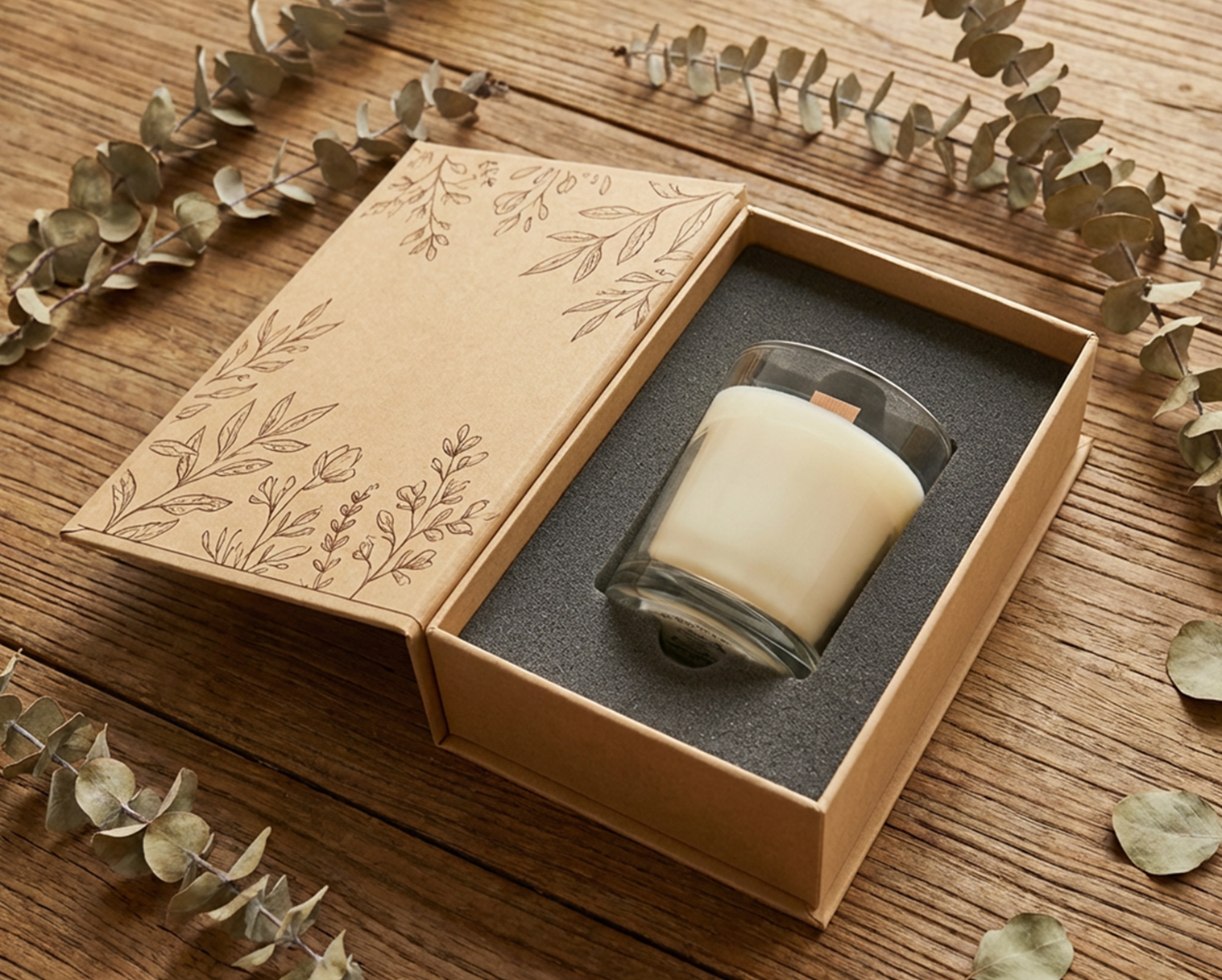
- The box itself is made from high-quality materials—think rigid board, wood crates, or metal tins—often with premium finishes like foil stamping or embossing that you can feel.
- À l'intérieur, the design is all about protection and presentation. Custom inserts or smart fillers hold everything securely so the items arrive looking pristine, not jumbled.
- Good boxes include storytelling elements. This could be a small card about the artisan who made the jam or serving suggestions that help the recipient get the most out of the experience.
- The unboxing itself is seamless. From the quality of the shipping carton to the feel of the ribbon and the personalized message card, every step is designed to feel special.
Types of Food Gift Box Structures
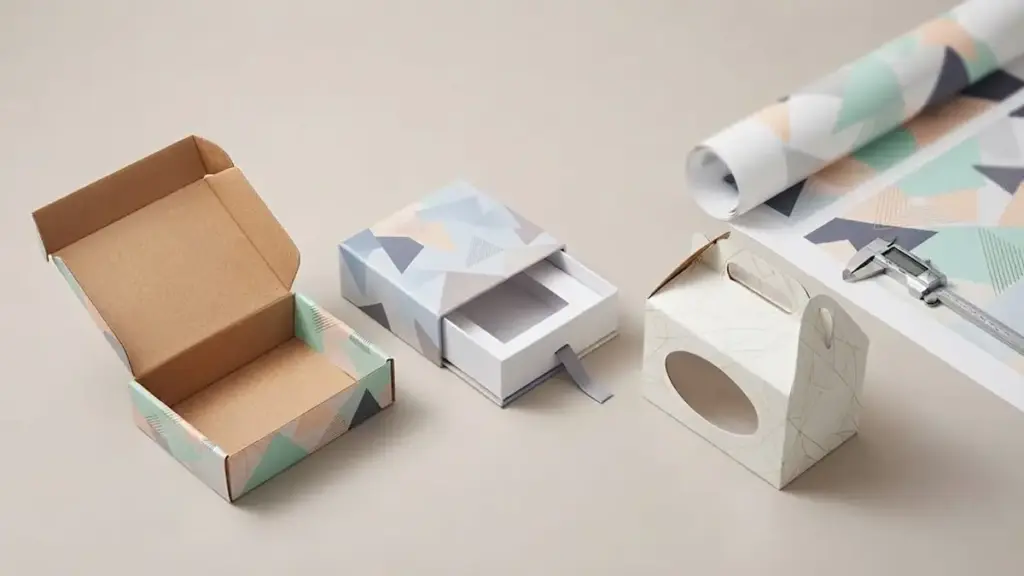
The choice in food gift box structures is a direct trade-off. Rigid boxes create a premium unboxing feel, while foldable and corrugated options prioritize efficiency and shipping protection.
Rigid Structures for a Premium Unboxing Experience
When you’re aiming for a high-end, luxury feel, rigid boxes are the standard. These are the non-collapsible boxes made from thick, dense paperboard that feels substantial in your hands. They immediately signal a premium product inside. You can’t fold them flat, which is exactly the point—their permanence communicates value and makes them ideal for reuse.
These structures are the go-to for delicate, high-value foods like artisan chocolates, pralines, or luxury tea assortments. Their strength makes them perfect for creating compartments and multi-layer presentations with inserts. This protects the items and creates a dramatic unboxing reveal.
Common formats in this category include:
- Couvercle et base (Two-Piece) Boîtes: The classic lift-off lid style, associated with premium gifts.
- Boîtes à fermeture magnétique: These open like a book and use hidden magnets for a clean, satisfying snap closure.
- Tiroir (Slide-Out) Boîtes: A rigid outer shell with an inner tray that slides out, creating a layered reveal.
For foods with any moisture or oil, these boxes are typically combined with an inner food-safe tray or liner to prevent any staining or leakage, keeping the premium exterior pristine.
Foldable and Corrugated Structures for Efficiency and Shipping
On the other side of the spectrum are structures built for practicality. These are perfect for brands that need to manage storage space, shipping costs, and transit protection, especially in e-commerce.
Foldable cartons are made from lightweight paperboard and are designed to be stored and shipped flat. This makes them highly cost-effective and efficient for warehousing. They are great for mid-range gifts like cookies and dry snacks, or for seasonal collections that need to be assembled in-store. While less substantial than rigid boxes, they offer excellent printing flexibility for branding.
Boîtes en carton ondulé, including mailer boxes, are all about protection. The fluted inner layer gives them superior strength and structural integrity for shipping. This makes them essential for any food gift box sold online or containing heavy, fragile items like glass jars or bottles. A well-designed corrugated mailer can serve as both the shipping box and the presentation box, often with high-quality printing on the inside to enhance the unboxing experience.
Stand Out with Fully Custom Rigid Boxes
Choosing Food-Safe Materials
Food safety in packaging hinges on one key distinction: direct versus secondary contact. Your choice of materials, revêtements, and inks depends entirely on which side of that line they fall.
Distinguishing Direct vs. Secondary Contact
The first question to answer is simple: will the material touch the food? This splits your packaging into two clear categories.
Direct-contact packaging includes any inner trays, bags, or wraps that touch the food itself. These materials must be certified food-grade. They can’t transfer any unwanted substances, smells, or tastes. Your choice here depends on the food’s characteristics—its grease level, moisture content, and how long it will be in the box. A simple paper wrap won’t work for an oily pastry.
Emballage secondaire is the outer gift box, manche, or decorative cover. Because the food is already wrapped, this layer doesn’t touch it directly. This gives you more freedom to use luxury materials like rigid paperboard, specialty papers, or even wood. The main rule here is to avoid materials with strong odors or inks and glues that could migrate through the inner packaging and affect the food’s quality.
Most premium food gift boxes use a layered system: certified food-safe inner packaging for protection and hygiene, surrounded by a premium outer box focused on the brand experience.
Selecting Compliant Substrates, Revêtements, and Inks
Once you’ve defined the role of each packaging layer, selecting the right materials becomes a technical decision, not guesswork. You need to balance safety, performance, et perception de la marque.
Substrates: For direct food contact, paper and paperboard are excellent choices, but not all are created equal. Virgin kraft paper is a safe bet for dry goods like pastries and snacks because it has minimal chemical processing. For premium cartons, food-contact grade SBS paperboard is common. For the outer luxury box, most brands use a thick greyboard or chipboard core wrapped with a high-quality coated art paper that takes print and finishes well.
Revêtements & Liners: Paper-based materials almost always need a barrier to handle grease or moisture. These coatings become the new food-contact surface and must be compliant.
- Aqueous coatings are water-based and non-toxic, offering basic moisture resistance for things like chocolate boxes.
- Polyethylene (PE) revêtements create a thin plastic layer that makes paperboard grease-proof and leak-proof, necessary for oily snacks or moist items.
- PLA coatings are a plant-based, compostable alternative to PE, used by brands with a strong sustainability focus.
Inks & Adhésifs: Any ink or glue used on or inside food packaging must be non-toxic and low-odor. For printing on outer boxes, always specify soy-based or water-based inks. They have lower VOCs and produce vibrant colors without the risks of old-school petroleum inks. Adhesives used to construct the box should be food-grade, especially for sealed boxes holding sensitive products like tea or chocolate where odors can easily transfer.
Inserts for Gourmet Products
Gourmet box inserts have two jobs. Structural inserts protect products like jars and pastries, while promotional inserts tell your brand’s story and build customer loyalty.
Structural Inserts for Protection and Presentation
The first job of an insert is making sure your product arrives in one piece. These are the workhorses of the unboxing experience, engineered to absorb shocks and prevent items from moving during shipping. They are not just filler; they are a critical part of product integrity.
- They hold items like jars, bouteilles, and delicate pastries securely in place. Each insert is custom-designed to fit the precise geometry of your products, eliminating any rattling or collisions in transit.
- Common materials include die-cut paperboard, shock-absorbing foam, eco-friendly molded fiber, and thermoformed plastic trays often used for chocolates or confectionery.
- The material and finish directly reflect your brand’s image. An organic brand might choose a raw kraft paperboard insert, but a luxury chocolatier will likely use high-density foam with a velvet finish to signal premium quality.
Promotional Inserts for Branding and Storytelling
Once the product is safe, the insert’s next job is to sell. Promotional inserts turn the unboxing moment into a direct line of communication with your customer, deepening the brand experience beyond the product itself.
- They are your platform for brand storytelling. Usually appearing as printed cards or small booklets, they can explain a product’s origin, highlight the maker’s craftsmanship, or suggest food and drink pairings.
- This is a direct marketing channel. Many brands include QR codes linking to their website, discount offers for future purchases, or invitations to join a loyalty program to drive customer engagement.
- They also handle the critical details. This is where you provide essential information like storage instructions, serving suggestions, and any necessary allergy warnings to build trust and help the recipient.
Seasonal & Holiday Gift Packaging
Seasonal packaging isn’t just decoration. It’s a strategic lever for limited editions, creating urgency and justifying premium pricing during peak gifting seasons.
Designing for the Season: Matériels, Colors, and Structures
When designing for holidays, the focus is on signaling the occasion while reinforcing a premium feel. The current trend heavily favors sustainable choices that still feel luxurious. This means a move towards paper-first, mono-material designs like rigid paperboard and kraft boxes. The goal is to make recycling straightforward. Even the finishes are strategic—using foils and embossing sparingly on sustainable papers to add a touch of luxury without ruining recyclability.
Color palettes are your most direct tool for signaling a specific holiday. You can’t go wrong by sticking to culturally recognized schemes, but modern brands often use muted or unexpected variations to stand out.
- Christmas: Deep Green, Cranberry Red, and Champagne Gold are the classic choices. For artisanal brands, rustic kraft with red and green accents works well.
- New Year’s: This holiday calls for sleek, celebratory colors. Think Metallic Silver, Chrome Black, and Platinum Gold, which pair perfectly with luxury snacks and beverages.
- Broad Appeal: Red and gold are almost universally associated with festivity and prosperity, making them a safe bet across many cultures.
The box structure itself needs to balance protection, display presence, and sometimes, reusability. Rigid boxes are the go-to for high-end food gifts because they feel substantial and protect the contents well. For brands with high e-commerce volume, collapsible gift boxes are a smart logistical choice because they ship and store flat. Some brands even design packaging that doubles as holiday decor, like a box that transforms into a table centerpiece, extending its value beyond the unboxing.
Branding for the Moment: Unboxing, Messaging, and Operations
The unboxing experience for a seasonal gift needs to feel special. It’s a layered process designed to build anticipation. This involves using themed tissue paper, branded stickers, and sometimes interactive elements like QR codes that link to holiday recipes or playlists. Adding small, thoughtful extras also elevates the experience and makes the brand more memorable.
- Postcards or recipe cards
- Pairing guides for the food inside
- Branded stickers or bookmarks
From a branding perspective, consistency is key. Successful brands create a defined seasonal “brand kit”—a set of colors, icônes, and a tone of voice for each holiday. This ensures the look is consistent across the gift box, shipping materials, and online marketing. For global brands, a common model is “global structure, local surface,” where a standard box is adapted with region-specific artwork and greetings using digital printing.
Operationally, seasonal packaging requires smart planning. You have to lock in designs and place orders well in advance to avoid peak-season rush fees and delays. To manage inventory and cost, many brands use a modular system. Instead of producing entirely new boxes for each holiday, they use festive sleeves, belly bands, or stickers on their standard, year-round packaging. This is a budget-sensitive way to add seasonal flair without overhauling your entire packaging supply chain.
Sustainable Gift Box Solutions
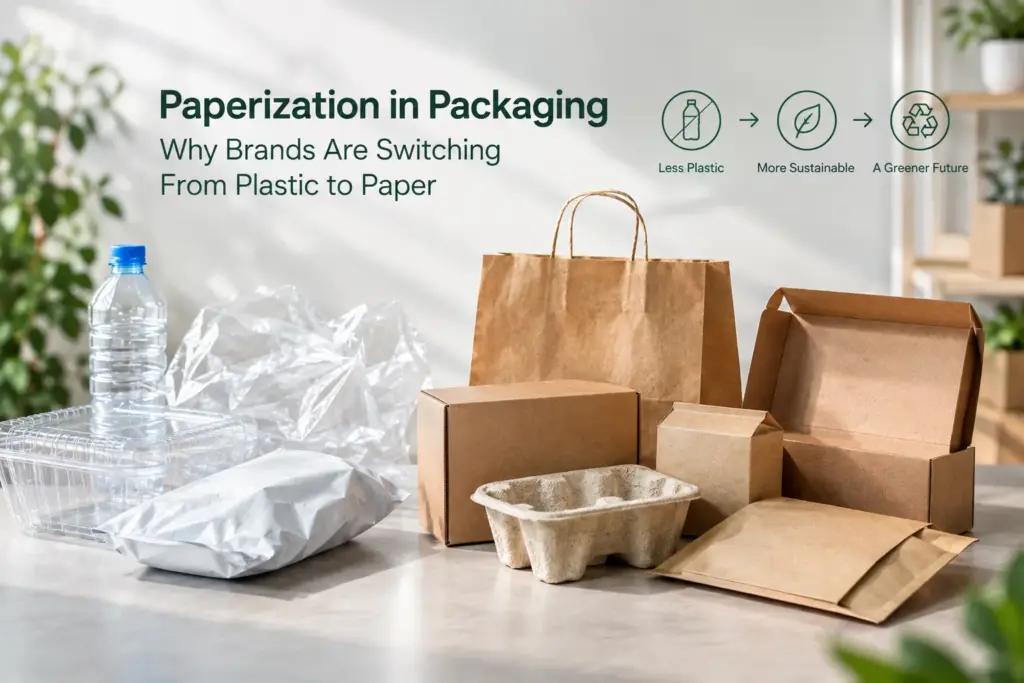
Sustainable gift boxes blend eco-friendly materials with responsible design, meeting modern consumer values without sacrificing the premium unboxing experience.
For premium food gifting, sustainability isn’t just a trend; it’s a core value driver. Brands are moving beyond simple claims and integrating responsible practices into their materials, conception, and supply chain. This means creating a luxury experience that also aligns with responsabilité environnementale, from the choice of paperboard to the operational efficiency of the manufacturer.
Eco-Friendly Materials and Finishes
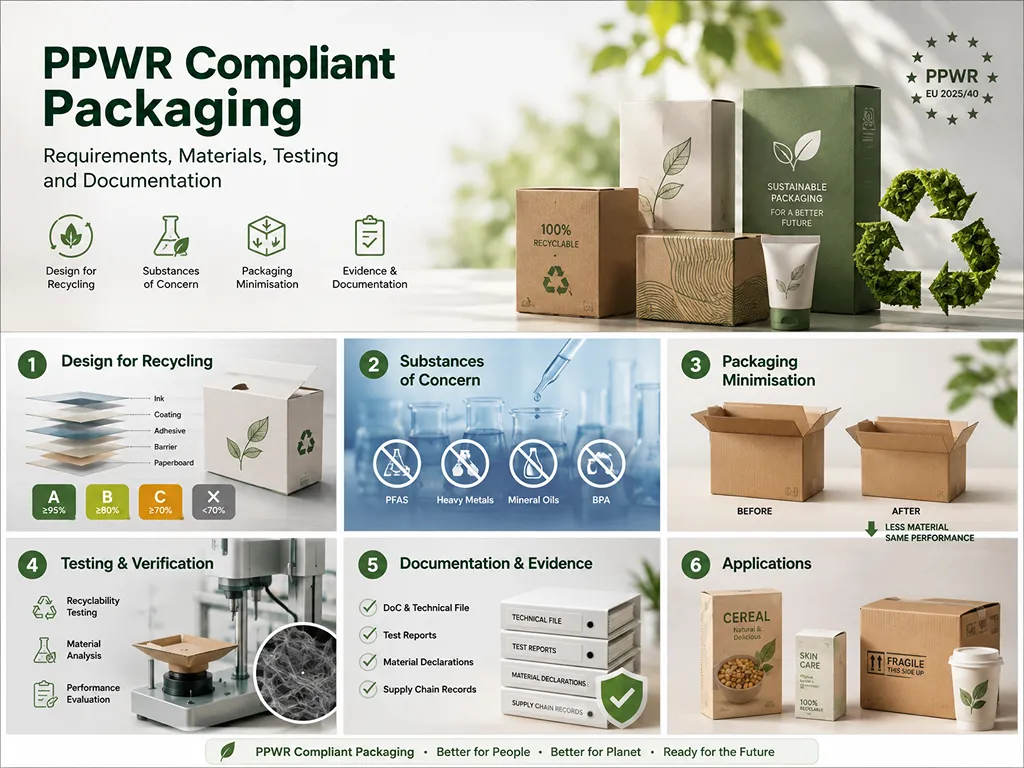
The foundation of a sustainable gift box is its material composition. The goal is to reduce environmental impact while maintaining a high-end look and feel. This involves a deliberate shift away from problematic plastics and coatings toward circular, paper-first solutions.
- Use paperboard with high recycled content for box structures. Combining this with FSC-certified fibers ensures you support both a circular economy and responsibly managed forests. This approach applies to rigid boxes, cartons pliants, and sleeves.
- Select biodegradable or compostable inserts, especially for components with direct food contact. Molded pulp trays are an excellent replacement for plastic, providing protection and a premium texture while being fully recyclable and often compostable. Always ensure these materials are certified compliant with regulations like those from the FDA.
- Choose low-impact printing and finishing. Avoid plastic lamination, which hinders recycling. Plutôt, opt for water-based coatings for protection. Tactile finishes like embossing or debossing can create a luxury feel without adding non-recyclable layers, keeping the final product within the paper recycling stream.
Responsible Design and Operations
Beyond materials, sustainable packaging requires smart structural design and a responsible supply chain. Every decision, from box dimensions to supplier selection, contributes to the overall footprint.
- Design right-sized packaging to eliminate wasted space and materials. Over-packaging damages sustainability credentials. Replace plastic void fillers like bubble wrap or air pillows with paper-based alternatives such as crinkle paper, honeycomb structures, or recycled tissue paper.
- Create durable, modular box designs that encourage a second life. A well-made rigid box can become a keepsake storage item. Using modular inserts allows the same outer box to be adapted for different product assortments, reducing tooling costs and waste across your product lines.
- Partner with manufacturers who can prove their commitment to sustainability. Vet suppliers for lean production methods, efficient energy and resource management, and robust internal recycling programs. A responsible partner minimizes waste throughout the entire supply chain, not just in the final product.
How to Choose a Packaging Manufacturer
Choosing a partner for premium food boxes boils down to two things: verifying their technical ability with food-safe materials and scrutinizing their commercial and logistical reliability. Get either wrong, and your brand pays the price.
When you’re vetting a potential packaging manufacturer for a premium food gift box, you’re not just buying a box. You’re buying their expertise, their quality control, and their ability to deliver on time. Your brand’s reputation is literally in their hands. The evaluation process needs to be split into two distinct areas: their technical skills and their business operations. One without the other is a recipe for disaster.
Here’s a no-nonsense checklist of questions to ask. Don’t settle for vague answers; demand specifics and documentation.
| Technical Capability and Food Safety Assessment | Commercial and Logistical Evaluation |
|---|---|
SpecializationDoes their portfolio show actual experience with premium food gift boxes for products like chocolates or gourmet sets, or is it filled with generic consumer electronics packaging? |
Prototyping & SoutienWhat are the real lead time and cost for a structural “échantillon blanc” versus a fully printed prototype? Is the sample cost rebated on a full production run? |
Structural ExpertiseCan they produce complex structures like magnetic closures, boîtes à tiroirs, and custom-fit inserts (Mousse EVA, pâte moulée)? Ask for physical examples. |
Pricing TransparencyDoes the quote clearly break out unit costs, tooling fees (dielines, molds), and sampling charges? Or is it one bundled, opaque number? |
Impression & FinitionDo they offer high-quality offset printing and the premium finishes that matter—hot foil stamping, gaufrage, and specialty laminations? Can they match brand colors accurately? |
MOQ & ÉvolutivitéWhat is the real Minimum Order Quantity for a fully custom box? Plus important encore, can they scale production to handle seasonal demand surges without a drop in quality? |
Food Safety ComplianceCan they provide current, valid certifications (like FDA or EFSA) for all materials and liners that will touch the food? Vague promises aren’t enough—demand the paperwork. |
Production Lead TimesWhat is their standard mass production lead time *after* sample approval? Get a confirmed window in writing, not a loose estimate. |
Material SourcingIs their paperboard FSC-certified? Can they provide third-party material safety reports (Par exemple, from SGS) for the board, encres, and adhesives? |
Logistique & ExpéditionDo they have documented experience with protective export packaging and managing international freight? Or will your shipment be their learning experience? |
Contrôle de qualitéWhat is their documented QC process? Ask to see their checklist for structural integrity, color consistency across a run, and assembly accuracy. |
Reputation & ReferencesCan they provide recent, contactable references from other food or gourmet brands of a similar scale? Speaking to a current customer is non-negotiable. |
Questions fréquemment posées
What is a premium food gift box?
A premium food gift box is a curated selection of high-quality, artisanal food and beverage items presented in upscale packaging. Unlike standard assortments, it focuses on superior ingredients, a cohesive theme, and a memorable unboxing experience to deliver a high-value gift for personal or corporate occasions.
Are food gift boxes recyclable?
Many are, but it depends on the materials. Plain paper and cardboard boxes are widely recyclable if they are clean and dry. Boxes with plastic lamination, foil, glitter, or magnetic closures are often not accepted in standard recycling streams. For a box to be recyclable, you usually need to remove non-paper additions like ribbons and plastic windows.
How can I protect fragile food items like glass jars or chocolates?
Protection requires a layered system. D'abord, immobilize each item using custom inserts or dividers made from paperboard or molded pulp so they cannot move. Deuxième, use cushioning materials like paper fill to absorb shocks. For especially fragile items like glass bottles, wrap them individually and consider placing the main gift box inside a larger, cushioned shipping box (double-boxing).
Can I customize a food gift box?
Oui, customization is a key feature of premium food gift boxes. You can typically customize the product selection to fit a theme or dietary need, the packaging design with custom logos and colors, and the messaging with personalized notes. This is especially common for corporate gifting.
What is the typical production time for custom food gift boxes?
For a new custom rigid gift box, the total process from design to delivery often takes 6 à 10 semaines. This includes design, échantillonnage, et expédition. The manufacturing phase alone usually takes around 20 à 25 days after the design is approved. Timelines can be longer during peak holiday seasons.
What does MOQ mean and what is it for gift boxes?
MOQ stands for Minimum Order Quantity, which is the smallest number of boxes a supplier will produce in a single run. For premium food gift boxes, the MOQ is driven by the high setup costs of custom printing and special finishes. While it can be as low as 50 units for simple digital prints, a typical MOQ for custom rigid boxes with finishes like foil stamping is often between 500 et 1,000 unités.
Pensées finales
You now have the technical framework for designing a premium food gift box. The choice is not between a cheap box and an expensive one; it’s between a package that builds your brand and one that risks destroying it. Every detail, from food-safe certifications to the weight of the paperboard, is a direct investment in customer loyalty and perceived value.
Reading about quality is one thing, but verifying it is what matters. Your next step is to get physical samples to evaluate the structure, finition, and material performance firsthand. Contactez notre équipe to discuss your project specifications and move forward with a production-grade prototype.