Los chocolates caseros contienen algo que los regalos producidos en fábrica a menudo tienen dificultades para recrear: evidence that someone took the time to make them.
That personal quality can disappear quickly, sin embargo, when the chocolates are placed loosely in an oversized container, wrapped in materials that are not suitable for food contact, or shipped in a decorative box that was never designed for parcel delivery.
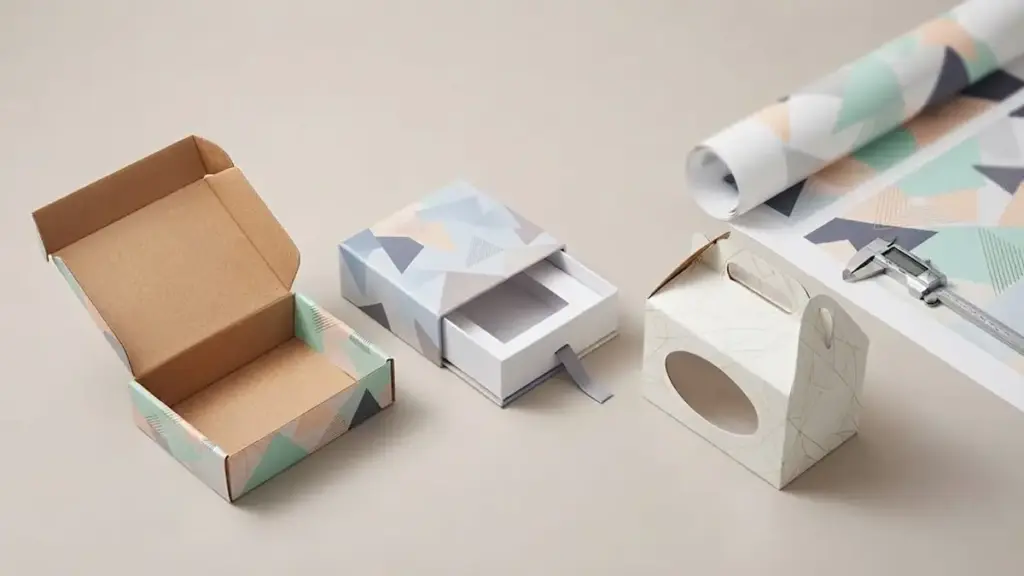
For most homemade chocolate gifts, the best starting point is a two-piece paper box or folding carton fitted with food-grade paper cups and a correctly sized insert. The right combination depends on the chocolate shape, the number of pieces, the occasion and whether the box will be handed over locally or shipped.
Commercial requirements are different from one-off personal gifts. A chocolatier producing 500 seasonal boxes has to think about packing speed, consistent dimensions, food-contact documentation, stock control and freight—not only ribbon color.
This guide is therefore written for two groups:
- People preparing polished homemade chocolate gifts
- Chocolatiers, bakeries, corporate gift suppliers and growing confectionery brands developing packaging at commercial volumes
PackCCP manufactures custom chocolate packaging for businesses supplying the United States, Canadá, Australia and other international markets.
Quick answer:
Use a fitted paper gift box for presentation, certified food-contact components around the chocolates and a separate corrugated carton for shipping. Do not expect one decorative box to perform all three jobs.
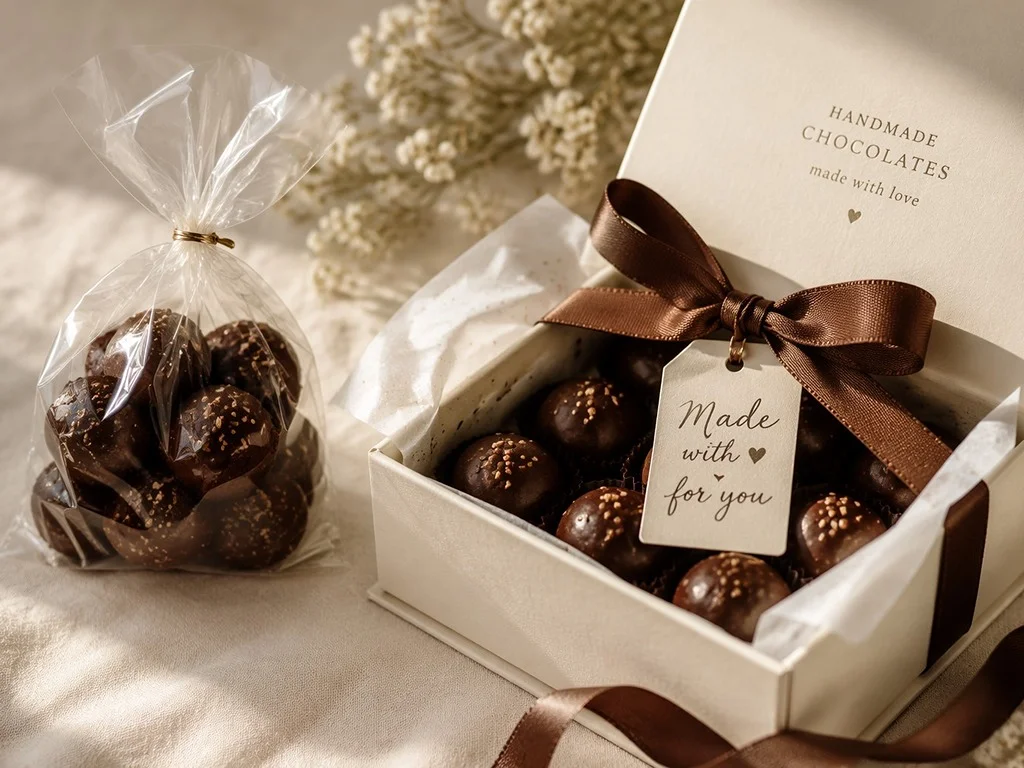
Why Elegant Packaging Makes Homemade Chocolates More Giftable
A recipient begins forming an opinion before tasting the first chocolate.
They notice whether the lid lifts cleanly. They see whether the truffles sit in straight rows or have collected in one corner. They feel the paper surface and register whether the colors belong together.
None of these details changes the recipe, yet they influence how carefully the gift appears to have been prepared.
Consider two identical nine-piece bonbon selections.
One is placed in a generic container with tissue filling the empty space. The other is arranged in individual cups inside a fitted two-piece box, with a small card identifying each flavor.
The second version feels more complete because the presentation answers several questions immediately:
- Is this a finished gift?
- Has each piece been handled carefully?
- Can I identify the flavors?
- Will the chocolates stay in place when the box is carried?
- Does the packaging belong to the product?
Elegant packaging does not have to mean a complicated rigid box. A well-proportioned folding carton, a clean lid-and-base structure or a simple sleeve can look convincing when the fit is right.
What Actually Creates a Premium Impression?
It is usually not the number of decorative finishes.
Premium chocolate packaging tends to rely on a few disciplined decisions:
- Consistent spacing around each piece
- A box size that feels full without being crowded
- Paper that suits the product price
- One controlled visual focal point
- A clear opening sequence
- Minimal movement inside the box
- Food-contact materials that do not undermine the presentation
For small brands, fit often contributes more to perceived quality than expensive foil or elaborate artwork. A poorly fitted luxury box still feels poorly made.
Best Paper Gift Box Styles for Homemade Chocolates
There is no single best chocolate box structure for every product.
A four-piece wedding favor, a twelve-piece truffle collection and a set of three wrapped chocolate bars create different structural demands. The selling price and distribution method matter as well.
| Box Style | Presentación | Protección | Best Application | Main Limitation |
|---|---|---|---|---|
| Folding carton | Standard to premium | Moderado | Verja, favors and small assortments | Usually needs a separate insert |
| Two-piece lid-and-base box | De primera calidad | Bien | Truffles, bonbons and seasonal gifts | Lid depth and fit must be tested |
| Drawer box | De primera calidad | Bien | Tasting sets and limited editions | Excessive clearance makes the tray feel loose |
| Magnetic rigid box | Luxury | Alto | Corporate gifts and high-value collections | Higher production and freight cost |
| Sleeve-and-tray box | Modern | Moderado | Wrapped bars and minimalist ranges | Less suitable for heavy assortments |
| Corrugated mailer | Practical | Alto | Ecommerce and parcel delivery | Not a replacement for food-contact packaging |
Cartones plegables
Folding cartons are often the most practical route for small and growing chocolate businesses.
They are delivered flat, occupy less storage space than rigid boxes and can be produced in a wide range of structures. Individually wrapped bars, four-piece assortments and event favors generally do not require the weight or cost of a magnetic rigid box.
Useful formats include:
- Straight tuck cartons
- Reverse tuck cartons
- Auto-lock bottom boxes
- Sleeve-and-tray cartons
- Window cartons
- Folding cartons with integrated dividers
A folding carton becomes more distinctive through proportion, paper selection and artwork—not necessarily through multiple finishes.
One warning matters here: a printed folding carton should normally be treated as embalaje secundario unless the complete material system has been confirmed for direct food contact.
Two-Piece Chocolate Gift Boxes
The familiar lid-and-base box remains one of the strongest choices for assorted chocolates.
It opens naturally, accommodates fitted trays and works across a wide range of price points. A shallow lid feels light and accessible; a deeper lid creates a more substantial reveal.
Typical uses include:
- Four-, six-, nine- and twelve-piece bonbon selections
- Chocolate-covered fruit
- Mixed truffle assortments
- Seasonal gift collections
- Corporate thank-you gifts
The insert matters more than the outer shape. Without a fitted tray or cups, the chocolates can still gather in one area even when the exterior box looks perfect.
Cajas de cajones
A drawer box turns opening into a slower action. The recipient pulls the tray from the sleeve rather than lifting a lid.
That makes it suitable for tasting collections, limited editions and compact luxury gifts. A ribbon pull creates a traditional gift feel, while a thumb notch looks cleaner and uses fewer components.
The sliding tolerance requires attention. A drawer that is too loose feels inexpensive; a drawer that is too tight can become difficult to open after paper absorbs moisture or the wrapped components settle.
Cajas Rígidas Magnéticas
Magnetic boxes are most useful when the packaging has a commercial role beyond containing the chocolates.
They work well for:
- Executive gifts
- Influencer presentation kits
- Chocolate paired with wine accessories or serving tools
- Holiday collections with several product layers
- Keepsake packaging
They are rarely the most economical choice for casual homemade gifting. Rigid boxes arrive assembled unless a fold-flat structure is selected, increasing storage and shipping volume.
For businesses comparing premium structures, PackCCP’s guide to two-piece luxury boxes explains where a separate lid-and-base design may be more suitable than a magnetic closure.
Cajas de correo corrugado
A corrugated mailer solves a different problem.
Its job is to protect the presentation box from compression, abrasion and parcel handling. It should not normally be the only layer surrounding unwrapped chocolates.
For ecommerce, usar:
- A food-contact cup, wrapper, liner or sealed tray
- A presentation box
- A fitted corrugated shipping carton
This layered approach keeps the customer-facing box clean while the outer carton absorbs transit damage.
To understand how flute construction influences protection, see ¿Cómo se fabrica una caja de cartón corrugado??.
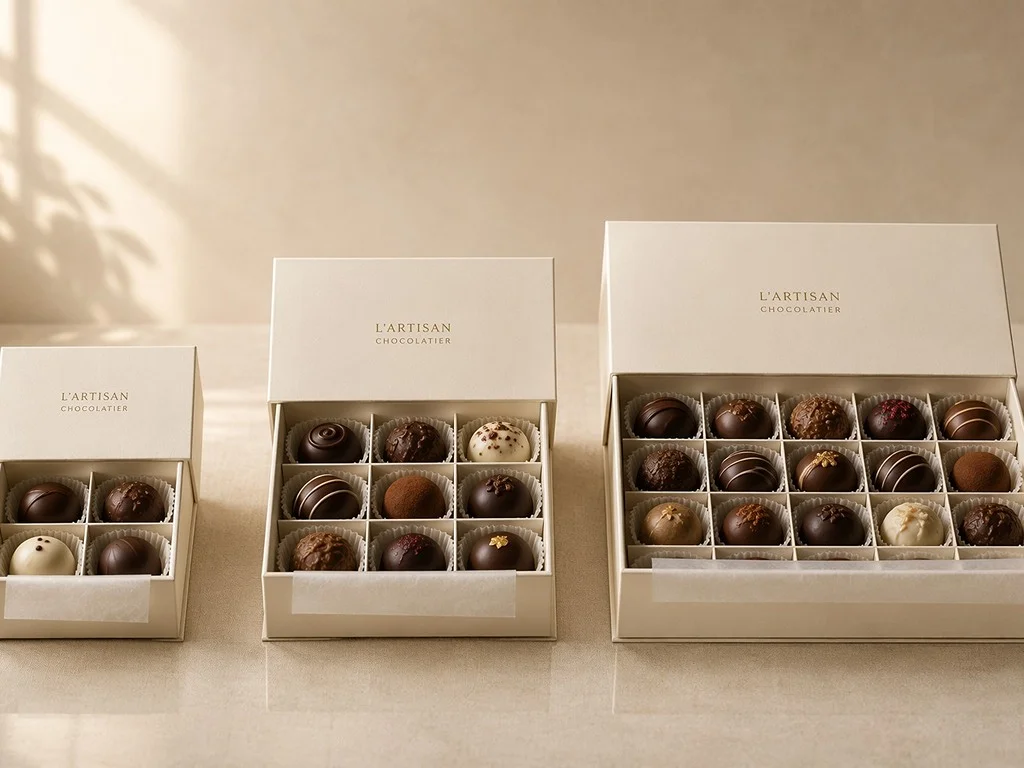
How to Match the Box Size to Your Chocolates
The correct box size does not begin with a supplier catalogue. It begins with the finished chocolates.
A mould may suggest the approximate dimensions, but coating, toppings, piping and hand decoration can change the final height and width. Measure the completed products after wrapping or placing them in paper cups.
Start With the Finished Arrangement
Before calculating the box, place a complete set on a flat surface in the intended layout.
Common arrangements include:
- 2 × 2 for four chocolates
- 2 × 3 for six chocolates
- 3 × 3 for nine chocolates
- 3 × 4 for twelve chocolates
- A single row for bars
- Mixed compartments for different shapes
Do not calculate dimensions by multiplying the chocolate width alone. The finished measurement must also include:
- Paper cups or wrappers
- Clearance between pieces
- Insert walls
- Outer tray walls
- Lid clearance
- A top pad, if required
- Flavor cards or information inserts
A nine-piece box can still fail even when the basic grid looks correct. One decorated bonbon may be taller than the other eight and touch the top pad. The answer is not always a taller outer box; sometimes the insert depth or top-pad cutout should change only around that piece.
Avoid Oversized Cavities
A chocolate should lift out without damage, but it should not have enough space to turn sideways.
Oversized cavities create three problems:
- The pieces move during carrying and shipping.
- Small chocolates look lost inside the box.
- The arrangement becomes inconsistent from one packed box to the next.
Loose shredded paper is not a precise substitute for a fitted insert. It may improve appearance temporarily, but it does not reliably control each piece.
Allow Clearance Where It Serves a Purpose
Clearance is functional, not decorative.
Allow additional space where:
- A bonbon has a domed top
- A garnish extends beyond the main body
- The customer needs room to lift the piece
- A food-safe top pad will be included
- The chocolate may expand slightly because of its wrapper
- A drawer tray needs to slide inside a sleeve
Too little clearance can damage decorations. Too much creates movement.
Approve the Physical Sample With Real Chocolates
A digital rendering cannot show whether foil catches on a sleeve edge, whether a paper cup collapses under a heavy truffle or whether the tallest piece touches the lid.
Before production approval:
- Load the actual chocolates.
- Close the box.
- Tilt it gently in several directions.
- Reopen it.
- Check position, surface contact and decoration damage.
- Time how long the box takes to pack.
Packing time becomes increasingly important when a business moves from 30 handmade gifts to 1,000 retail boxes.
The flat production drawing used to cut, crease and print the package is called a dieline. Read ¿Qué es una dielina en el embalaje?? before placing final artwork.
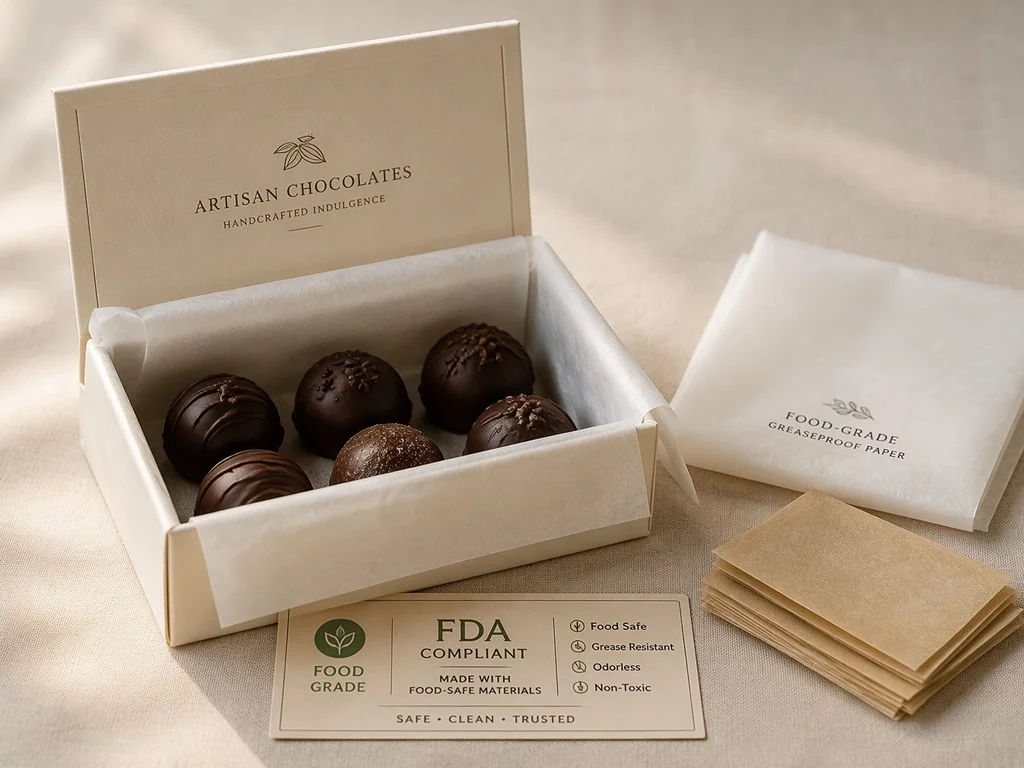
Food-Safe Packaging Materials for Chocolate Gifts
The most important material decision is not whether the outer box is kraft, white or black.
It is whether any component that touches the chocolate is suitable for that exact use.
Chocolate contains fat, and many chocolates include moist fillings, oils, fruit or dairy ingredients. Those characteristics affect how packaging materials, tintas, coatings and barriers should be selected.
Primary, Secondary and Transport Packaging
Chocolate gift packaging is easier to evaluate when divided into three layers.
| Packaging Level | Ejemplos | Propósito principal |
|---|---|---|
| Embalaje primario | Food-grade cup, wrapper, liner, tray or sealed film | Direct food protection |
| embalaje secundario | Folding carton, drawer box or rigid gift box | Presentation and grouping |
| Transport packaging | Corrugated mailer, insulation and cushioning | Shipping protection |
The decorative paper gift box is usually secondary packaging.
That distinction allows brands to use premium printed surfaces while keeping the chocolates behind a documented food-contact layer.
Suitable Food-Contact Components
Depending on the recipe and format, possible options include:
- Certified food-grade paper cups
- Glassine liners
- Grease-resistant paper
- Approved parchment
- Food-contact tissue
- Suitable cellulose film
- Foil wrappers with paper sleeves
- Formed food-grade trays
- Paperboard inserts with a verified barrier
Natural-looking materials are not automatically safe. Brown kraft paper, decorative tissue, printed metallic sheets and general-purpose adhesive should not touch food unless the supplier documentation covers the intended application.
Estados Unidos
The U.S. Food and Drug Administration treats packaging components such as adhesives, colorants, coatings and antioxidants as potential food-contact substances when they come into contact with food. Suitability depends on the type of food and the expected conditions of use, including storage temperature and contact time.
Buyers should review the FDA’s food packaging and food-contact substance information and request documentation for the complete material combination rather than relying on the name of the base paper.
The FDA announced in February 2024 that PFAS-containing grease-proofing agents for paper and paperboard food packaging were no longer being sold into the U.S. mercado. Brands buying grease-resistant paper should use current declarations rather than reusing outdated specifications.
Canadá
Under Canadian requirements, food must not be sold in packaging that may transfer harmful substances to its contents. Responsibility remains with the food seller, although packaging materials may be submitted voluntarily to Health Canada for a pre-market chemical safety assessment.
Health Canada’s packaging materials guidance explains the process and the status of letters of no objection.
Australia
Food businesses in Australia must use packaging that is fit for purpose, unlikely to contaminate the food and handled in a way that does not introduce contamination.
The guidance from Food Standards Australia New Zealand also notes that migration risk can depend on the food type, temperature, humedad, storage time and whether the material has direct or indirect contact.
Practical Material Check
| Component | Direct Contact? | Typical Use | What to Confirm |
|---|---|---|---|
| Food-grade paper cup | Sí, when documented | Truffles and bonbons | Grease resistance and intended use |
| Glassine liner | Sí, when documented | Separating food from the box | Supplier declaration |
| Printed folding carton | Usually secondary | Retail presentation | Food remains behind a barrier |
| Rigid greyboard box | Usually secondary | Premium gift box | Use an internal food-safe layer |
| Corrugated mailer | No | Parcel protection | Food remains sealed inside |
| Decorative tissue | Not automatically | Visual presentation | Food-contact suitability |
| Paperboard insert | Depends on construction | Product positioning | Papel, revestimiento, ink and adhesive |
| Foam insert | Usually no | Non-food gift products | Avoid direct food contact |
A certificate for the base paper does not automatically cover printing ink, laminación, adhesive or a newly added coating. Ask what the documentation actually applies to.
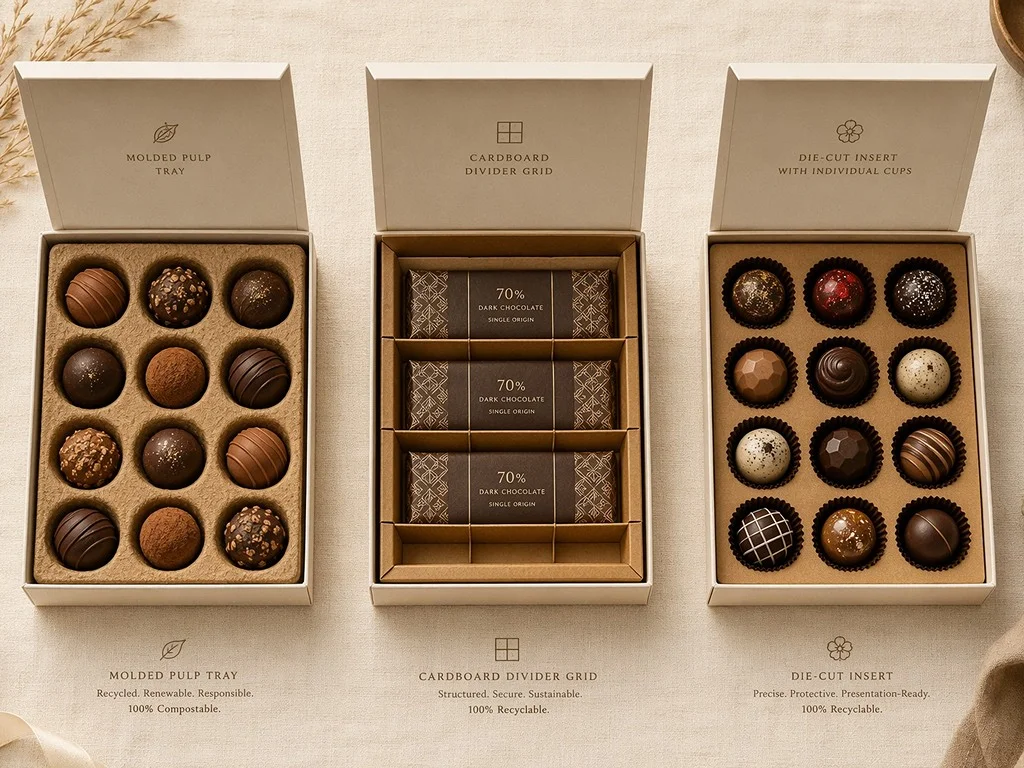
Protective Inserts for Truffles, Bars and Bonbons
An insert does not merely make the box look tidy.
Its job is to control the position of each chocolate without damaging the surface or slowing the packing process.
The best insert is often the least visible part of the finished package, yet it determines whether the assortment still looks intentional after delivery.
Paperboard Cavity Inserts
A die-cut paperboard insert works well for bonbons and chocolates with relatively consistent dimensions.
It can provide:
- Individual positioning
- Repeatable packing
- Reduced surface contact
- A paper-dominant appearance
- Efficient flat-sheet production
Cavity design should follow the finished piece, not only the mould.
For chocolates with delicate sides, the opening should support the base without gripping decorated surfaces. A cavity that is too tight may leave marks when the product is removed.
Paper Cups
Paper cups remain one of the simplest ways to separate truffles.
They are useful because they:
- Reduce direct contact between pieces
- Make products easier to lift
- Hide minor differences in handmade dimensions
- Create a consistent visual rhythm
Choose the cup after checking both the chocolate and the insert. A cup that fits the chocolate may still be too large for the cavity, creating wrinkles or instability.
Color changes the final impression considerably:
- Brown and cream feel traditional
- White feels clean and contemporary
- Black creates stronger contrast
- Gold works for celebratory collections
- Pastels suit weddings and spring gifting
Dividers for Chocolate Bars
Wrapped bars usually need alignment rather than individual cavities.
A sleeve, divider or stepped paperboard tray can prevent corners from colliding and keep flavor labels visible. When several bars share one gift box, a divider also stops the stack from collapsing to one side.
Para marcas en crecimiento, interchangeable bar dividers can reduce the need to buy a completely different outer box for each assortment.
Top Pads and Layer Pads
A food-safe top pad can reduce vertical movement, but it should not press against tall decorations or soft fillings.
The pad should control the empty height gently. It is not a substitute for a box that is much too deep.
Insert Selection Table
| Chocolate Type | Recommended Insert | Main Risk Controlled |
|---|---|---|
| Round truffles | Paper cups with cavity tray | Rolling and surface contact |
| Moulded bonbons | Precision-cut cavity insert | Scratching and movement |
| Wrapped bars | Sleeve or paperboard divider | Corner damage and shifting |
| Chocolate-covered fruit | Deeper supported cavity | Compression and moisture contact |
| Mixed assortment | Multi-size custom cavities | Uneven movement |
| Thin chocolate shapes | Layered tray with top pad | Breakage |
| Multi-level collection | Stacked trays with separation pad | Layer collision |
A Useful Test Buyers Often Skip
Turn the packed box on its side for several seconds, return it to the normal position and reopen it.
This is not a formal transit test. It is a fast way to discover whether the insert controls movement in more than one direction.
A box can look stable on a table and still fail as soon as it is carried vertically in a shopping bag.
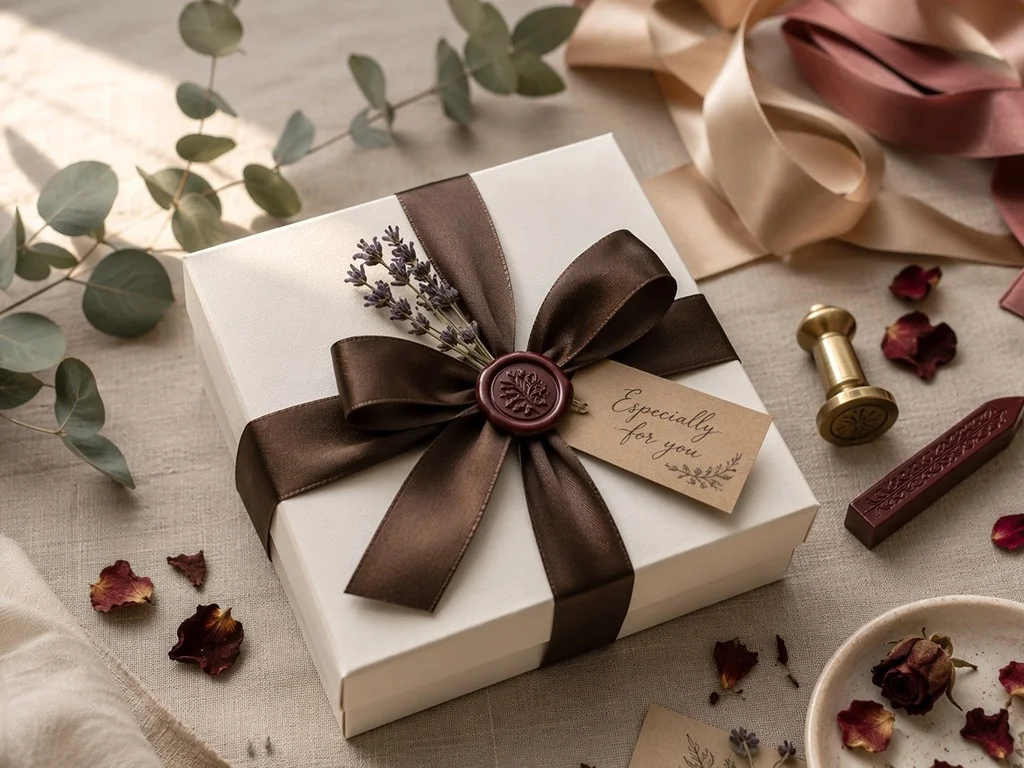
Creative Decoration Ideas for Chocolate Gift Boxes
Chocolate already has strong visual and emotional associations. Packaging does not need to compete with it.
A coherent box normally begins with one idea: heritage, season, ingredient origin, celebración, minimalism or craft.
Everything else should support that decision.
Build a Color Story Around the Product
Useful combinations include:
- Cocoa brown, cream and copper for artisan collections
- Deep green and champagne for Christmas gifting
- Blush, burgundy and gold for Valentine’s Day
- Blanco, sage and pastel shades for weddings
- Black with restrained metallic accents for dark chocolate
- Natural kraft with muted inks for organic positioning
The strongest color direction often comes from the chocolates themselves. Brightly painted bonbons may need a quieter box, while simple dark truffles can support a more expressive exterior.
Use Sleeves to Create Seasonal Variation
A branded sleeve allows the core box to remain unchanged while the visible design changes.
One structural box can support:
- Christmas editions
- Wedding names and dates
- Corporate logos
- Local events
- Limited flavors
- Retailer-exclusive collections
This reduces the number of complete box structures a small business must hold in inventory.
Apply Foil With Restraint
Foil works best as a focal point.
Good uses include:
- A logo
- A border
- A flavor name
- A small cocoa illustration
- A short message inside the lid
Covering large areas can increase cost and make the design feel less refined. It may also complicate material separation depending on the finishing construction.
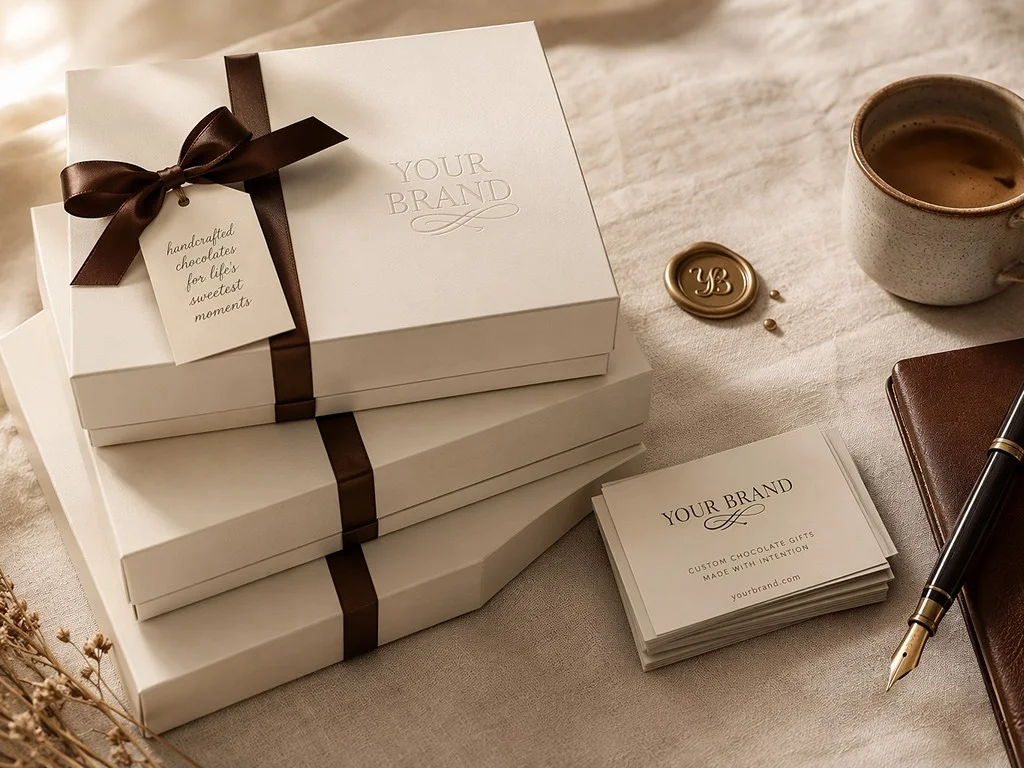
Use Embossing or Debossing for Tactile Detail
Embossing raises a design above the paper surface; debossing presses it inward.
Both can create a premium effect without adding another printed color. They work especially well on:
- Logos
- Monograms
- Cocoa bean patterns
- Brand initials
- Repeating geometric textures
The effect depends on paper and pressure. Fine details that look clear on screen may close up during embossing, so the artwork should be reviewed for production.
Make Product Information Part of the Design
A flavor guide can include:
- Chocolate name
- Filling
- Allergen information
- Best-before information
- Storage instructions
- Suggested tasting order
Rather than adding a large leaflet, consider printing the guide inside the lid or on a compact removable card.
Leave Room for a Personal Message
Homemade and small-batch chocolates should not become so polished that they lose their personal quality.
A small blank area on a tag, sleeve or card gives the sender room to add a name or handwritten message.
International Chocolate Packaging Cases Worth Studying
Good reference projects are useful when they are treated as lessons rather than templates to copy.
Sonhab: Packaging That Removed a Production Bottleneck
PakFactory’s Sonhab chocolate packaging case study shows how a small-batch brand replaced slow hand-wrapping with a structurally engineered folding carton.
The case reports that hand-wrapping 100 bars previously required more than 11.5 horas, while the new adhesive-free carton reduced the process to minutes and supported wholesale expansion. The useful lesson is not the visual style; it is how packaging design can improve operational capacity.
Godiva: Turning the Lid Into the Main Design Feature
Diamond Packaging’s Godiva Nouveau gift box case study uses an intricate die-cut paperboard lid, foil and embossing to establish a consistent holiday identity.
The project demonstrates how structure and finishing can work together without relying on an ordinary printed lid.
Cadbury Roses: Replacing a Tin With Paper-Based Packaging
Opal’s Cadbury Roses case study describes a paper-based limited-edition box developed as an alternative to a traditional tin.
According to the case, the paper-based format was 70% lighter than the tin while supporting presentation, sharing and a premium unboxing experience.
Alter Eco: Reducing Material Weight
Amcor’s Alter Eco chocolate wrap case study reports a paper-based wrap that achieved up to a 61% weight reduction compared with the previous structure and was designed for recycling in the French paper stream.
This is a useful example of measurable material reduction rather than a broad, unsupported sustainability claim.
Eco-Friendly Paper Packaging for Homemade Chocolates
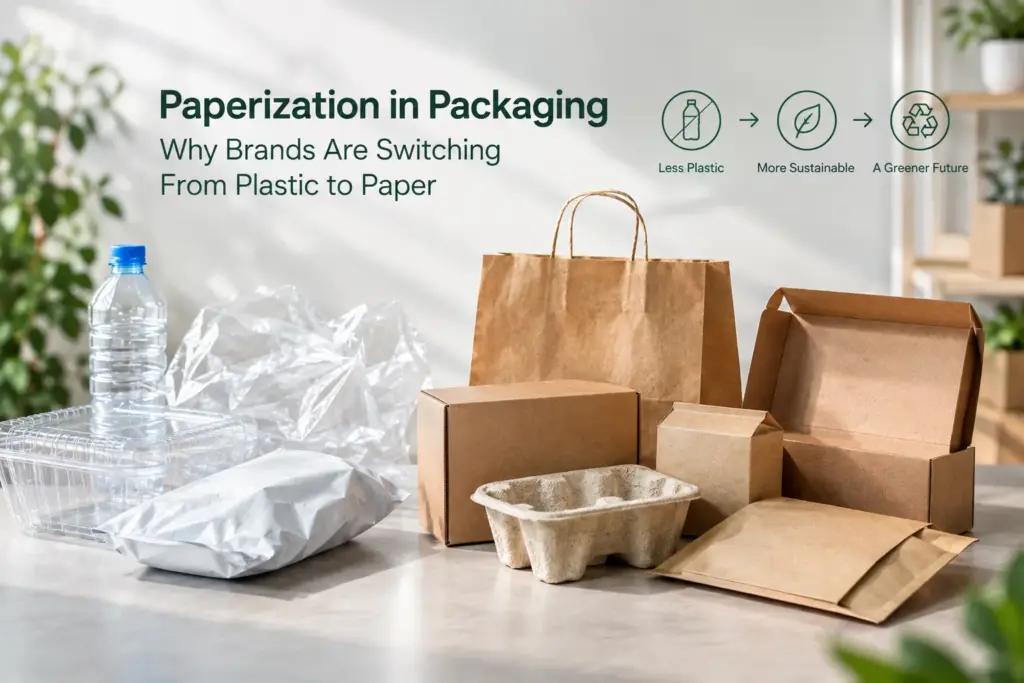
Paper can support a lower-plastic packaging direction, but “paper” is not a complete environmental claim.
A box may still include a plastic window, film lamination, imanes, espuma, capas metalicas, synthetic ribbon and several adhesives. The complete construction determines how easily the recipient can separate and dispose of it.
Prefer a Paper-Dominant Structure
A paper-dominant chocolate package may combine:
- Folding paperboard
- Corrugated board
- Paperboard cavity inserts
- Paper sleeves
- Paper information cards
- Minimal labels
- Carefully selected coatings
The aim is not to replace every component with more paper. It is to avoid components that do not perform a useful function.
Specify FSC-Certified Material Correctly
FSC chain-of-custody certification tracks eligible forest-based materials through the supply chain. A finished package may use an FSC claim only when the applicable material, manufacturer and certification requirements are met.
Review the official FSC chain-of-custody guidance before approving claims or placing an FSC label on artwork.
FSC certification relates to responsible sourcing. It does not by itself prove that a package:
- Is recyclable everywhere
- Is compostable
- Is plastic-free
- Is suitable for direct food contact
- Has a lower carbon footprint
Those are separate claims requiring separate evidence.
Design Components for Separation
Recycling becomes more practical when the customer can identify and separate materials.
Possible improvements include:
- A removable paperboard insert
- No plastic window
- A smaller removable window where visibility is necessary
- Detachable ribbon
- Minimal adhesive
- Separate presentation and transit boxes
- Printed disposal instructions
Recycle BC lists paper candy and chocolate boxes as accepted paper items but instructs residents to remove plastic windows from boxboard candy packaging. Local acceptance varies, so disposal wording should not imply universal recyclability. See Recycle BC’s chocolate packaging guidance.
Use Specific Environmental Language
Prefer:
- Made with FSC-certified paper
- Paperboard insert
- Designed with reduced plastic content
- Remove ribbon before recycling
- Recyclable where local facilities accept this material
- Plastic window can be separated from the paper box
Avoid:
- 100% verde
- Completely sustainable
- Zero impact
- Environmentally harmless
- Fully recyclable everywhere
Precise claims are more credible and easier for buyers, retailers and consumers to understand.
PackCCP discusses further material and structural choices in The Best Eco-Friendly Chocolate Gift Boxes.
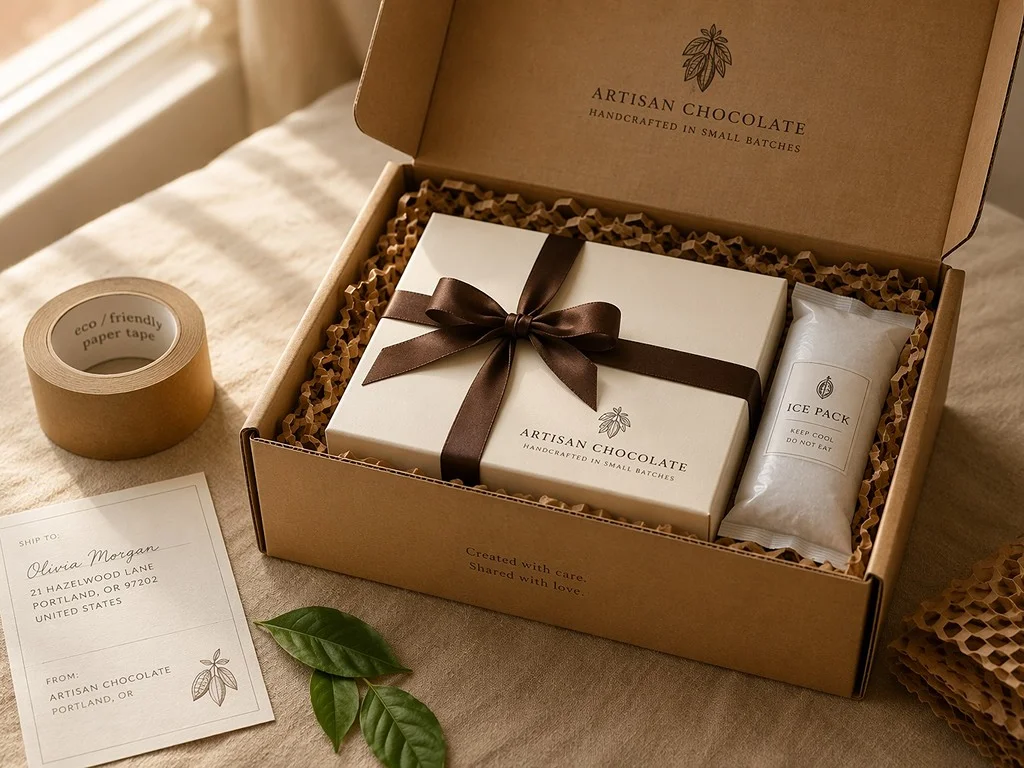
How to Package Chocolates for Delivery and Shipping
A gift box that performs well during local handover may fail during parcel delivery.
Chocolate shipping combines two separate risks:
- Physical damage to the pieces and box
- Temperature damage to the chocolate
A stronger carton cannot solve excessive heat, and insulation cannot stop chocolates from colliding inside an oversized tray.
Use Three Packaging Levels
A shipped chocolate order should normally include:
Embalaje primario
A food-contact cup, wrapper, liner, tray or sealed bag.
Presentation packaging
The printed carton, drawer box, rigid box or gift box seen by the customer.
Transport packaging
The corrugated shipping carton, cushioning, insulation and shipping label.
Each layer has a defined job.
Secure the Presentation Box
The gift box should not slide freely inside the mailer.
Paper-based cushioning options may include:
- Corrugated pads
- Honeycomb paper
- Moulded pulp
- Paper corner protectors
- Crumpled kraft paper
- Clean reusable cushioning
Do not overfill the carton to the point that pressure deforms the gift box. Cushioning should limit movement rather than force the product into place.
Plan for Temperature Before Choosing the Box
Temperature management depends on:
- The recipe
- Filling type
- Origin weather
- Destination weather
- Transit duration
- Time spent in delivery vehicles
- Recipient availability
During warm conditions:
- Consider insulated packaging.
- Use faster delivery services where practical.
- Dispatch early in the week.
- Avoid predictable weekend delays.
- Keep refrigerant packs away from unwrapped food.
- Protect paper boxes from condensation.
- Confirm the recipient can collect the parcel promptly.
- Test the complete packing method before launch.
Australia Post states that food sent through its network must be packaged so it remains usable at arrival, does not release odors and meets its packaging requirements. Its current guidance for food and perishable shipments is a useful operational reference for Australian businesses.
Canada Post requires perishable items to be properly prepared and notes that they are sent at the shipper’s risk. It also recommends a rigid corrugated outer box and enough cushioning to limit movement. Review the official Canada Post guidance for perishables before shipping.
Shipping Priorities by Market
| Mercado | Main Concern | Practical Response |
|---|---|---|
| Estados Unidos | Long shipping zones and seasonal heat | Check route weather, reduce transit time and test insulation |
| Canadá | Temperature swings and remote destinations | Confirm transit time and protect against condensation |
| Australia | High heat and long-distance delivery | Prioritize insulation, quick dispatch and recipient availability |
| Local delivery | Repeated handling and vehicle heat | Use a fitted insert and controlled delivery process |
These are planning priorities, not universal shipping rules. The recipe, route and carrier requirements still need individual review.
Run a Trial Shipment
A tabletop tilt test is useful, but it does not reproduce a complete delivery route.
Before launching a commercial chocolate collection, send representative packages to different locations and inspect:
- Chocolate position
- Surface marks
- Blooming or softening
- Broken decorations
- Insert deformation
- Box corner damage
- Condensation
- Customer opening experience
A trial should use production-representative chocolates, packaging and refrigerant placement. Testing an empty gift box proves very little.
Custom Chocolate Gift Boxes for Small Businesses
Stock packaging is often the correct choice during early product testing.
A new chocolatier may need time to confirm which assortment sells, how customers respond to different price points and whether local delivery or shipping will become the main sales channel.
Custom packaging becomes more useful when the product and process begin to repeat.
Signs That Custom Packaging May Be Justified
Consider custom boxes when:
- The same box size is ordered repeatedly.
- Stock boxes create excessive empty space.
- Chocolates move or arrive damaged.
- Staff spend too long assembling seasonal packs.
- Retailers require consistent presentation.
- Corporate buyers request branded gifting.
- Several stock components are needed to make one finished box.
- The business is preparing for wholesale.
The decision should be based on operational value, not only appearance.
Start With the Pack, Not the Artwork
Before requesting a quotation, confirmar:
- Finished chocolate dimensions
- Number of pieces per box
- Intended arrangement
- Food-contact layer
- Insert material
- Outer box structure
- Shipping method
- Required labels
- Estimated quantity
- Destination market
Artwork comes after the structure is stable.
Starting with graphics often creates expensive revisions when the chocolate arrangement or insert changes.
Keep the First Packaging System Manageable
A small business does not necessarily need a different box for every flavor and season.
A controlled system might use:
- One core box structure
- Two insert layouts
- Seasonal printed sleeves
- Interchangeable flavor cards
- Retailer-specific stickers
- Optional ribbon for premium orders
This gives the brand flexibility without creating excessive inventory.
Evaluate Packing Efficiency
Ask the people who will pack the products to test the sample.
A visually impressive structure may become a problem if:
- The insert requires several folding steps.
- Paper cups tip during loading.
- The lid catches on the tray.
- Flavor cards move out of position.
- The box cannot be closed consistently.
- Assembly requires too much adhesive.
Packaging should work in the packing area, not only in product photography.
What a Packaging Manufacturer Should Support
A capable custom chocolate packaging supplier should be able to discuss:
- Structural design
- Custom dielines
- Material selection
- Insert engineering
- Food-contact documentation
- Printing and finishing
- Physical sampling
- Color control
- Quality inspection
- Export packing
- Global delivery coordination
PackCCP has manufactured paper packaging since 1996, incluyendo cajas plegables, cajas de regalo rígidas, corrugated mailers and custom paperboard inserts. Company capabilities and production information are available on the PackCCP company profile.
Businesses ordering packaging at commercial volumes can submit the chocolate dimensions, cantidad, estructura de caja, artwork status and delivery destination through the PackCCP instant quote page.
Frequently Asked Questions About Homemade Chocolate Packaging
What is the best packaging for homemade chocolates?
For most homemade chocolate gifts, use a two-piece paper box or folding carton with certified food-grade cups and a fitted insert.
For delivery, place the presentation box inside a separate corrugated shipping carton with appropriate cushioning and temperature protection.
Can chocolates touch a paper gift box directly?
Only when the complete paper, tinta, revestimiento, adhesive and finished construction are confirmed as suitable for the intended food-contact conditions.
For most printed or decorative gift boxes, placing the chocolates in certified cups, wrappers, liners or trays is the more practical approach.
How do I stop chocolates from moving inside the box?
Use individual paper cups, accurately sized cavities, paperboard dividers or a fitted tray.
Test the complete assortment by tilting the closed box in several directions. When pieces move, correct the insert rather than covering the problem with loose decorative filler.
What size box is needed for 12 chocolates?
A 3 × 4 arrangement is common, but the number of chocolates does not determine the final size by itself.
Measure the completed pieces, cups, gaps, insert walls and lid clearance as one arranged set. A twelve-piece collection with tall decorations may need a different height from twelve flat moulded chocolates.
Are kraft paper boxes food-safe?
Not automatically.
The brown color or natural appearance of kraft paper does not confirm food-contact suitability. Request documentation for the exact paper, revestimiento, ink and adhesive used in the finished package.
Can paper chocolate boxes be recycled?
Many clean paperboard and corrugated boxes may be accepted in paper recycling programs.
Plastic windows, imanes, cintas, food contamination, foam and certain laminations can affect acceptance. Provide clear separation instructions and avoid claiming universal recyclability.
Should chocolates be refrigerated before shipping?
That depends on the recipe, filling, tempering, weather and transit time.
Very cold chocolate can develop condensation when moved into warm, humid air. Test a packing and temperature-control method for the actual product rather than applying one rule to every assortment.
How can a homemade chocolate box look more expensive?
Prioritize fit before decoration.
Use consistent spacing, quality paper, controlled colors and one carefully chosen finish. A fitted insert with a restrained embossed or foil-stamped logo usually looks more considered than a loose assortment surrounded by several decorative materials.
When should a small chocolate business order custom boxes?
Custom packaging becomes more practical when the product dimensions, assortment and order volume have become consistent.
It is particularly useful when stock packaging causes damage, slow packing, excessive empty space or inconsistent retail presentation.
What should I send to a packaging manufacturer?
Provide:
- Finished chocolate dimensions
- Number of pieces
- Arrangement
- Box quantity
- Food-contact requirements
- Preferred structure
- Shipping method
- Destination
- Artwork status
- Required completion date
Photographs and physical product samples can reveal details that dimensions alone do not show.
Final Packaging Recommendation
The best packaging for homemade chocolate gifts is not automatically the most elaborate box.
It is the package that keeps the chocolates separated, protects them with suitable food-contact materials, feels appropriate for the occasion and arrives in the condition the maker intended.
For a personal gift, that may be a simple two-piece paper box with food-grade cups and a handwritten card.
For a growing chocolate business, the same decision becomes more technical. The structure must support repeatable packing, commercial quantities, material documentation, retail presentation and reliable delivery.
Start with the finished chocolates. Establish how they should sit, how they will be protected and how the box will travel. Once those decisions are correct, papel, printing and decoration can do what they are supposed to do: present the product without distracting from it.