Sustainable apparel packaging has become an important consideration for fashion brands as consumers pay more attention to environmental responsibility and the overall buying experience. Without a clear strategy for the unboxing experience, relying on single-use plastics acts as a quiet driver of customer churn and regulatory penalties.
This guide explains how sustainable packaging choices, certified materials, and thoughtful design can help apparel brands improve customer perception while meeting supply chain requirements. We evaluate the operational payback periods of transitioning to certified substrates and analyze third-party verification frameworks to help you secure a lower cost per shipment while increasing long-term brand equity.
Why Sustainable Apparel Packaging Matters for Fashion Brands

Fashion brands are under increasing pressure to reduce packaging waste and demonstrate more responsible sourcing practices. Shifting to sustainable packaging is a high-visibility, low-barrier strategy that cuts waste, lowers logistics costs, and satisfies strict regulatory standards.
Environmental Footprint and Social Governance Imperatives
Apparel brands operate under intense global scrutiny. Every stage of the fashion supply chain creates environmental impacts, which is why more brands are moving toward recyclable materials and more responsible packaging solutions.
- Global Emissions: The fashion industry generates 2% para 10% of global greenhouse gas emissions, ranking it among the most carbon-intensive consumer sectors.
- Resource Depletion: Garment manufacturing drives extreme resource depletion, requiring 700 gallons of water for a single cotton shirt and 2,000 gallons for a pair of jeans.
- Textile Waste: Waste facilities landfill or incinerate 85% of all textiles annually, intensifying the need for circular product systems.
- Compliance Frameworks: Modern regulatory and investor structures require fashion brands to address safe working conditions, fair wages, and fully transparent supply chains.
These metrics show that environmental and social governance is no longer a peripheral corporate social responsibility activity. It is a core risk management requirement that extends from textile processing directly to the delivery packaging.
Brand Strategy, Conformidade Regulatória, and Packaging Touchpoints
Packaging serves as the first physical touchpoint a customer handles, making it a critical tool for aligning brand strategy with real-world sustainability practices.
- Circularity Standards: Regulatory bodies in key markets enforce strict laws regarding minimum recycled content and design-for-recyclability.
- Brand Trust: Consumers base purchasing decisions on environmental track records, turning sustainable packaging into a high-frequency touchpoint for credibility.
- Distribution Efficiency: Right-sized and lightweight packaging designs directly lower distribution costs, optimize warehouse logistics, and reduce transport emissions.
- Reputation Protection: Using certified mono-materials, cartão reciclado, and clear disposal instructions protects brands against greenwashing accusations while building customer loyalty.
Integrating these packaging adjustments directly supports compliance, lowers parcel freight rates, and presents verifiable proof of ecological responsibility directly to the consumer.
Consumer Expectations for Sustainable Apparel Packaging
Modern apparel shoppers expect packaging to deliver flawless product protection while utilizing verified circular materials, refusing to pay a premium for standard eco-responsibility.
Functional Protection and Circular Material Priorities
Physical touchpoints dictate brand trust. When a customer receives an order, the packaging must perform its primary protective job before any sustainability narrative can resonate.
- Product Integrity: Packaging must shield delicate garments from moisture, dirt, and mechanical damage during transit.
- Circular Substrates: Many shoppers increasingly prefer packaging made from recycled paper, renewable materials, and designs that make recycling easier.
- Right-Sized Formats: Minimalist designs eliminate unnecessary void fill and multi-layered shipping formats, removing a major source of consumer annoyance.
Brands that optimize these physical parameters reduce total waste and align directly with circular economy principles.
Transparency Demands and Consumer Willingness to Pay
Vague environmental claims no longer satisfy modern buyers. To build real equity, fashion brands must back up their environmental assertions with concrete metrics and certified proof.
- Claim Verification: Shoppers demand highly specific, verified packaging data rather than broad eco-friendly catchphrases.
- Cost Absorption: Most buyers expect retailers to absorb the cost of sustainable packaging, treating it as a baseline operational requirement rather than a premium upsell.
- Actionable Labeling: Clear disposal instructions and trusted eco-labels turn passive positive attitudes into actual recycling behavior.
Integrating verified credentials directly onto the shipper protects the brand from greenwashing accusations and bridges the consumer knowledge gap.
Elevate Your Brand with Sustainable Packaging
How Sustainable Packaging Materials Strengthen Brand Perception
Aligning structural packaging performance with global circular standards reduces compliance risk and material waste while directly strengthening B2B brand equity.
Performance Profiles of Fiber, Polymer, and Biobased Packaging Media
High-volume e-commerce logistics demand packaging media that protect garments against moisture, dust, and handling stress without relying on virgin fossil-fuel inputs. For online apparel brands, custom corrugated caixas de correio provide a lightweight yet durable option for protecting garments during shipping while supporting sustainable packaging goals. Brands must match structural durability with circular parameters to avoid shipping damage and unnecessary waste.
- Fiber-Based Substrates: We optimize shippers using FSC-certified virgin pulp or GRS-verified recycled fibers to secure high burst strength (ISO 2759) and edge crush resistance (ISO 3037).
- Flexible Mailers: Some apparel brands also explore recycled-content mailers as an alternative for lightweight shipping applications.
- Biobased Polymers: Plant-based and biodegradable paper-based materials can provide additional sustainability options for brands looking to reduce reliance on conventional packaging materials.
- Reusable Systems: We engineer reusable transport packaging systems for multiple shipping cycles to lower lifetime material intensity per delivery under ISO 18603.
Selecting the correct structural substrate ensures garments arrive in pristine condition while matching the brand’s circular lifecycle targets.
Regulatory Compliance and Certification Standards for Circular Materials
Navigating global waste frameworks requires verified, data-backed material selections that stand up to regulatory audits and consumer scrutiny. Sourcing must satisfy regional compliance to protect international operations.
- Third-Party Auditing: We validate material claims using third-party verification schemes, including Forest Stewardship Council (Fsc) chain-of-custody and Global Recycled Standard (GRS) certificações.
- EPR and Tariffs: We align material selection with Extended Producer Responsibility (RPE) regulations and regional statutes like California SB 54 to reduce structural packaging tax burdens.
- Disposal Labeling: We integrate consumer-facing recyclability markers like the How2Recycle system and regional industrial compostability labels to guide proper end-of-life disposal.
- Chemical and Mass Management: We implement ISO 18601 environmental management frameworks to reduce heavy metal concentrations, eliminate PFAS, and optimize dry weight packaging mass.
Proactive compliance protects the supply chain from regulatory fines and prevents greenwashing accusations that damage brand reputation.
Sustainable Apparel Packaging Design Strategies

Minimalist packaging lowers logistics costs and environmental footprint by stripping away non-essential components and optimizing shipping volumes.
Material Reduction and Structural Design Principles
We design apparel packaging to protect the product first, but traditional formats carry excessive weight and waste. Eliminating unnecessary layers reduces direct material costs and waste handling fees.
- Simplicity and reduction: Eliminate non-essential elements like plastic clips, inner trays, and decorative tissue to prioritize the core garment.
- Mono-material selection: Standardize on FSC-certified recycled paperboard and kraft mailers to ensure easy recovery at end-of-life.
- Right-sized structural design: Develop custom dimensions for core apparel lines, including different estilos de caixa dobrável, to minimize void fill, material mass, and freight volume.
- Low-impact graphics: Apply low-coverage, soy- or water-based inks while avoiding plastic laminations and metallic foils that hinder recycling.
Using these design principles ensures the shipping materials move easily through municipal recovery systems, directly supporting circular economy goals.
Strategic Implementation and Brand Image Alignment
Shifting to a minimalist model requires systemic testing and planning. Brands must balance material reduction with durable protection to protect margins.
- Auditing and optimization: Map current packaging components to identify opportunities for immediate removal or digital consolidation via QR codes.
- Protective threshold testing: Balance minimalist designs with rigorous transit trials to avoid rising damage and return rates.
- Transparent consumer messaging: Print direct disposal guidelines and verified certification logos to build trust and prevent greenwashing claims.
- Operational efficiency gains: Streamline inventory by using modular packaging templates that adapt across diverse apparel categories.
A successful rollout aligns the digital unboxing experience with physical touchpoints, reinforcing brand credibility without adding physical waste.
Sustainable Packaging Certifications That Build Trust
Third-party packaging certifications transform environmental claims into verifiable data, protecting apparel brands from greenwashing risks while proving circularity to regulators and consumers.
Vague sustainability claims no longer satisfy retail buyers or municipal inspectors. Brands must back their environmental statements with recognized standards that cover specific materials and verified end-of-life pathways.
Material-Specific Certification Standards for Fiber, Compostável, and Recycled Packaging
Validating the physical components of your packaging requires matching the material to its corresponding global standard. This keeps supply chain tracking accurate and protects your retail partnerships.
- Fibre-based standards (Fsc, Pefc, SFI): These frameworks trace paper and cardboard from responsibly managed forests directly to your final apparel boxes, mailers, and hangtags, ensuring raw materials do not contribute to deforestation.
- Compostability standards (EN 13432, OK Compost, BPI): These protocols verify that bio-based garment bags and protective films break down completely under defined environmental conditions without leaving toxic residues or heavy metals behind.
- Recycled plastic standards (RMS, SCS Recycled Content): These standards validate post-consumer recycled content percentages and confirm design-for-recyclability when paired with systems like the Association of Plastic Recyclers.
Strategic Integration of Packaging Standards into Apparel Supply Chains and Governance
A certificate on a piece of paper does not automatically guarantee real-world circularity. Seamlessly integrating these standards into your operational governance requires a systematic approach to procurement and localized waste logistics.
- Infrastructure alignment: Matching your packaging materials to accessible regional disposal infrastructure ensures that certified recyclability or compostability translates into actual waste reduction instead of theoretical sustainability.
- Complete package vetting: Verifying that the certification scope covers the entire package—including inks, adesivos, and labels—safeguards your business against unexpected regulatory penalties and consumer greenwashing accusations.
- Cross-category harmonization: Aligning apparel packaging with broader textile certifications like GOTS, OCS, and B Corp demonstrates a unified, auditable environmental strategy from the raw garment fiber to the final unboxing experience.
Sustainable Packaging Storytelling & Brand Perception
Sustainable packaging translates abstract environmental claims into tangible brand value, helping fashion brands secure customer loyalty and justify premium positioning through authentic, minimalist design.
| Design Style | Visual & Material Cues | Brand Perception Impact |
|---|---|---|
| Minimalist Luxury | Matte finishes, single-color logos, layouts limpos, reduced ink coverage | Signals premium quality, confidence in craftsmanship, and conscious restraint |
| Earthy Eco-Active | Papel kraft, earthy tones, visible pulp fibers, explicit recycling icons | Frames the brand as an authentic, activist-led advocate for nature |
| Interactive Circular | Connected QR codes, detailed digital links, clear disposal guides | Extends engagement, builds trust through verified metrics, and reduces greenwashing risk |
Strategic Elements of Packaging Narratives in Sustainable Fashion
We know packaging is the first physical touchpoint a customer handles. Choosing sustainable substrates, like FSC-certified boards or plant-based films, signals environmental responsibility. These physical assets shape your brand identity far more effectively than digital marketing campaigns. For brands seeking a more premium presentation, custom rigid boxes offer greater structural strength and design flexibility for creating memorable unboxing experiences.
To build real credibility, include specific, verifiable data on your packaging. Printing details like “Made from 80% post-consumer recycled paper” shows you value transparency. This exactness cuts through the generic “ecológico” noise and protects your brand from greenwashing accusations.
Your graphic design choices dictate your market positioning. A clean layout with ample white space and minimalist printing aligns your brand with premium luxury. For high-end fashion brands, rigid boxes for luxury packaging can further enhance the perceived value of the unboxing experience through premium structures and finishes. Por outro lado, choosing raw kraft paper and earthy tones signals an eco-active, natural aesthetic.
Brand Equity and Customer Loyalty Outcomes of Sustainable Unboxing
Unboxing is a critical moment in the e-commerce fashion cycle. A thoughtful, waste-free unboxing experience triggers positive emotional connections. When customers feel your brand respects the planet, they are far more likely to return for repeat purchases.
- QR Codes: Direct customers to detailed, digital garment care guides and carbon footprint data.
- Circular Fashion Guides: Provide steps on how to repair, donate, or recycle the garment at the end of its life.
- Ethical Sourcing Stories: Show behind-the-scenes artisan profiles and supply chain transparency metrics.
Finalmente, print clear end-of-life instructions on every mailer or box. Telling consumers exactly how to dispose of the materials—such as “Recycle with cardboard”—validates your circular credentials. This complete alignment of product and packaging justifies premium pricing while building long-term, systemic trust.
Partnering with an Experienced Sustainable Packaging Manufacturer
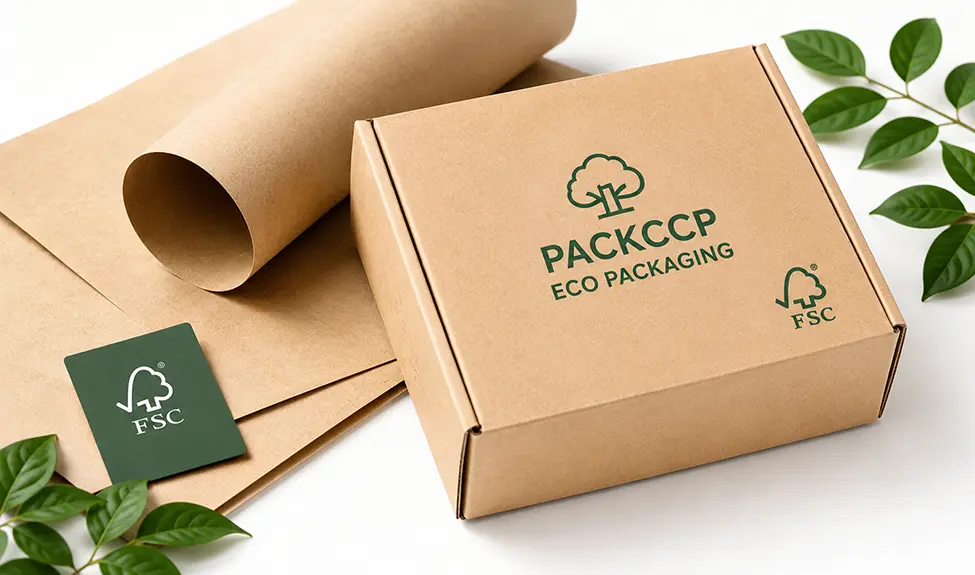
Choosing the right packaging partner is essential for turning sustainability goals into practical packaging solutions. PacoteCCP helps apparel brands create customized paper-based packaging that balances environmental responsibility, structural performance, e apresentação da marca. Com mais de 28 years of B2B manufacturing experience, PackCCP provides FSC-certified materials, customized structures, and professional printing solutions for fashion and lifestyle brands. From initial design consultation to production and quality inspection, our team supports brands in developing packaging that protects products while strengthening their sustainable brand image. With strict quality control processes and a product qualification rate of over 98%, PackCCP delivers reliable packaging solutions for brands seeking consistent quality and long-term cooperation.
Business Value of Sustainable Packaging for Apparel Brands

Sustainable packaging improvements can create long-term value by reducing material waste, improving shipping efficiency, and strengthening customer loyalty. Choosing the right embalagem de papel personalizada structure also helps brands balance sustainability requirements with product protection and visual presentation.
Financial and Operational Metrics for Packaging Investment Valuation
Evaluating sustainable packaging investments requires a shift from viewing packaging as a sunk cost to analyzing it as a core logistics asset. When brands optimize material density, they instantly unlock compounding efficiencies across the fulfillment chain.
- Direct financial savings: Right-sizing mailers and boxes directly reduces dimensional (ESCURO) weight and parcel shipping charges. Transitioning to mono-material paper substrates or verified recycled polymers also lowers Extended Producer Responsibility (RPE) fee tiers and warehouse disposal surcharges.
- Operational performance improvements: Simplifying carton designs speeds up manual packing stations, which increases labor throughput. Using properly selected paperboard grades and tested packaging structures helps protect apparel products during storage and transportation.
- Calculated payback periods: Most brands achieve full amortization on tooling and supplier transitions within 18 para 24 months. Five-year financial projection models show consistent returns, driven by lower per-unit material costs and reduced regulatory risk.
This shift directly reduces fulfillment labor costs and eliminates shipping waste, turning packaging optimization into an active driver of bottom-line profit.
Quantifying Brand Value and Social Return on Investment
Quantifying brand equity and social impact moves packaging valuation beyond simple logistics. Em um mercado lotado, the physical package acts as a high-frequency customer touchpoint that confirms a brand’s wider environmental commitments.
- Customer loyalty metrics: Shifting to certified sustainable mailers generates measurable lifts in post-purchase customer satisfaction and Net Promoter Scores (NPS). Cohort tracking shows higher conversion rates and repeat purchases among eco-conscious consumer segments.
- Environmental indicators as capital assets: Verified carbon footprint reductions (kg CO2-eq per shipped unit) and high recycled-content percentages serve as key corporate metrics. Eliminating virgin plastics satisfies strict ESG reporting demands from institutional investors.
- S-ROI framework modeling: Social Return on Investment models require careful scenario planning to quantify broader community value. Probabilistic financial analysis models how circular packaging decreases local landfill loads and supports regional recycling infrastructure.
Measuring these metrics provides a defensible framework that ties public sustainability goals directly to commercial performance and investor trust.
Common Sustainable Packaging Greenwashing Mistakes
Vague claims and selective disclosures in apparel packaging erode consumer trust and trigger regulatory penalties. More credible sustainability claims require clear material information, supporting data, and recognized certifications where applicable.
Many apparel brands rely on superficial branding shortcuts instead of publishing hard metrics. This choice to prioritize marketing over material performance often results in deceptive packaging designs that mislead eco-conscious consumers.
Vague sustainability claims and misleading visual design
Brands frequently use visual tricks and unverified assertions to simulate environmental responsibility. This approach creates high reputational risk as buyers become more adept at identifying empty packaging promises.
- Generic buzzwords: Using broad terms like “ecológico” ou “natural” without presenting verifiable data or clear technical standards.
- Misleading aesthetics: Relying on earthy colors, leaf graphics, or recycled-look textures to suggest environmental benefits where none actually exist.
- Proprietary seals: Printing self-made badges or internal corporate icons that mimic official, independent third-party certifications.
Using these superficial elements to mask a high-impact product supply chain undermines brand credibility. Honest brands replace these decorative cues with clear, specific, and certified material disclosures.
Incomplete lifecycle disclosure and unverified recyclability claims
Another common mistake involves highlighting one sustainable component while ignoring the environmental impact of the entire package. This selective reporting fails to account for real-world waste processing limitations.
- Hidden contaminants: Labeling mixed-material packaging as recyclable when inks, laminações, or industrial adhesives prevent proper sorting at municipal facilities.
- Selective disclosure: Promoting a single circular element, like a recycled paper sleeve, while ignoring toxic dyes or heavy plastic inner liners.
- Absolute declarations: Making unverified statements such as “zero waste” ou “plastic-negative” without detailing the practical, real-world end-of-life recovery process.
To build lasting trust, apparel manufacturers must verify the end-of-life pathway for the finished, converted package. True sustainability requires evaluating the entire unit, including any adhesives, revestimentos, and internal inserts.
Perguntas frequentes
How does sustainable packaging genuinely improve brand image?
Sustainable apparel packaging improves brand image by visibly aligning a fashion brand with environmental and social values that consumers prioritize. This alignment strengthens trust, perceived quality, lealdade, and pricing power. Eco-friendly materials associate a brand with ethical stewardship and modernity, lifting perceived quality and innovation.
At the unboxing moment—a critical brand touchpoint in e-commerce—minimalist, right-sized, recyclable packaging communicates intentional craftsmanship. By reducing packaging waste, brands also eliminate the waste guilt that conventional plastic-heavy fashion packaging causes. This consistency between a brand’s sustainability claims and its tangible shipping practices builds a credible green image that supports long-term brand equity and customer advocacy.
How do consumers distinguish authentic eco-friendly packaging from greenwashing?
Consumers identify authentic eco-friendly apparel packaging by evaluating physical materials, the specificity of recycling instructions, and the overall consistency of brand behavior. They look at material substance over superficial aesthetics; fiber-based materials, matte textures, and minimalist formats feel more genuine than glossy plastics wrapped in paper sleeves.
They also look for precise, verifiable claims—such as ‘made from 80% post-consumer recycled paper’ or ‘100% curbside recyclable’—instead of vague buzzwords like ‘eco-friendly’ or ‘planet-safe.’ Finalmente, consumers watch for inconsistencies, such as a brand marketing sustainable fabrics while shipping garments in heavy single-use polybags. Genuine eco-packaging balances reliable garment protection with actual material reduction, backing up its visual cues with verifiable circular practices.
Pensamentos finais
Transitioning to sustainable apparel packaging requires more than just swapping plastic for paper; it requires an aligned material and logistics strategy. Implementing a tested, certified packaging framework protects your brand against regulatory penalties and margin-eroding shipping fees. Upgrading your unboxing experience is your best defense against consumer churn and greenwashing accusations.
Don’t guess on material performance or shipping durability. We recommend requesting a custom packaging sample kit to test our FSC-certified boards and PCR mailers under real-world transit conditions. Contact our packaging strategists to discuss your supply chain roadmap and secure high-performance, compliant materials.