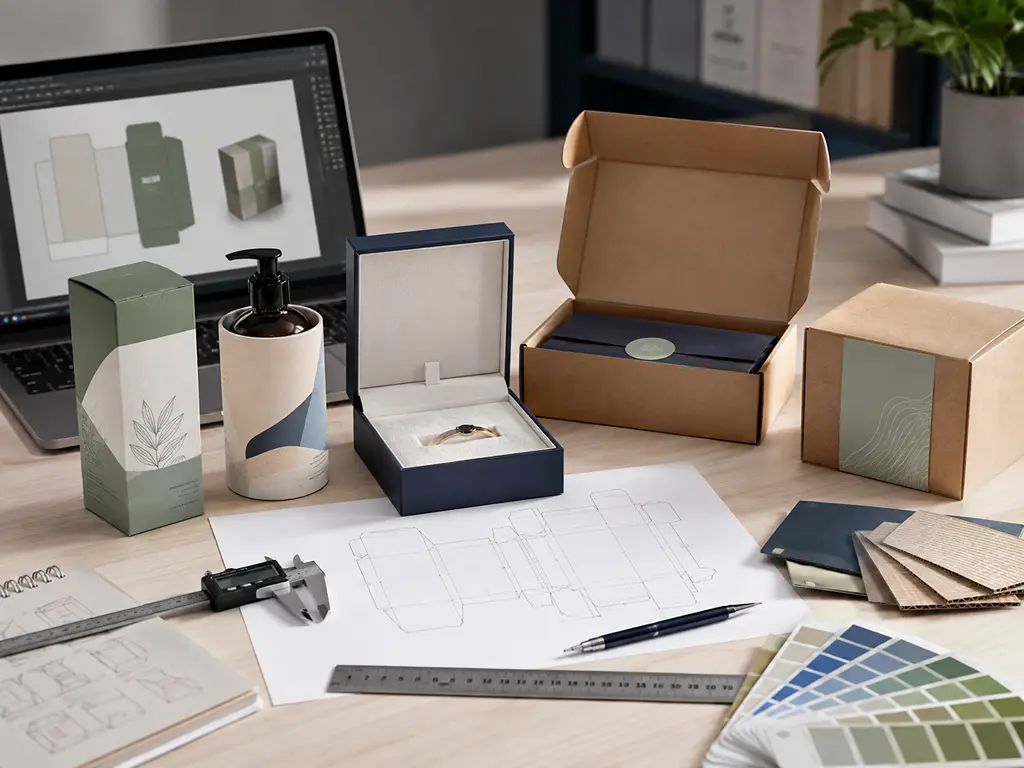
Effective luxury skincare packaging ideas for premium brands are a crucial defense against the functional failures and cheap material feel that directly impact margins and erode brand equity.
We evaluate the specific material choices and functional designs—from heavy-wall glass and Zamac caps to airless and refillable systems—that protect formula integrity and justify a product price of $50 or more.
High-End Box Structures in Luxury Skincare Packaging
Lift-off Lid Rigid Boxes
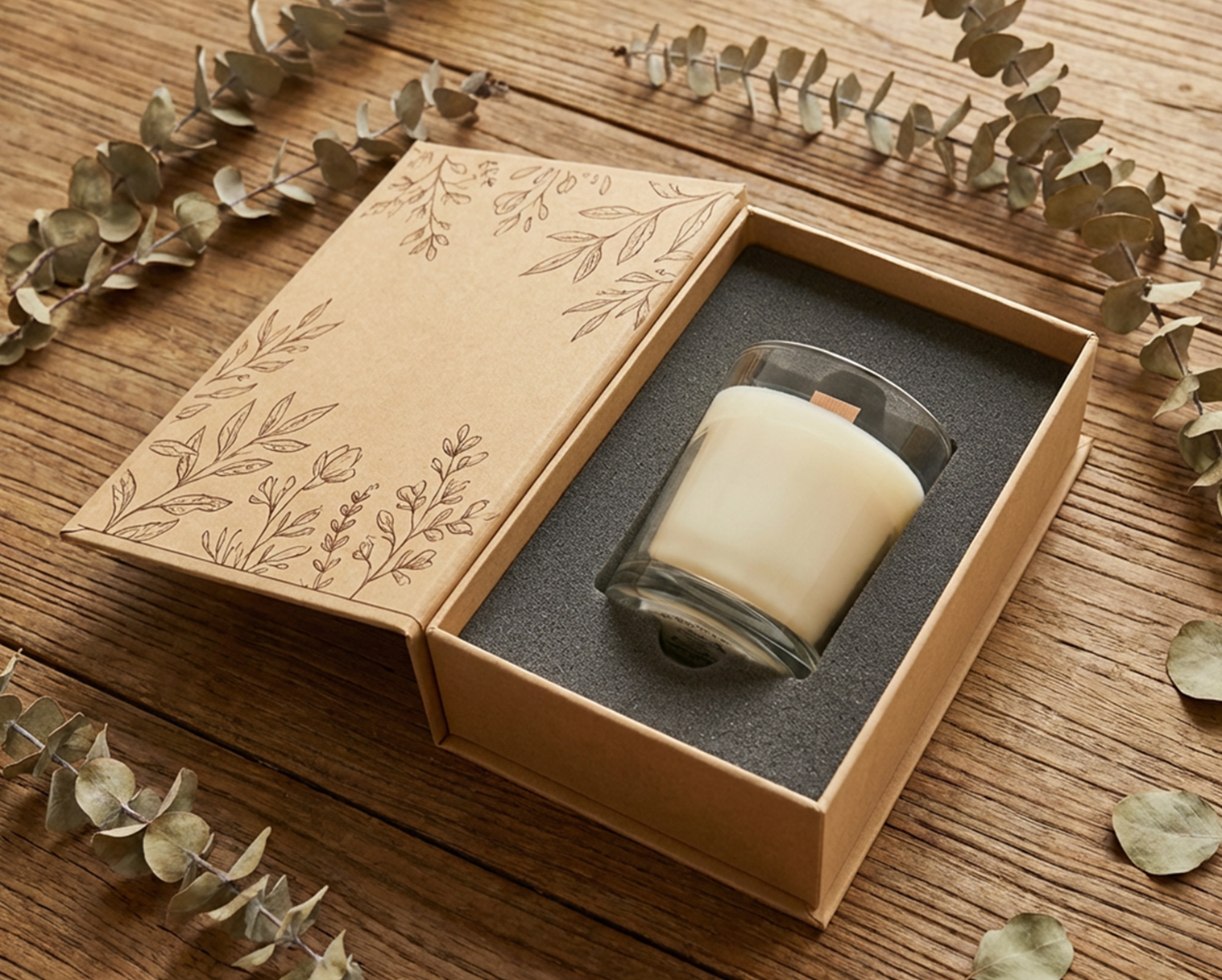
This classic two-piece box uses a precision-engineered fit to create a slow, controlled reveal that immediately signals luxury and high value.
A classic two-piece box (base and separate lid) typically built from 1.5–2.5 mm greyboard. It is engineered with tight tolerances for a slow, controlled “reveal” that signals exclusivity, making it ideal for hero products and gift sets.
- 🏷️ Category: Box Format
- 🎯 Core Outcome / Metric: Ceremonial Unboxing
Analysis:
| 장점 | Considerations |
|---|---|
|
|
Magnetic Closure Rigid Boxes
Embedded magnets create a satisfying ‘soft-close’ 스냅, enhancing the tactile experience and signaling premium quality.
A front-flap or book-style box featuring embedded magnets that create a soft-close and secure locking mechanism. This structure is frequently used for premium serum kits and anti-aging lines to enhance the tactile experience.
- 🏷️ Category: Box Format
- 🎯 Core Outcome / Metric: 안전한 & Tactile Closure
Analysis:
| 장점 | Considerations |
|---|---|
|
|
서랍 / Sliding Boxes
This ‘matchbox’ style structure excels at creating layered, sequential unboxing experiences, making it perfect for discovery kits and subscription boxes.
A tray-and-sleeve or ‘matchbox’ style structure, often enhanced with a ribbon pull tab. This format enables layered product reveals and is highly popular for discovery sets, subscription skincare boxes, and mini-collections.
- 🏷️ Category: Box Format
- 🎯 Core Outcome / Metric: Layered Reveals
Analysis:
| 장점 | Considerations |
|---|---|
|
|
Double-Lid and Multi-Opening Formats
This format uses multiple lids or flaps to create a theatrical, multi-step unboxing journey that dramatically increases perceived value for premium products.
A complex structure featuring an inner and outer lid, or a primary lid combined with doors or flaps, designed to create a multi-step, theatrical unboxing. This format is reserved for high-ticket regimens and limited-edition skincare to dramatize the experience.
- 🏷️ Category: Box Format
- 🎯 Core Outcome / Metric: Theatrical Experience
Analysis:
| 장점 | Considerations |
|---|---|
|
|
Multi-Compartment / Advent Calendar Structures
This format drives long-term brand engagement through a sequential, multi-day unboxing experience.
Large rigid boxes containing multiple (예를 들어, 12 또는 24) individual compartments for minis or samples. Designed for sequential unboxing, this structure is used for skincare ‘routine’ calendars or holiday sets to drive long-term brand engagement.
- 🏷️ Category: Box Format
- 🎯 Core Outcome / Metric: Sequential Engagement
Analysis:
| 장점 | Considerations |
|---|---|
|
|
Custom Geometries (Pyramids, Hexagons, Cylinders)
Sculptural shapes like pyramids and cylinders create unforgettable shelf presence and turn the packaging itself into a collectible art piece.
Sculptural and unconventional silhouettes are used to create a unique and highly differentiated presence on the retail shelf. These distinctive shapes are typically deployed for halo products, exclusive spa collections, or special anniversary editions.
- 🏷️ Category: Box Format
- 🎯 Core Outcome / Metric: Shelf Differentiation
Analysis:
| 장점 | Considerations |
|---|---|
|
|
Premium Custom Packaging to Elevate Your Brand
What Defines Luxury Skincare Packaging
Luxury skincare packaging is a blend of premium materials, precise functional performance, and refined aesthetics. We design it to tell a brand’s story, integrate modern sustainability, and justify the value of high-end products, particularly those priced at $50 or more.
Key Physical and Functional Characteristics
| Characteristic | Description |
|---|---|
| Premium Materials |
We use materials like heavy-wall glass, metal, and high-grade PCR plastics. These choices not only protect the formula but also create a substantial feel that customers associate with quality and value. |
| Functional Performance |
Our packaging must perform flawlessly. This includes precise dispensing with a tight tolerance of ±5%, strong barrier properties to protect sensitive actives (OTR < 0.1 cc/m²/day), and proven compatibility with your specific formula. |
| 규제 준수 |
We ensure every component adheres to strict global standards for safety and traceability, including FDA 21 CFR, EU 1223/2009, and ISO 22716. This provides the documentation needed for global market access and brand credibility. |
Aesthetic and Strategic Brand Elements
| Element | Description |
|---|---|
| Sensory Experience |
Luxury is felt as much as it is seen. We focus on substantial weight, refined textures like matte or soft-touch, and a satisfying unboxing ritual that makes the product feel like a true object of desire. |
| Brand Storytelling |
The packaging becomes a silent brand ambassador. We use minimalist aesthetics, strategic color palettes, and thoughtful design to communicate your brand’s values and sense of exclusivity before the first use. |
| Modern Sustainability |
오늘, sustainability is a core signal of luxury. We integrate refillable systems, mono-material designs for easy recycling, and high PCR content (≥30%) to align your brand with the expectations of conscious consumers. |
| Strategic Value |
For high-value products, 일반적으로 $50 and up, the packaging is a strategic asset. It must justify the price, build long-term brand equity, and help secure a premium position in the market. |
Premium Packaging Materials
In luxury skincare, premium materials must do more than just look good. We select materials to signal high value, protect sophisticated formulas, and meet modern sustainability expectations. The primary choices include glass for its inertness and premium feel, metals like aluminum and Zamac for weight and aesthetics, high-grade plastics for durability, and natural materials like wood to communicate an eco-luxury position.
Core Material Categories
Glass is the gold standard for serums and creams. Its chemical inertness ensures it won’t react with sensitive formulas, and its substantial weight—especially in heavy-bottom designs—conveys a premium quality that customers can feel. It is also infinitely recyclable, aligning with a high-end sustainability story.
Metals like aluminum and Zamac offer distinct sensory cues. Aluminum provides a sleek, minimalist aesthetic for jars and canisters. Dense Zamac adds a luxurious cold touch and significant weight, making it a popular choice for high-end caps and applicators that feel like keepsakes.
Premium plastics such as acrylic and PET provide performance benefits. High-end acrylic offers glass-like clarity with better impact resistance, protecting the product while looking elegant. PET is a more scalable option for larger product lines and can be elevated with thick-wall designs and sophisticated closures to maintain a premium feel.
We use wood and other bio-based materials for caps and accents to signal a natural or eco-luxury brand position. These materials are often paired with glass or aluminum containers to create a design that balances natural aesthetics with the functional demands of skincare packaging.
Functional and Sensory Considerations
The feel of the packaging is a silent brand ambassador. Heavier materials like thick-walled glass and solid Zamac signal a higher value and potency to the consumer. We also use soft-touch matte finishes and other textures to create a more engaging and luxurious tactile experience that reinforces the quality of the product inside.
Protecting the formula is a primary function of our packaging. Material choice is critical for preserving active ingredients like Vitamin C or retinol. We use materials like amber glass, aluminum containers, and airless systems to shield sensitive formulas from light and oxygen, ensuring the product remains effective from the first use to the last.
Modern luxury is increasingly tied to sustainability. We favor recyclable mono-materials like glass and aluminum that simplify the recycling process for consumers. Refillable systems, featuring a durable outer shell with a replaceable inner pod, are also becoming a new standard. This approach reduces waste while maintaining a premium, long-lasting user experience.
Luxury Bottle & Jar Ideas
For premium skincare brands, luxury bottle and jar designs are built on a strategic combination of substantial materials, advanced functionality, and sustainable systems. These elements work together not just to create a beautiful object, but to protect valuable formulas, justify higher price points, and build brand equity through a premium user experience.
| Material Choices and Structural Forms | Advanced Functionality and Sustainable Systems |
|---|---|
|
Use heavy-bottom glass for jars and bottles to create a feeling of substance and high value. |
Design refillable systems with a durable, heavy outer vessel and a simple, lightweight inner refill pod to blend eco-consciousness with luxury. |
|
Emphasize simple, clean silhouettes like cylinders or rectangles, where the weight and material quality become the main features. |
Integrate airless pump technology to protect sensitive formulas, offer precise dosing, and reinforce a clinical-luxe positioning. |
|
Incorporate metal accents, such as Zamac or aluminum, for caps, collars, and applicators to add a cool, jewel-like touch. |
Create signature sensory moments with features like magnetic closures that produce a satisfying ‘click’ or smooth twist-lock mechanisms. |
|
Apply tactile finishes like matte, frosted, or soft-touch coatings to provide a sophisticated, multi-sensory experience. |
Include integrated cooling metal applicators, often made of stainless steel or Zamac, for targeted treatments like eye creams. |
Minimalist Luxury Design Trends
Minimalist luxury design shifts the focus from ornate decoration to intentional simplicity. This approach uses high-quality materials, refined textures, and functional elements to signal premium value. Key trends include neutral color palettes, clean geometric forms, and the integration of sustainable practices like refillable systems and mono-material construction.
The shift towards “조용한 럭셔리” emphasizes authenticity and quality through restraint. It’s about communicating a brand’s confidence through purposeful choices in form, 재료, 그리고 기능, moving away from visual noise and towards a more considered aesthetic.
Visual and Tactile Elements
In minimalist design, sensory engagement replaces graphic complexity. The way a package feels in the hand, its weight, and its texture become primary communicators of quality.
| Element | Principle |
|---|---|
| Neutral Color Palettes |
We use tones like white, 검은색, soft gray, and sand to create a sense of calm and timelessness. These colors allow the material and form of the package to stand out and support a pure, high-efficacy brand image. |
| Simple Typography |
Choosing simple, legible sans-serif fonts ensures that information is clear and the branding feels confident. Restrained typography with generous white space signals sophistication. |
| Geometric Shapes |
We focus on clean, geometric forms like cylinders and rectangles. These shapes communicate precision and structural stability, reinforcing the perception of a well-engineered product. |
| 촉각 마감 |
Incorporating matte finishes, 소프트 터치 코팅, or frosted textures adds sensory depth without visual clutter. These surfaces invite touch and elevate the user’s daily interaction with the product. |
Functional and Sustainable Minimalism
Modern luxury is defined by responsibility as much as aesthetics. Minimalist design supports sustainability by reducing material complexity and integrating smart, low-impact features directly into the packaging.
| Element | Principle |
|---|---|
| Eco-Conscious Materials |
We adopt mono-material designs and Post-Consumer Recycled (PCR) 콘텐츠, which simplifies recycling. Around 80% of luxury brands are projected to use PCR content by 2026, making this a new standard for premium packaging. |
| Refillable Systems |
We help develop refillable systems where a durable outer container is kept and a simple inner pod is replaced. This transforms the package into a long-term, keepsake object and significantly reduces waste. |
| 디지털 통합 |
By integrating discreet QR codes, we can move detailed ingredient lists and instructions online. This keeps the physical package clean and uncluttered while providing full transparency to the consumer. |
| Function as Design |
We make functional components—like airless pumps or cooling metal applicators—the central design feature. Instead of hiding the engineering, we celebrate it as a sign of the product’s high performance and efficacy. |
Sustainable Luxury Packaging
Sustainable luxury packaging is now a fundamental requirement for premium skincare brands. We focus on reducing environmental impact by using recyclable glass, 알류미늄, and mono-material designs without sacrificing the high-end sensory experience. Key strategies include refillable systems and minimalist aesthetics, which align with modern consumer values and strengthen brand positioning.
Key Strategies: Refill Systems and Recycled Materials
Refillable systems are a core part of our sustainable luxury strategy. We design a durable, premium outer shell that functions as a long-term brand keepsake, which customers pair with a replaceable inner cartridge. This approach reduces overall waste and encourages repeat purchases, fostering brand loyalty while maintaining a consistent luxury feel on the vanity.
We prioritize recycled glass and aluminum as our leading materials. Both offer a premium weight and feel, provide excellent protection for sensitive formulas, and have high recyclability rates. Using these materials allows brands to meet consumer expectations for quality and environmental responsibility simultaneously.
Mono-material packaging is another key focus, as it simplifies the recycling process for consumers. By designing components from a single type of material, we enable easy disassembly, a critical design principle for 2026 that supports a truly circular economy and makes sustainability claims more credible.
Using Post-Consumer Recycled (PCR) content has become a baseline expectation in the luxury market. Industry projections show most premium brands will incorporate significant PCR content by 2026, and our solutions ensure you stay ahead of this trend, demonstrating a clear commitment to reducing virgin material consumption.
Design Principles for Eco-Conscious Luxury
Minimalist aesthetics are a perfect match for sustainability. Our designs feature clean lines, fewer packaging layers, and restrained graphics. This creates a modern, uncluttered look that feels sophisticated and aligns with the consumer shift away from excessive ornamentation.
We embrace the principle of ‘material honesty.’ Instead of relying on heavy decoration, our packaging lets the inherent quality of the materials—the cool weight of glass or the clean finish of aluminum—communicate luxury. This approach not only looks premium but can also reduce finishing costs.
A rich sensory experience is still essential. We integrate premium tactile finishes like soft-touch coatings, subtle embossed textures, and high-precision closures. These elements ensure the packaging feels substantial and satisfying to use, reinforcing its value every time it’s handled.
Smart features are seamlessly integrated to build trust and add value. We can embed discreet QR codes or NFC tags that provide customers with information on ingredient sourcing, detailed refill instructions, and digital tools for verifying product authenticity. This transparency turns the package into an interactive brand touchpoint.
Luxury Packaging Mistakes to Avoid
Luxury skincare brands frequently undermine their value through avoidable packaging mistakes. The most damaging errors involve weak structures, cheap-feeling materials, cluttered design, and regulatory oversights that cheapen the premium experience and erode customer trust.
Structural and Material Flaws That Weaken Perceived Value
Relying on generic, stock components makes even the highest-quality formulas look mass-market. This approach fails to justify a premium price point and actively weakens your brand story before the customer even opens the box.
Choosing flimsy materials, like thin paperboard under 350 GSM, feels cheap and signals low quality. It also offers poor protection during shipping, leading to damaged products, 값비싼 반품, and a disappointing first impression for your customer.
When aesthetics are prioritized over function, the result is often a package that is frustrating to use. Containers that are difficult to open, awkward to hold, or dispense product poorly can ruin the customer’s daily ritual and discourage repeat purchases.
Neglecting compatibility testing between the formula and its container is a critical error. This oversight can lead to product degradation, 누출, or discoloration, which directly damages formula efficacy and your brand’s credibility.
Design and Messaging Oversights That Erode Brand Trust
A cluttered design with too many fonts, 그림 물감, and claims makes a product look confusing, not refined. This visual noise can make a luxury item feel like it belongs in a discount store, immediately devaluing the product inside.
Making vague sustainability claims without specific metrics can backfire. Statements like “환경 친화적인” without mentioning material composition (예를 들어, “30% PCR Plastic”) or certifications are often perceived as greenwashing, which quickly erodes brand trust.
Your packaging style must align with the brand’s promise. 예를 들어, using a whimsical, playful design for a clinical, science-backed product creates a jarring mismatch that confuses customers and undermines your positioning.
Overlooking regulatory details is a costly mistake. Incorrect ingredient lists, missing batch codes, or improper symbols can force expensive reprints and cause significant delays to your product launch, impacting your bottom line.
PackCCP 포장
PackCCP is a top choice for its fully integrated, one-stop service that covers everything from design to final assembly, backed by nearly three decades of experience.
PackCCP 포장 is a custom paper packaging manufacturer in China offering integrated services that span the entire production cycle, from initial design and prototyping to full-scale manufacturing and assembly. They leverage nearly 30 years of industry experience to manage complex projects for a global audience.
The company holds ISO certifications for quality and environmental systems, achieving a product pass rate over 98%. With a strong focus on sustainable, FSC 인증 소재, they serve major brands, e-commerce businesses, and growing consumer product companies.
📊 At a Glance:
- 📍 Location: Dongguan, 광둥성, 중국
- 🏭 Core Strength: 종이 상자, 종이 가방, Labels, Tags, Printed Collaterals
- 🌍 Key Markets: Worldwide B2B clients
Why Pick us:
| The Wins | Trade-offs |
|---|---|
|
|
최종 생각
Opting for generic, low-cost components offers apparent savings but directly risks formula integrity and brand reputation. The material standards and functional precision detailed here are the only way to justify a premium price point. This is a strategic decision, not an expense.
Do not guess on quality—verify it. We recommend requesting a curated sample kit to evaluate our material weight, tactile finishes, and functional performance. Our team is ready to discuss how these solutions can be adapted for your custom OEM project.
자주 묻는 질문
What makes skincare packaging look luxurious?
Luxury is signaled through a combination of substantial weight, rigid construction, and refined details. Tactile finishes like soft-touch or matte, precise closures, and clean typography all contribute. A strong visual hierarchy and high-grade materials that feel purposeful in the hand are also key indicators of quality.
What material is best for luxury skincare packaging?
Glass, 알류미늄, and high-quality plastics are top choices for luxury packaging due to their durability and premium feel. The best material ultimately depends on the formula’s needs. Factors like compatibility with active ingredients and required barrier protection should guide the final decision.
Is glass better than plastic?
Glass often has a higher perceived luxury due to its weight and association with high-end products. 하지만, premium plastics offer advantages like lower breakage risk and lighter shipping. High-quality PCR or recyclable plastics can also achieve a luxurious feel while being more durable.
What finishes create a premium look?
Finishes like hot-foil stamping, 엠보싱, and debossing add tactile sophistication. Surface treatments such as soft-touch lamination, matte varnishes, or frosted effects also create a premium feel. These details enhance the sensory experience, signaling the quality of the product inside.
Should luxury skincare use rigid boxes?
예, rigid boxes are frequently used for luxury outer packaging, especially for gift sets or to create a memorable unboxing experience. Their sturdy construction provides excellent protection and conveys a sense of high value, reinforcing the product’s premium positioning.
What colors feel premium?
Classic black and white palettes are timeless choices for a premium, minimalist feel. Sophistication is also conveyed through restrained, low-saturation colors and the strategic use of metallic accents. The goal is to appear controlled and elegant rather than loud.
Can sustainable packaging look luxurious?
전적으로. Sustainable materials like glass, 알류미늄, and high-quality PCR plastics can be crafted into luxurious forms. The key is integrating sustainability without compromising on visual polish or a premium feel. Elegant design and refined finishes ensure the packaging looks and feels high-end.
What packaging do luxury brands use?
Luxury brands often use glass serum bottles, airless pumps, and jars with substantial metal lids. For presentation, they favor rigid boxes with custom inserts. High-precision closures and unique structures also help differentiate their products and reinforce a premium brand experience.
How much does luxury packaging cost?
The cost varies widely based on materials, decoration, and volume. Beyond the unit price, true cost includes factors like freight weight, protective dunnage, and compatibility with filling lines. For materials like heavy glass, the total lifecycle cost is a more accurate measure.
Are refillable packages considered luxury?
예, refillable systems are increasingly seen as a luxury feature, especially when thoughtfully designed. A durable, precise mechanism that enhances the user experience is key. When the refill system feels like an integrated part of the product ritual, it aligns perfectly with luxury branding.
How do premium brands differentiate packaging?
Premium brands differentiate through custom structural designs, superior material choices, and unique tactile finishes. They also focus on functional details like precise closures and packaging that is specifically engineered to protect the formula. A clear brand hierarchy sets them apart.
What packaging works best for serums?
Glass bottles with droppers and airless pump dispensers are ideal for serums. These formats provide excellent dosing control and protect the formula from contamination and degradation. For serums with sensitive active ingredients, the packaging must also offer strong barrier performance.