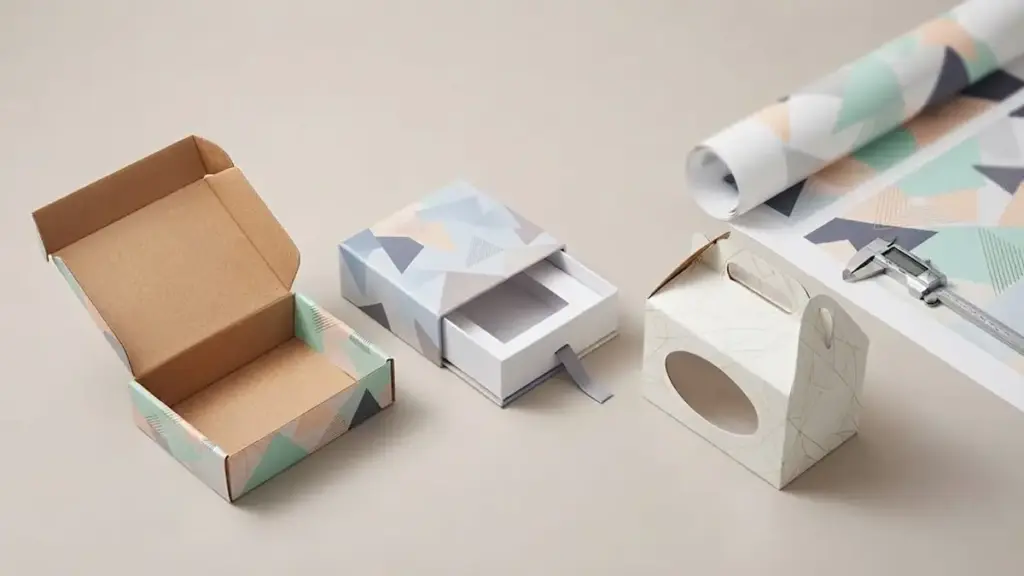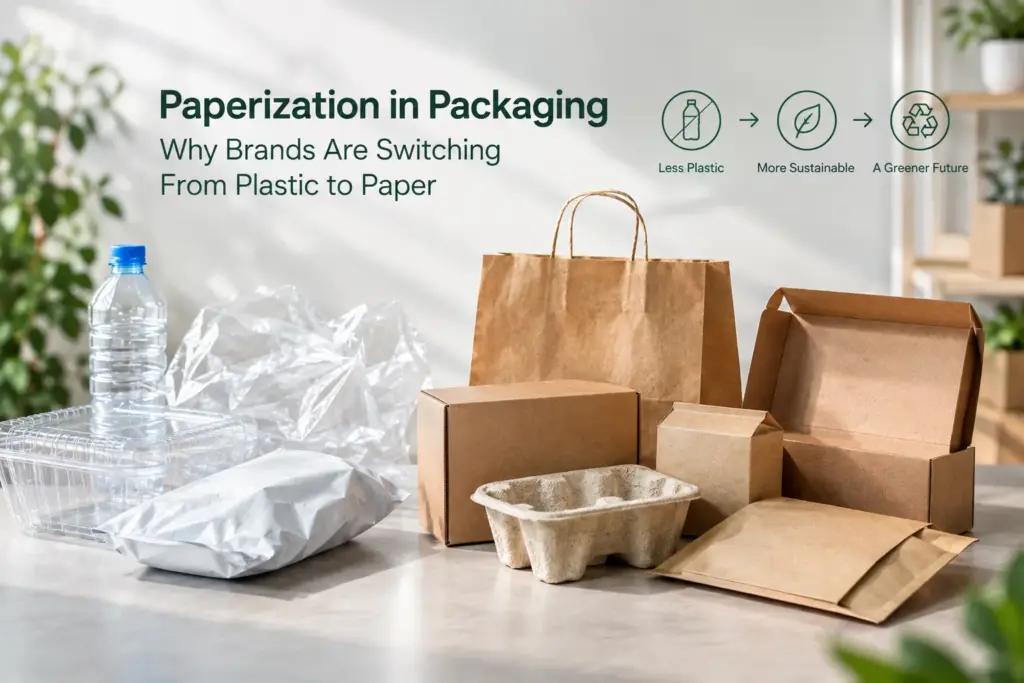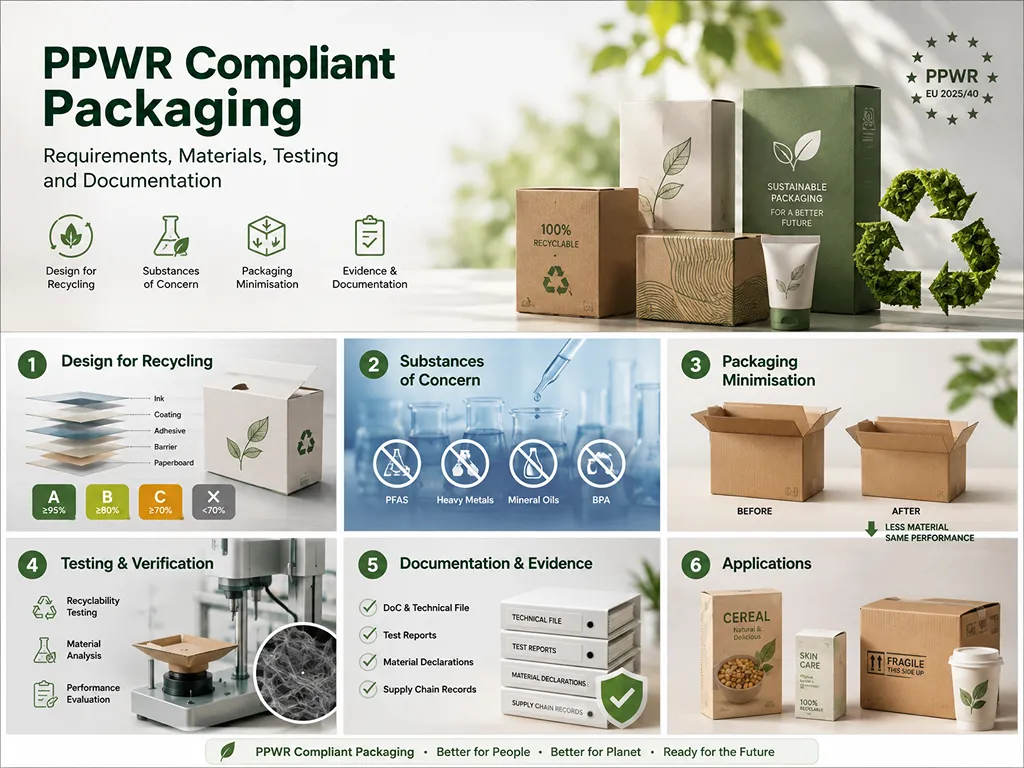
Bakery packaging ideas for artisan brands are a critical business tool, directly influencing profit margins, product integrity, and your ability to justify premium pricing. The right choice protects delicate goods from damage and preserves freshness, reducing product loss. The wrong choice leads to stale crusts, crushed pastries, and a diminished brand experience that hurts sales.
This guide breaks down packaging solutions by product type, from the breathable paper bags needed for crusty loaves to the rigid boxes required for delicate cakes. We evaluate each format based on its ability to manage moisture, provide structural support, and enhance shelf appeal, helping you align packaging choices with your operational workflow and brand goals.
Why Bakery Packaging Matters
For an artisan bakery, packaging is a critical business tool that drives sales by creating strong shelf appeal, protects product freshness from the kitchen to the customer’s home, and builds a memorable brand experience that justifies premium pricing.
Enhances Brand Value and Customer Appeal
혼잡한 매장 공간에서, your packaging is the first point of contact with a potential customer. It has only a few seconds to signal that your product is premium, fresh, and worth the price. Strong visual design captures shopper attention, helps your goods stand out, and directly influences the decision to buy.
Your packaging acts as a brand ambassador long after the sale. It communicates your bakery’s unique story, 가치, and handcrafted quality. 재료, 그림 물감, and logo you choose all work together to build a recognizable identity that customers remember and trust.
The customer experience extends beyond the counter. Thoughtful design makes products easy to transport and exciting to unbox, especially for items intended as gifts. This positive experience strengthens word-of-mouth recommendations and encourages social media sharing, turning a simple purchase into valuable marketing for your bakery.
Protects Product Integrity and Supports Operations
Good packaging is essential for preserving the quality you work so hard to create. It shields delicate baked goods from physical damage, 오염, and moisture changes that can ruin texture. This protection reduces product loss and ensures customers enjoy your creations exactly as you intended.
Packaging is also an important operational tool. Designs that are simple for your staff to store, assemble, and pack are critical during busy periods. Choosing formats that fit your workflow prevents bottlenecks, saves time, and helps your team manage high-volume sales smoothly and efficiently.
Packaging serves as a vital food safety and compliance instrument. It provides a clear, dedicated space for essential information like ingredients and allergen warnings, protecting both your customers and your business. Accurate labeling helps you meet regulatory requirements, which is vital for any bakery looking to grow.
Packaging by Bakery Product Type
| Product Type | Recommended Packaging | Key Function & Why It Works |
|---|---|---|
| Packaging for Breads, Pastries & Cakes | ||
| Breads |
|
Paper allows moisture to escape, which keeps the crust crisp. Plastic retains moisture, keeping soft sandwich loaves from drying out and maintaining their texture. |
| Pastries |
|
Grease-resistant paper manages oil stains from items like croissants. Rigid clamshells protect delicate, cream-filled pastries from being crushed during transport. |
| Cakes |
|
A correctly sized cake board and a sturdy box provide essential structural support for safe transit. Windowed boxes showcase decorations while keeping them protected. |
| Cupcakes | Boxes with built-in inserts or cavities | Inserts hold each cupcake securely in place. This stops them from tipping over and smearing frosting during handling and delivery. |
| Packaging for Cookies, Confections & Pies | ||
| Cookies & Biscotti |
|
Clear bags are effective for individual sales where visibility is key. Window boxes with tissue elevate gift sets and present them as a premium item. |
| Macarons & Delicates | Boxes with individual compartments or inserts | These fragile items require individual compartments to prevent them from cracking, shifting, or damaging each other during movement. |
| Pies & Tarts |
|
A strong box and a firm base are vital to protect the crust and filling. A window lets customers see decorative toppings without opening the box. |
| Brownies & 바 |
|
Wrapping individual portions in greaseproof paper maintains neatness. For assortments, dividers keep items separate and prevent smearing. |
Get Flawless Custom Rigid Boxes, Factory-Direct
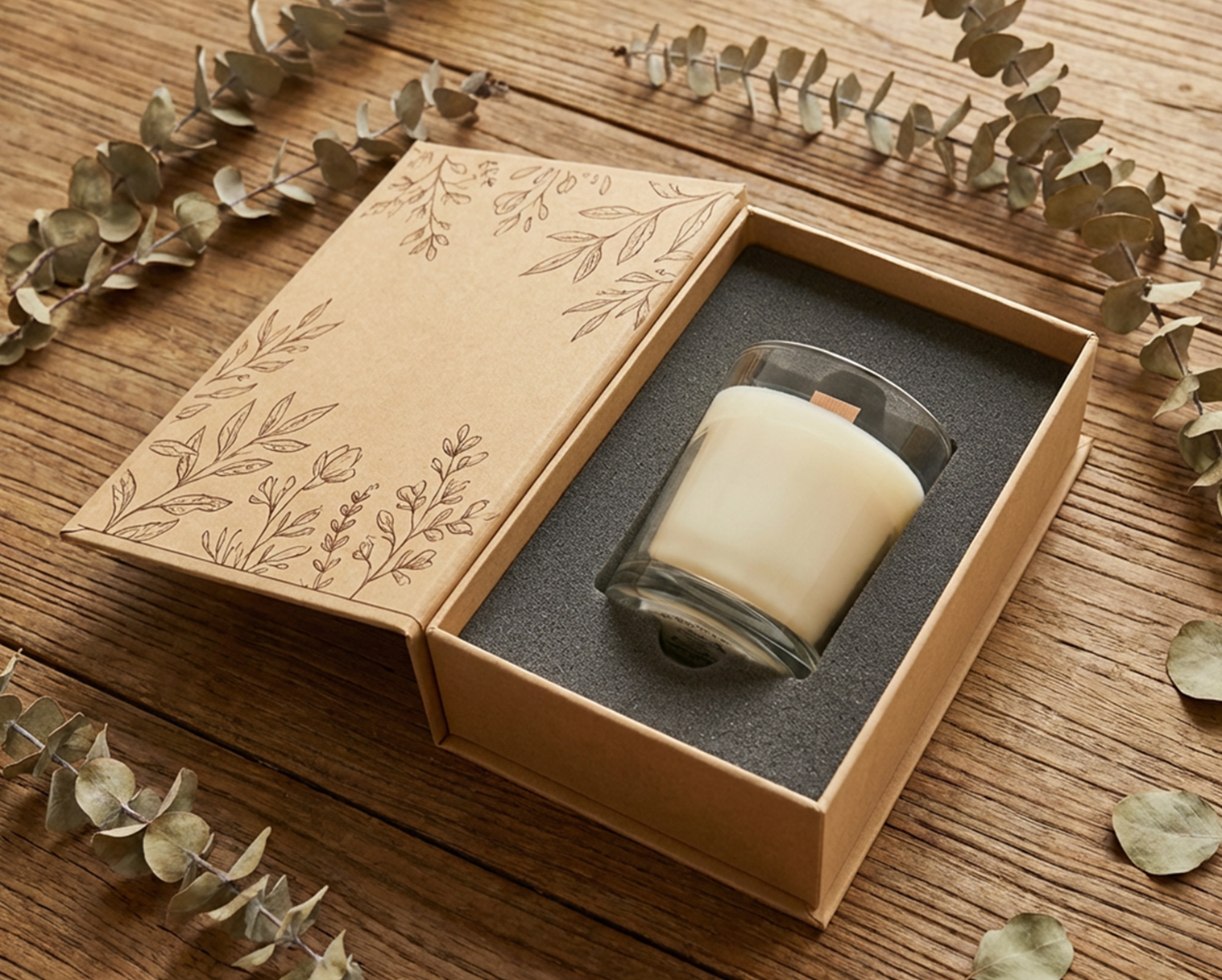
종이 가방, 상자 & Window Packaging
Using the right paper bags, 상자, and window packaging helps protect your products, create an artisan brand image, and even support premium pricing. These paper-based options balance product safety with operational needs, making them a smart choice for bakeries looking to enhance both shelf appeal and efficiency.
Choosing the Right Paper Bags
For oily items like donuts and croissants, we recommend using grease-resistant 종이 가방. They prevent stains from seeping through, which keeps the packaging clean and maintains a professional appearance from our counter to the customer’s hands.
Crusty breads like sourdough and baguettes need to breathe. We select vapor-permeable paper bags that allow moisture to escape. This simple choice is key to keeping the crust crisp and protecting the unique texture you worked so hard to create.
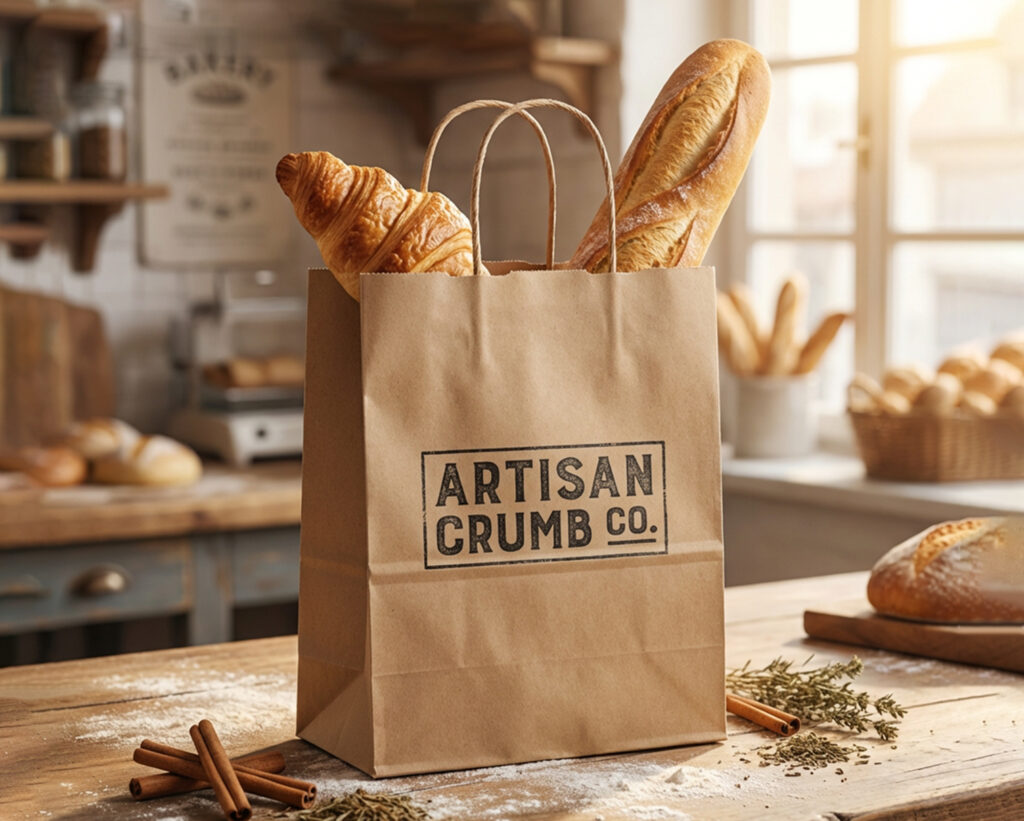
For small batches or seasonal specials, a simple stamp or sticker on a plain kraft bag is a great way to reinforce a handcrafted, artisanal image. This low-cost approach provides branding flexibility without requiring large, expensive custom print runs.
To protect your packaging inventory, store bags in a dry, cool area separate from the main baking zone. This operational step prevents contamination from flour dust and grease, ensuring every bag is clean and ready for use.
Using Boxes and Window Packaging
Folding carton boxes are essential for protecting individual cakes, 패스트리, and delicate assortments. They provide the structure needed to keep items from being crushed or smeared, which reduces product loss and ensures customers receive perfect-looking treats.
Incorporating window packaging is a powerful sales tool. It allows you to show off visually appealing products like decorated cookies and can support price premiums of 30-50% for gift-ready items. When customers can see the quality inside, they are more willing to pay for it.
When packaging multiple items like macarons or cupcakes, we use boxes with internal dividers or tissue paper. This prevents fragile products from damaging each other during transport, protecting your high-value creations and ensuring a great unboxing experience.
In a busy bakery where space is tight, stocking flat-packed boxes is a smart operational choice. They can be assembled quickly at the counter when needed, which frees up valuable storage space for ingredients and equipment.
Sustainable Bakery Packaging
Sustainable bakery packaging involves choosing materials and designs that reduce environmental impact while protecting products and enhancing your brand. We focus on recyclable, 퇴비로 만들 수 있는, and reusable options that align with local waste systems, meet consumer expectations, and tell a powerful story about your bakery’s commitment to quality and the environment.
Key Materials for Eco-Friendly Baking
Recyclable paper and cardboard are essential for creating an artisanal look. Using materials with FSC-certified fibers helps support your 지속 가능성 claims and connects with customers who value responsible sourcing. These materials are not only widely recyclable but also provide a natural, tactile feel that reinforces a handcrafted brand identity.
Compostable materials offer a great solution for direct food contact, especially with high-fat pastries. We can pair a traditional paper exterior with compostable PLA liners or molded fiber trays on the inside. This hybrid approach protects the product from grease and moisture while ensuring the packaging can be commercially composted, turning waste into a resource.
While reducing plastic is a goal, recyclable mono-material plastics like polyethylene (체육) still play a valuable role. These plastics are effective at extending freshness for products like retail bread, which helps reduce food waste. Choosing recyclable mono-material films instead of mixed plastics makes it easier for the packaging to enter the circular economy.
Reusable and returnable containers create a strong sense of community and build customer loyalty. Options like glass jars for desserts or sturdy tins for cookies can be part of a local, deposit-based program. This encourages repeat business and positions your bakery as a leader in circular, low-waste solutions.
Design Principles for Sustainable Packaging
We can improve sustainability by eliminating structures that are difficult to recycle, such as paper-plastic laminates. 대신에, we focus on mono-material designs that are easy for recycling facilities to process. This simple shift ensures more of your packaging can be successfully recovered and remade into new products.
Reducing the total amount of material used is another key principle. We achieve this through downgauging, which means making plastic films thinner without losing strength. For paperboard, we use smart structural designs that maintain rigidity with less material, lowering both resource consumption and shipping costs.
Effective sustainable packaging works with local infrastructure. We help you choose materials that are widely accepted by recycling or composting programs in your area. Including clear on-pack instructions also empowers your customers to dispose of the packaging correctly, ensuring it doesn’t end up in a landfill.
Incorporating recycled content into both paperboard and plastic packaging is a direct way to support the circular economy. By using materials that have already been used before, we reduce the demand for virgin resources. This choice not only lessens environmental impact but also tells a compelling story about your brand’s commitment to closing the loop.
브랜딩 & 인쇄 옵션
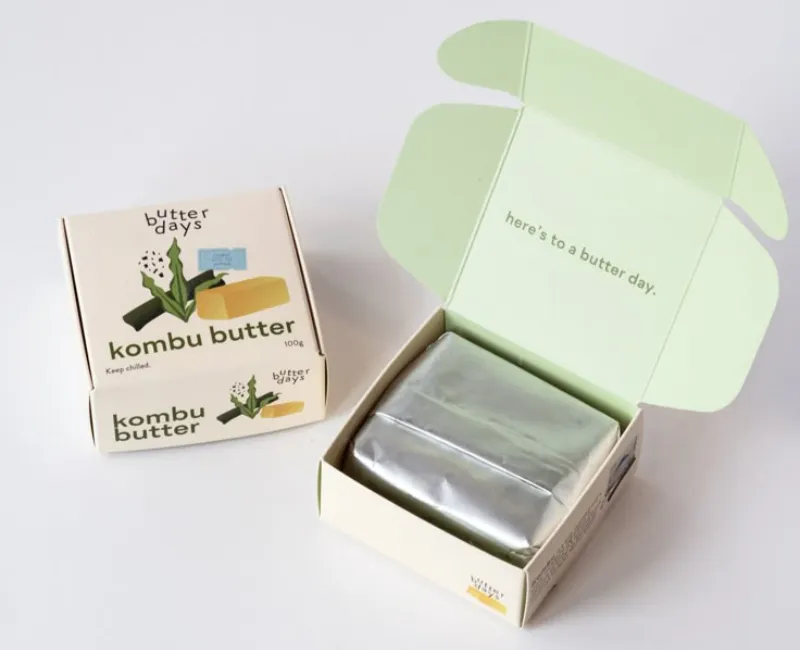
Branding your bakery packaging can scale with your business. You can start with affordable, high-impact methods like custom stamps and labels to create a professional look on stock packaging. As sales grow for specific products, you can invest in semi-custom options like branded sleeves before moving to fully printed boxes for your best-sellers to create a cohesive brand experience.
Customization Methods From Stamps to Full Prints
You can begin branding with low-cost, flexible options that give your products a personal, handmade feel. Custom rubber stamps are a simple one-time investment that can apply your logo to stock bags, 상자, and tissue paper. Printable kraft labels and custom stickers are also effective for sealing packages and adding your brand mark without a large upfront cost.
When you’re ready for the next step, branded sleeves and wraps offer a semi-custom solution. These paper bands can slide over plain boxes or bags, adding a strong visual identity without the high minimum order quantities required for fully custom packaging. This approach is great for seasonal promotions or for testing designs before a larger investment.
You can also easily add a digital touch to your physical packaging. Incorporating QR codes on labels or boxes connects customers directly to your online world. A quick scan can lead them to your social media profiles, a page to reorder their favorite items, or a video that tells your brand’s story.
Once you have consistent and predictable demand for certain products, you can transition to fully custom printed boxes. This method provides the strongest brand consistency and a highly professional appearance, making it a practical choice for your established best-sellers.
Essential On-Package Branding Elements
Your bakery’s name and logo should always be featured prominently for immediate brand recognition. This is the most critical element that helps customers remember you and find your products again.
Including key product information is just as important. Clear flavor descriptions, a list of ingredients, and allergen warnings build customer trust and ensure safety. This transparency shows you care about both your products and your customers’ well-being.
A simple and clean design often makes the biggest impact. We recommend sticking to a cohesive color palette of two to four colors and using one or two easy-to-read fonts. This gives your packaging a professional, uncluttered look that lets the quality of your baked goods shine through.
Consistency is key to building a strong brand. Apply the same visual style—your logo, 그림 물감, and fonts—across all of your packaging, from bags and boxes to sleeves and labels. A unified look helps create a memorable and cohesive brand experience that customers will recognize and trust.
Food Safety Considerations
Protecting your baked goods comes down to a few key practices. This includes using certified food-grade materials to prevent chemical transfer, maintaining strict hygiene during the packaging process, and clearly managing allergens and storage instructions. Getting these details right keeps your products safe and builds customer trust.
Using Food-Grade Materials and Preventing Chemical Migration
The materials that touch your food are the first line of defense in safety. It is critical to ensure that every layer of packaging, from the box lining to the ink on the label, is certified and safe for contact with baked goods.
- Use certified materials: Only use paper, 판자, films, and trays that are certified as food-grade for any layer making direct contact with food.
- Prevent chemical transfer: Ensure all your inks, 접착제, and coatings are FDA-approved and tested for low migration. This stops chemicals from moving from the package to the product.
- Be careful with recycled content: Avoid using recycled materials for direct food contact unless they carry a specific food-safety certification, as they can sometimes contain contaminants.
- Verify material safety: You can confirm the safety of your packaging by requesting a food-grade declaration or a Certificate of Analysis (COA) from us or your supplier.
Managing Hygiene, Cross-Contamination, and Allergens
Beyond the materials themselves, your handling and storage procedures are essential for preventing contamination. A clean environment and clear allergen protocols protect both your products and your customers.
- Package products hygienically: Always package products immediately after they have cooled. Use clean utensils or gloves instead of bare hands in a sanitary environment.
- Store packaging materials safely: Keep all your packaging materials in a clean, dry area. They should be covered and stored off the floor to prevent contamination from dust or pests.
- Implement an allergen control program: We can help design packaging that supports your allergen control plan, which should include separate storage for allergenic ingredients and clear labeling on all finished goods.
- Label perishable goods clearly: For baked goods with fillings like cream or custard, use packaging that supports refrigeration and clearly displays instructions such as “Keep Refrigerated.”
Packaging Trends for Artisan Bakeries
Packaging for artisan bakeries is shifting toward sustainability and premium design. We see a strong move to monomaterial paper and cardboard for simpler recycling, along with PFAS-free grease barriers. 동시에, minimalist aesthetics, transparent windows, and smart features like QR codes are used to enhance brand storytelling, 신뢰를 쌓다, and support premium pricing.
Material and Sustainability Focus
The biggest trend in materials is the push for environmental responsibility. This isn’t just about perception; it’s about making real-world improvements that customers notice and value. The focus is on simpler, safer, and less wasteful solutions.
- Monomaterial Formats: Bakeries are shifting toward monomaterial paper and cardboard. Using a single material makes recycling much simpler for customers, moving away from mixed-material packs that are difficult to process.
- PFAS-Free Grease Barriers: The adoption of PFAS-free coatings is growing quickly. We’re seeing more water-based and mineral coatings that provide grease resistance without the health and environmental concerns of older chemical treatments.
- Compostable Options: There is an expansion in compostable materials like bagasse (sugarcane fiber) and PLA bioplastics. These are great for items that suit their structural properties and help bakeries appeal to eco-conscious consumers.
- Material Reduction: Designs are increasingly focused on reducing overall material use. This includes using lighter-weight paperboard or optimizing structures to cut costs and lower the environmental footprint without compromising protection.
Premium Design and Digital Integration
Artisan packaging is also becoming more strategic. It serves not just as a container, but as a key part of the brand experience, from the shelf to the customer’s home. This involves a mix of visual appeal, 기능성, and digital storytelling.
- Minimalist, Premium Design: Simple, elegant designs with natural textures and clean graphics help position artisan products as gourmet goods. This restrained aesthetic elevates perceived value more effectively than overly crowded designs.
- Transparent Windows: Windows remain a key feature for a reason. They let customers see the quality and craftsmanship of the baked goods, which builds trust and encourages impulse purchases.
- Smart Packaging Integration: The use of QR codes on packaging is becoming more common. This allows bakeries to share brand stories, details on ingredient sourcing, or complex allergen information without cluttering the package design.
- Logistics-Optimized Formats: As delivery and e-commerce grow, packaging is being designed for better logistics. This means formats that stack well, protect products from breakage during transport, and ensure a great unboxing experience.
최종 생각
Treating packaging as just another cost leads to product loss, food safety risks, and a weak brand. The strategic frameworks outlined here turn packaging into a core business asset. This is the only way to protect your product integrity, justify premium pricing, and build lasting customer loyalty.
Don’t guess which materials and designs fit your unique products. A strategic review is the next logical step to adapt these frameworks to your specific operational needs. 우리 팀에 문의하세요 to build a packaging blueprint that protects your margins and scales with your business.
자주 묻는 질문
What packaging is best for bakery products?
The best packaging depends on the product. For crusty artisan loaves, we use breathable paper bags to maintain a crisp crust. Softer sandwich breads need plastic bags to retain moisture. Cakes and delicate pastries require sturdy cardboard boxes, often with grease-resistant liners to prevent sogginess. For cookies and smaller items, clear bags or window boxes work well to showcase the product. Your packaging must always be food-safe, protect the product during transport, and manage moisture to preserve freshness.
How do bakeries package bread?
We find different breads need different packaging. Crusty artisan loaves like sourdough are often sold in perforated paper bags that allow moisture to escape, keeping the crust crisp. For softer breads like sandwich loaves, plastic bags are typically used to hold in moisture and maintain softness. For a more premium look, some bakeries wrap loaves in parchment paper and secure it with twine before placing it in a bag.
What packaging keeps pastries fresh?
To keep pastries fresh, the packaging must match the pastry type. For items with cream or fruit fillings, airtight containers or foil-lined boxes are essential to lock in moisture and protect them. Flaky pastries like croissants need a different approach; they do best with grease-resistant paper inside a box. This protects their delicate structure from being crushed and prevents the paper from becoming soggy, which keeps the presentation clean.
Are bakery boxes recyclable?
예, most plain paper and cardboard bakery boxes are recyclable. But any box that is heavily soiled with grease or food residue should be composted instead of recycled, as food waste can contaminate the recycling stream. Some boxes have plastic windows, which might need to be removed before recycling. We always recommend checking your local guidelines for the best practice.
What material is food-safe?
Any material that directly touches your baked goods must be certified as food-safe. Common food-safe materials include food-grade paper, 판지, parchment paper, and wax paper. When plastic is needed for visibility or moisture control, we look for certified plastics like PET and PLA. Verifying that your materials are rated for food contact is a critical safety step for any bakery.
What packaging works for cookies?
For cookies, packaging that offers great visibility is often the best choice. Clear cellophane or compostable bags, sealed with a branded sticker, are perfect for showing off individual cookies or small stacks. For larger quantities or gift sets, window boxes are an excellent option. For a truly premium feel, we use decorative tins lined with parchment paper, which gives a lasting impression and can be reused by the customer.
How can bakery packaging improve branding?
Your packaging is a key part of your brand’s story. A rustic brand might use kraft paper with a hand-stamped logo to communicate a handmade feel. A modern patisserie could use minimalist white boxes with clean, elegant fonts. Unique elements like custom-shaped windows, a consistent color palette, or a thoughtful unboxing experience with tissue and ribbon all help build brand recognition and justify a premium price.
What is greaseproof paper?
Greaseproof paper is a food-safe paper designed specifically to resist oil and fat. It’s perfect for wrapping buttery items like croissants or for lining boxes that will hold rich treats like brownies. Using it prevents grease from staining the outer packaging, which keeps the product looking clean, 전문적인, and appealing to customers.
Can bakery packaging be compostable?
예, there are many great compostable options available. Uncoated paper and cardboard are naturally compostable. For clear packaging that shows off your products, you can find bags and containers made from PLA, a plant-based plastic. It is important to check if an item is certified for home composting or if it needs to be sent to an industrial composting facility.
Which packaging works for farmers’ markets?
At a farmers’ 시장, packaging needs to be both portable and protective. Kraft paper bags, window boxes, and clear bags are all effective because they protect the product while letting customers see the quality. We also make sure all packaging is clearly labeled with ingredients and potential allergens to meet local health regulations and build customer trust.
How do I customize bakery packaging?
Customizing your packaging can be done in stages. A great starting point is adding branded stickers, custom sleeves, or a simple logo stamp to standard boxes and bags. This is a low-cost way to make your brand look professional. As your business grows, you can invest in fully custom-printed packaging with unique colors and shapes for your most popular items.
What packaging is best for gift sets?
선물세트용, sturdy packaging is key to protecting an assortment of baked goods. We recommend using strong cardboard boxes with dividers or reusable tins. Lining the box with food-safe tissue or parchment adds an upscale touch. Finishing details like ribbons and branded tags elevate the entire presentation, which increases the perceived value and makes the set feel truly special.