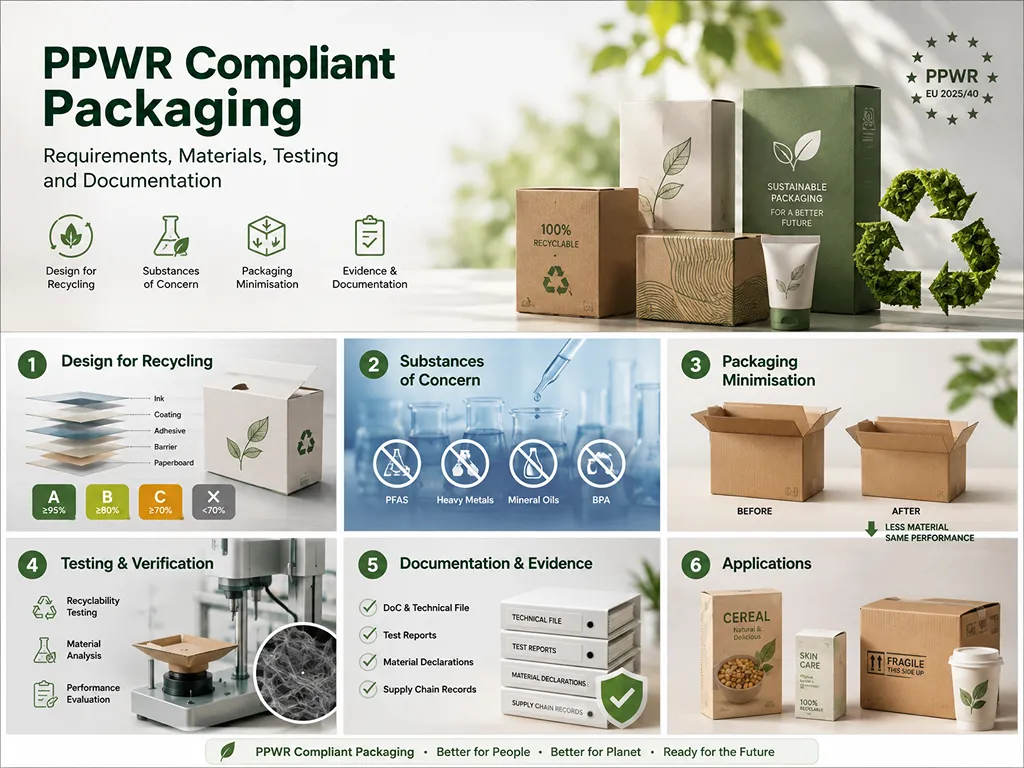
Knowing how to audit a packaging factory prevents unexpected structural failures and costly packing line shutdowns. Placing capital deposits based on digital brochures exposes your brand to unvetted machinery setups, color drift, and uncalibrated tooling.
Our on-site protocol benchmarks packaging manufacturers against rigorous operational standards. We evaluate Delta E color limits, ISO準拠, and AQL-based sampling plans to help you secure a repeatable production run.
What Is a Packaging Factory Audit
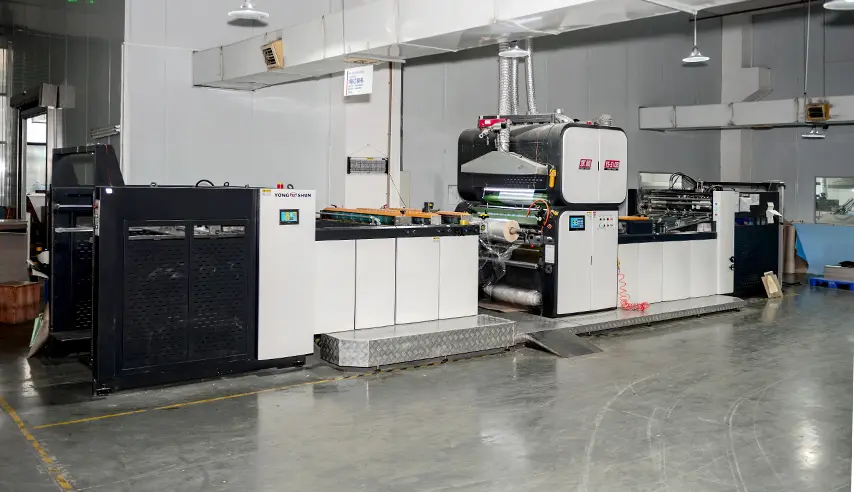
A packaging factory audit qualifies a supplier’s long-term capability and regulatory compliance on-site before you risk capital or expose your brand to production failures.
Defining the Purpose and Core Objectives
When you source packaging, you cannot rely on digital brochures. A packaging factory audit is an in-person, hands-on diagnostic of a manufacturer’s facility to ensure they can actually build what they promise.
- On-Site Evaluation: Assessing the physical plant, machinery status, and technical quality systems to verify real capacity before you issue deposits.
- Legitimacy Verification: Confirming legal business registrations, tax filings, export permits, and local environmental compliance to eliminate shell companies.
- Quality Workflow Auditing: Reviewing raw material checks, tooling, dimensional tolerances, and color management setups for brand-critical consistency.
- Risk Mitigation: Locking down supply chain security, specifically for highly regulated food-contact, 化粧品, and medical device packaging.
This process acts as an insurance policy. It exposes bottlenecks and legal vulnerabilities before production starts, saving you from receiving warped boards, bleeding inks, or non-compliant raw materials.
Distinction Between Factory Audits and Product Inspections
Many buyers mistake pre-shipment inspections for factory audits. While both secure your supply chain, they focus on entirely different layers of quality control.
- Factory Audits: Evaluates the entire manufacturing plant, workforce skill, machine calibration, and long-term capability to run your product lines.
- Product Inspections: Targets specific completed batches of finished packaging, checking dimensions, visual compliance, and sealing integrity before loading.
- Strategic Application: Audits act as a preventative, pre-contract qualification tool to select a reliable partner. Inspections serve as the daily gatekeeper for active orders.
Think of the audit as qualifying the engine, and the inspection as checking a single journey. You need the audit to ensure the factory can repeat success, and the inspection to confirm they did so for that specific run.
Why Factory Audits Matter Before Ordering

Auditing a packaging factory before placing an order protects your capital, verifies actual production capacity, and guarantees compliance with material and regulatory standards.
Placing a deposit based on polished sales brochures and digital certificates is a major risk. A pre-order audit forces you to look past the marketing claims and verify what is actually happening on the production floor. This step gives you raw, verifiable data to make an informed sourcing decision before your money is exposed.
Risk Mitigation and Verification of Packaging Capabilities
Technical mismatches between your packaging design and a supplier’s actual machinery lead to expensive delays. By sending an auditor to walk the factory floor, you verify the factory’s physical setups and eliminate execution risks early in the sourcing cycle.
- Early Defect Detection: Auditors catch structural, print, and material flaws on-site before mass production begins, keeping correction costs near zero.
- Throughput Verification: We count active machinery and measure actual run speeds to confirm the plant can meet your delivery schedules.
- Subcontracting Checks: The audit reveals if the factory outsources critical steps like lamination, 印刷, or die-cutting to unvetted third parties.
- Capital Protection: Verifying technical capabilities before wire transfers protect your investment in complex, high-value packaging designs.
Supplier Alignment with Quality, 規制, and Ethical Standards
Packaging must do more than look good on a screen; it has to run through automated packing lines and survive transit. If the supplier’s material standards or compliance controls do not align with yours, your entire supply chain stalls.
- Specification Matching: On-site checks confirm the factory can meet strict tolerances for color consistency (Delta E limits) and paperboard grade.
- Downstream Protection: Proper dimensional verification prevents jams and line stoppages during automated packing and filling operations at your warehouse.
- Regulatory Auditing: We verify food-contact and pharmaceutical compliance directly to prevent contamination risks and product recalls.
- Supply Chain Integrity: Evaluating worker safety, waste control, and certified fiber tracking (FSC) secures your brand’s compliance standards.
Scale Your Brand with Premium Custom Packaging

ステップ 1: Verify Business Licenses & 認証
Verifying official business scopes and authenticating material certificates prevents dealing with paper brokers and ensures legal regulatory compliance.
Business License Verification and Factory Status Auditing
We start by separating actual manufacturers from paper brokers. Skipping this step means risking paying a premium to a trading company that owns zero machinery.
- 18-Character USCC: Run the Unified Social Credit Code, or regional registration number, through official databases to confirm the entity remains active.
- Manufacturing Scope: Confirm the business scope explicitly includes “製造業” または “印刷” rather than just sales, consulting, or trading.
- Physical Address Match: Cross-match the registered office location with satellite maps or live video walkthroughs to confirm a physical facility exists.
- Entity Alignment: Verify the corporate name matches perfectly across the business license, corporate bank accounts, and pro forma invoices.
Discrepancies in corporate names or a trading-only scope are immediate dealbreakers. Legitimate factories maintain clean alignment across all legal documents to ensure smooth export customs clearance.
Authentication of Management Systems and Material Certifications
Never take PDF certificates at face value. Slippery suppliers frequently photoshop expiry dates or pass off their subcontractors’ credentials as their own.
- ISO 9001 & ISO 14001: Input the certificate registration numbers directly into official databases like IAF CertSearch to verify active status.
- Material Compliance: Validate forestry and textile-specific registrations, including FSC, PEFC, or GOTS, to prove sustainable raw material sourcing.
- Food-Contact Certification: Check migration test reports and local hygiene licenses if the packaging directly touches food or pharmaceuticals.
- Red Flags: Flag expired documents, missing registration numbers, and certified addresses that do not match the physical production site.
We always double-check the audited scope. A valid ISO 9001 certificate covering “metal parts assembly” does nothing to prove a supplier can manufacture food-grade paper packaging.
ステップ 2: Evaluate Production Equipment & 容量

A rigorous audit matches actual machine output against sales claims, exposing bottlenecks and ensuring your packaging lines scale without unexpected downtime.
Never rely on a sales deck to gauge a supplier’s machinery status. Walk the floor and build a physical inventory to confirm what exists, what runs, and what actually fits your job specifications.
Mapping Packaging Assets and Technical Capabilities
A physical walkthrough exposes the gap between a factory’s marketing brochure and its real-world manufacturing limits. Older, non-upgraded machinery often correlates with high output variance and frequent breakdowns.
- Asset Inventory: Document machine types, manufacturer year, and automation levels of form-fill-seal lines, folder-gluers, and printing presses.
- Technical Limits: Verify exact tolerances for packaging dimensions, film thicknesses, and material composition against your design files.
- Changeover Efficiency: Assess the setup times between different formats and check for standardized quick-change tooling to minimize downtime.
Quantifying Operational Capacity and Performance Metrics
Stated capacity is usually a theoretical number calculated under perfect conditions. Real output depends on shift patterns, labor availability, and line efficiency.
- Actual Throughput: Use machine-hour formulas to calculate nominal capacity versus actual output, accounting for planned breaks and maintenance.
- OEE Tracking: Review Overall Equipment Effectiveness data to measure performance, availability, and quality trends over the last three months.
- Bottleneck Identification: Find the slowest machine on the line—which dictates the actual run speed—and evaluate the preventive maintenance plan.
Analyzing these metrics prevents supply chain failures. A supplier running at 95% capacity has zero flexibility to absorb your seasonal volume spikes, making buffer systems and scalability plans essential.
ステップ 3: Review Quality Management Systems
Reviewing the factory’s quality management system ensures a repeatable, certified process protects your packaging runs from manual error, raw material shifts, and sudden production pressures.
Documented Quality Foundations and Governance Protocols
We start by checking if the factory’s paperwork matches shop-floor reality. Many suppliers display certificates that apply to sister facilities or completely different product lines.
- Active ISO 9001 and Forestry Certifications: We match the registered address and scope specifically to the active production lines running your order.
- Document Control Accuracy: We audit the revision histories, approval signatures, and distribution dates on quality manuals and standard operating procedures.
- QA Team Independence: We verify that the quality assurance manager reports directly to executive management rather than the production supervisor to prevent corner-cutting during tight schedules.
- Operator Competency Reviews: We check training logs and scheduled performance reviews for operators running critical machinery on your specific line.
Directing production staff to halt a run requires authority. If the QA team reports to the production manager, they will inevitably pass borderline defects to hit output targets.
Operational Controls, Traceability, and Continuous Improvement Systems
Consistency depends on tight, measurable controls at each stage of production. A single batch of bad adhesive or uncalibrated tooling can ruin an entire shipment if your supplier lacks live tracking systems.
- Approved Supplier Database: We confirm that the receiving team verifies Certificate of Analysis records against incoming raw material specs before storage.
- In-Process Quality Gates: We monitor live operator checks on critical specs during molding, 印刷, and gluing runs.
- Lot Traceability Exercises: We select a random finished carton to run a backward-trace test to find the exact raw material batch used.
- Quarantine and CAPA Logs: We check the physical quarantine areas for clear labeling and inspect root-cause analysis records in the corrective action logs.
Look for raw data on the factory floor. If operators fill out inspection sheets perfectly in identical handwriting at the end of a shift rather than hourly, they are falsifying records.
ステップ 4: Inspect Printing & Finishing Processes
Validate print registration and finishing durability on the factory floor to prevent downstream assembly failures and brand color drift.
Relying on press operators’ visual checks to catch color drift is a liability. Printed packaging demands strict, objective verification parameters directly at the press to maintain quality throughout long production runs.
Print Quality, Registration, and Color Control Verification
To secure exact color representation and clear artwork, auditors should isolate and check the following technical parameters during active production:
- Proof Comparison: Compare the active production output against approved physical proofs or reference cards to verify color accuracy, sharpness, and clean text registration.
- Interval Checks: Inspect registration marks, color bars, and alignment every 15 に 30 minutes during the run to keep multi-color print within stated tolerances.
- Measurement Tools: Use spectrophotometers or densitometers to monitor color drift rather than relying solely on visual inspection.
- Ink and Calibration Records: Check ink management records for batch controls, viscosity, target density, and drying behavior alongside press calibration logs.
This disciplined approach ensures that your brand colors remain uniform across millions of impressions without variance between batches.
Finishing Quality, 構造的完全性, and Functional Performance Testing
A perfect print job fails if the lamination peels or the glue joint fails on the filling line. Finishing audits must stress-test physical durability before the packaging reaches transport phases.
- Visual Defects: Examine coatings, laminations, 箔押し, and embossing under appropriate lighting to detect defects like bubbling, peeling, or cracking.
- Trimming and Folding: Confirm that cutting, trimming, and folding actions produce clean, even edges at the correct positions with no cracking along the folds.
- Physical Stress Tests: Conduct rub resistance, tape adhesion, and scuff tests to ensure the finish survives downstream transit and handling.
- Structural Assembly: Verify flap positions, glue application, and seal integrity for structural components to prevent product failure during final assembly.
Verifying these parameters on the floor prevents collapsed boxes and expensive jamming issues on automated packing lines.
ステップ 5: Assess Sample Consistency
Assessing sample uniformity across visual, dimensional, and functional metrics ensures batch consistency and prevents defective runs from reaching your filling lines.
Variation ruins packaging runs and causes costly stoppages on automated filling lines. Checking sample uniformity across the entire batch tells you if the factory operates a stable process or if they simply got lucky on a few showcase units.
Evaluation Criteria for Visual and Functional Uniformity
Auditors must evaluate physical samples against the approved specification sheet using distinct visual, 機能的な, and structural parameters:
- Visual and dimensional attributes: Auditors verify print alignment, color matching, and physical package measurements against specifications to identify structural or aesthetic defects.
- Functional and material performance: Testing seal strength, closure functionality, flap sealing, and material thickness across selected samples confirms consistent barrier integrity.
- Artwork and labeling compliance: Direct comparison of printed elements, ロゴ, and active barcodes on the physical samples against the controlled master artwork version prevents costly branding and scanning errors.
- Production run risk points: Checking for variation patterns caused by line startup, mid-run drift, end-of-run depletion, or incoming supplier material quality shifts exposes process instability.
Audit Procedures and Evidence Collection for Batch Control
A reliable assessment requires disciplined procedures on the factory floor. Relying on the manufacturer to hand-select samples invites bias; auditors must enforce strict sampling protocols.
- AQL-based sampling plans: Auditors apply structured ISO 2859-1 random sampling throughout the lot rather than convenience sampling from easily accessible top layers.
- Master standard comparison: Inspection requires checking pulled samples against approved reference physical retains or signed master sheets under standardized inspection lighting.
- Evidence and documentation requirements: The audit trail relies on raw sampling records, dimensional measurements, photo logs of defects, and formal batch disposition decisions.
- Control mechanisms for line consistency: The facility must use version-controlled master samples on the floor and schedule mandatory re-inspection after line modifications or major mechanical events.
ステップ 6: Audit Supply Chain & Material Traceability
Traceability drills and mass balance metrics verify if a factory can isolate defective substrates, インク, and adhesives before they compromise your B2B packaging run.
We test the supplier’s actual record-keeping by initiating unannounced traceability drills. Do not let the plant manager hand-wave this step with a verbal explanation; force their team to run a live test on the floor.
Execution of Forward and Backward Traceability Drills
A reliable packaging plant must show a complete pedigree for every finished box, roll, or label. We run two distinct exercises to verify their tracking system behaves as promised.
- Backward Trace Execution: We select a finished packaging lot and track it back to all source raw materials, including paperboard, ink batches, and adhesives.
- Forward Trace Execution: We pick a single incoming raw material lot from the warehouse and follow it forward to all affected work-in-process, completed units, and customer shipments.
- Mock Recall Metrics: We measure the speed and percentage accuracy of the factory’s material reconciliation records during simulated recalls.
- Identifier Verification: We cross-check unique lot identifiers across warehouse management systems and physical labels to spot manual record gaps.
A factory with solid systems typically completes a full backward trace in under two hours. If their team scrambles for paper files or shows fragmented spreadsheets, your supply chain remains highly exposed to recall risks.
Mass Balance Verification and Audit Metrics
Material reconciliation proves if the factory maintains tight operational discipline. If inputs do not equal outputs plus documented waste, the supplier lacks control over their production lines.
- Volume Reconciliation: We compare issued raw material quantities against completed goods, recorded scrap, and any reintroduced rework to pinpoint volume discrepancies.
- Line Clearance Verification: We inspect line clearance procedures to confirm that operators remove all previous artwork versions and labels before starting a new run.
- Operational KPIs: We track trace completion time, reconciliation variance percentage, and historical supplier compliance scores.
- Inbound Substrates: We audit incoming certificates of analysis and conformity to verify complete genealogy records for all base materials.
Unreconciled scrap often masks hidden quality failures or unauthorized subcontracting. Verifying these metrics ensures you pay for actual yield, while keeping incorrect artwork or low-grade materials out of your shipments.
Common Red Flags During a Factory Audit
Spotting red flags during a packaging factory audit prevents costly line stoppages, product recalls, and brand damage before you sign contracts or pay deposits.
Walk the production floor to observe the actual execution of quality controls, machine operations, and material handling instead of relying on theoretical promises. Real-world floor practices quickly expose whether a supplier maintains operational discipline or just stages a clean setup for visitors.
Operational and Technical Discrepancies on the Production Floor
- Neglected line clearance: Leaving leftover labels, printed sheets, or old raw materials near the line during a job changeover causes disastrous packaging mix-ups.
- Poor equipment upkeep: Running printing presses with visible leaks and lacking standardized color management tools like calibrated spectrophotometers guarantees color drift.
- Broken material tracking: Failing to link finished packaging back to the incoming paperboard or film lot destroys your recall readiness.
- Incomplete quality checks: Skipping scheduled in-process inspections and shipping orders without authorized final release signatures shows a lack of systematic control.
These floor-level failures show that the factory operates on reactive fixes rather than a systematized quality control culture. If the staff bypasses daily discipline, your packaging runs will suffer from color drifts and structural failures.
ドキュメント, コンプライアンス, and Behavioral Warning Signs
Documentation audits and staff interactions reveal the true operational transparency of a supplier, exposing misrepresentations before they affect your orders.
- Unverifiable certifications: Presenting expired, suspended, or forged quality and social compliance certificates indicates systemic compliance failures.
- Hostile audit behavior: Restricting access to the QC lab, printing hall, or warehouses during the walkthrough signals hidden defects or unauthorized subcontracting.
- Inflated capacity metrics: Claiming daily throughput numbers that do not match the physical machine counts, workforce size, or active shift patterns.
- Careless material storage: Storing paperboard, films, or finished cartons directly on floors without moisture barriers, causing warping and strength loss.
When a factory hides physical spaces or fudges capacity numbers, they are likely outsourcing your production to unvetted subcontractors. Real partners offer complete transparency because their processes actually stand up to scrutiny.
Factory Audit Checklist
This checklist ensures your packaging supplier possesses the actual technical capability, verified certifications, and bulletproof traceability required to protect your brand from catastrophic field failures.
| Audit Focus | Primary Benchmarks | High-Risk Red Flags |
|---|---|---|
| Core Production & 品質 | ISO 9001 and FSC registry checks, delta-E limits, registration tolerances, artwork change control. | Visual-only color evaluation, uncalibrated equipment, expired certificates. |
| Traceability & コンプライアンス | Raw-to-finished lot linkage, scrap bin audits, safety and environmental standards, category-level scoring. | Fragmented record keeping, undocumented waste, unauthorized subcontracting. |
Vague marketing claims do not keep a high-speed filling line running. You need objective data. Our on-site audit protocol dissects the exact operational variables that dictate packaging quality, safety, and supply chain continuity before you commit capital.
Core Production Capability and Quality Management Audit
We bypass digital copies of certificates. Our process requires direct verification of active business licenses, ISO 9001 品質管理, and FSC chain-of-custody certifications with the original issuing bodies. This step confirms the factory operates legally and holds valid, non-expired credentials.
We run physical checks on active machinery rather than relying on equipment inventories provided by sales representatives. We evaluate technical performance parameters directly on the production floor:
- Press Capabilities: We inspect offset, フレキソ印刷, and digital press configurations to verify they match substrate and speed requirements. We check finishing registration tolerances on die-cutting, creasing, and folding lines.
- カラーマネジメント: We analyze color management protocols, target delta-E parameters, spectrophotometer calibration status, and first-article approval workflows under standardized lighting.
- Change Control: We evaluate documented change control procedures for substrates, インク, adhesives, and master artwork revisions to prevent unapproved product changes.
Supply Chain Traceability and Factory Compliance Verification
Traceability protects your supply chain from liability. We review incoming quality control inspections and trace finished batch run numbers back to raw substrate lots. This ensures the factory can execute a targeted quarantine in the event of a material defect.
We run dedicated process integrity checks on-site. We deploy a scrap bin inspection protocol to check external waste zones and expose unauthorized subcontracting, comparing physical waste types against the declared process map.
Our compliance assessment focuses on environmental and safety risks:
- HSE Infrastructure: We audit factory facilities for worker safety, emergency exits, dust extraction, and hazardous chemical storage, including solvents and inks.
- Performance Scoring: We calculate category-level performance scores based on objective checklist criteria to assign a definitive audit outcome of pass, conditional, or refer.
A conditional outcome requires a documented corrective and preventive action (CAPA) plan, with verified implementation before placing bulk production orders.
よくある質問
What is a factory audit, and how does it differ from a pre-shipment inspection?
A factory audit evaluates the manufacturer’s facility, systems, and long-term capability to produce packaging consistently. It checks if the supplier can perform to your standards over the long haul. A pre-shipment inspection checks a specific completed batch of packaging before delivery to verify order quantity, 寸法, print registration, and immediate defect tolerances.
What certifications should a reliable packaging factory hold?
Standard packaging plants should maintain ISO 9001 for quality management and ISO 14001 環境管理のために. 商品によっては, look for FSC or PEFC chain-of-custody for paper, BRCGS Packaging Materials or FSSC 22000 for food-contact, and ISO 15378 for pharmaceutical packaging.
How long does a packaging factory audit typically take?
An audit takes one to three days on-site depending on the plant’s size and complexity. Smaller factories with limited product lines require one day, while large facilities with diverse processes like extrusion, 印刷, and converting take two to three days.
Can audits of packaging suppliers be conducted remotely?
Remote audits work well for initial screening, follow-up, or document-based reviews using live video and screen sharing. But they have clear limits when you need to verify hygiene, pest control, or complex converting line changeovers. High-risk categories like food or pharma packaging still require on-site visits.
What are the main red flags to look for during a packaging factory visit?
Key warning signs include expired or unverifiable certifications, poor traceability from finished products back to raw materials, uncalibrated testing equipment, disorganized raw material storage, and signs of hidden subcontracting like mismatched scrap types in waste zones.
How much does a factory audit cost, and should startups invest in them?
Third-party audits in Asian manufacturing hubs generally range from USD 300 to USD 700 per man-day. Startups should conduct audits to protect their unit economics, but they can keep costs low by using a risk-based approach that starts with desk-based legitimacy reviews.
最終的な考え
Securing a reliable packaging supply chain requires more than reviewing digital brochures or trusting low-cost promises. Deploying a structured, on-site audit protocol is the only way to safeguard your capital and prevent catastrophic line stoppages before production begins. By validating real-world capacity, 材料のトレーサビリティ, and quality systems on the factory floor, you protect your brand from costly defects and transit failures.
Don’t leave your packaging quality to chance. We recommend booking a strategy session with our audit specialists to customize this inspection framework for your specific packaging materials and supply chain needs. 私たちのチームに連絡してください today to review your supplier list and lock down your quality control roadmap.