Home

>

Case Studies

>

How We Took REVERB Automotive Display Packaging from Artwork to Mass Production Under a Tight Deadline
How We Took REVERB Automotive Display Packaging from Artwork to Mass Production Under a Tight Deadline

With a fixed delivery date and no time for a conventional international sampling cycle. REVERB needed a complex automotive display package to move from artwork to production fast. PackCCP compressed the approval process without removing the critical physical checkpoints, using component-level verification, a production-equivalent sample, and visual updates throughout manufacturing.

Project Snopshot

Customer:
REVERB
Market:
Uruguay
Industry:
Automotive Electronics
Product:
In-Car Display / Infotainment System
Packaging type:
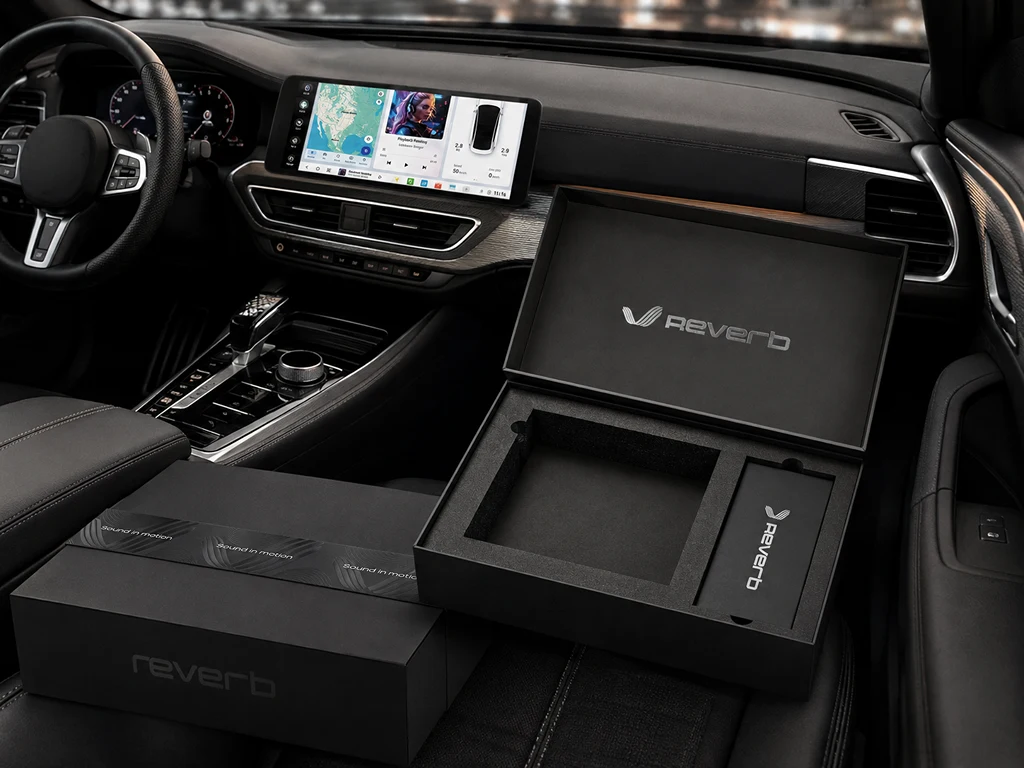
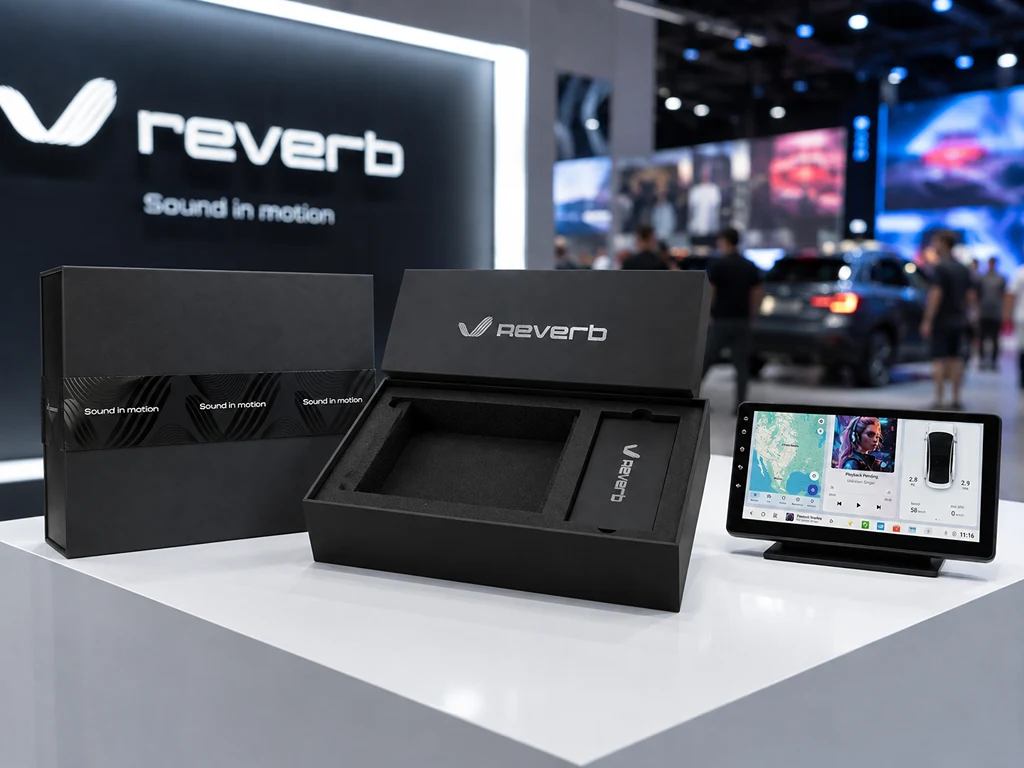
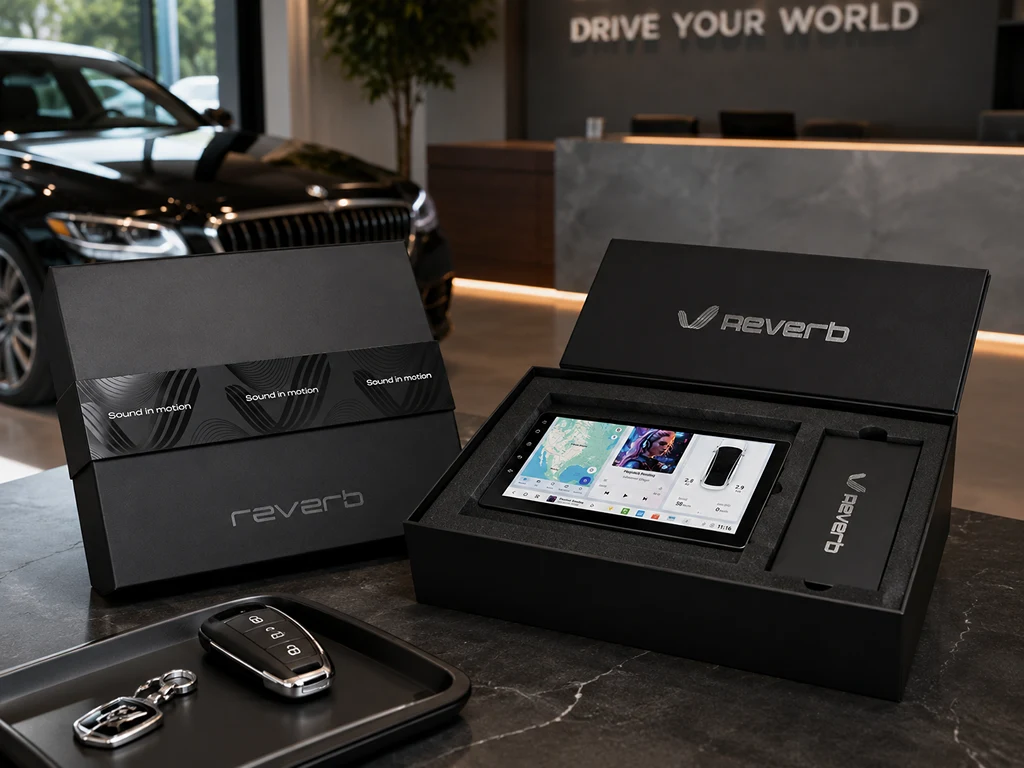
Two Piece Premium Rigid Box
Customization:
Main Display Cavity, Separate Accessory Compartment, Printed Retail Band
Material & Finish:
Matte-Black Rigid Box, Branded Interior, Multi-Surface Printing
Lead Time:
Timely Delivery
Consultant:
Irene

00  Project Overview

REVERB needed retail-ready packaging for an automotive display system, but the launch schedule left no room for a normal sample–revision–resample cycle. Rather than treating it as a simple rush order, PackCCP converted the project into a controlled fast-track workflow: break the package into individual risk points, confirm critical details quickly, create a production-equivalent physical reference, and keep the client involved while mass production moved forward.

01  The Challenges

No Room for a Normal Sampling Cycle

Conventional sample shipment, review, revision, and second approval round would have pushed the project beyond the required delivery date. Speed was necessary, but eliminating physical verification entirely would have transferred too much risk into mass production.

Too Many Components to Get “Almost Right”

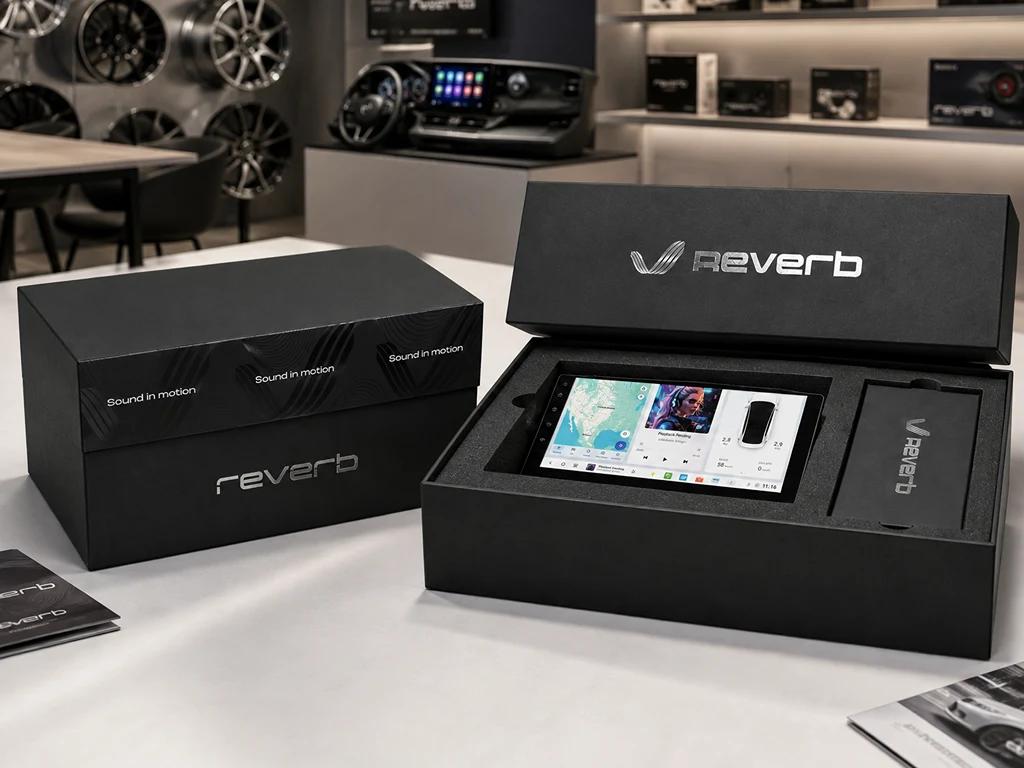
The package combined the outer rigid box, fitted insert, accessory compartment, printed band, interior branding, and rear information panel. A small mismatch in one element could make the entire finished set look or function incorrectly.

Retail Presentation Had to Survive the Rush

REVERB sells through physical retail stores, so the box could not look like an emergency production job. The exterior, opening experience, insert layout, branding, and product information still had to present the automotive display as a higher-value retail product.

02  Our Solutions

We did not remove the approval process; we compressed it around the details most likely to cause expensive production mistakes.

Breaking the Package Into Separate Control Points

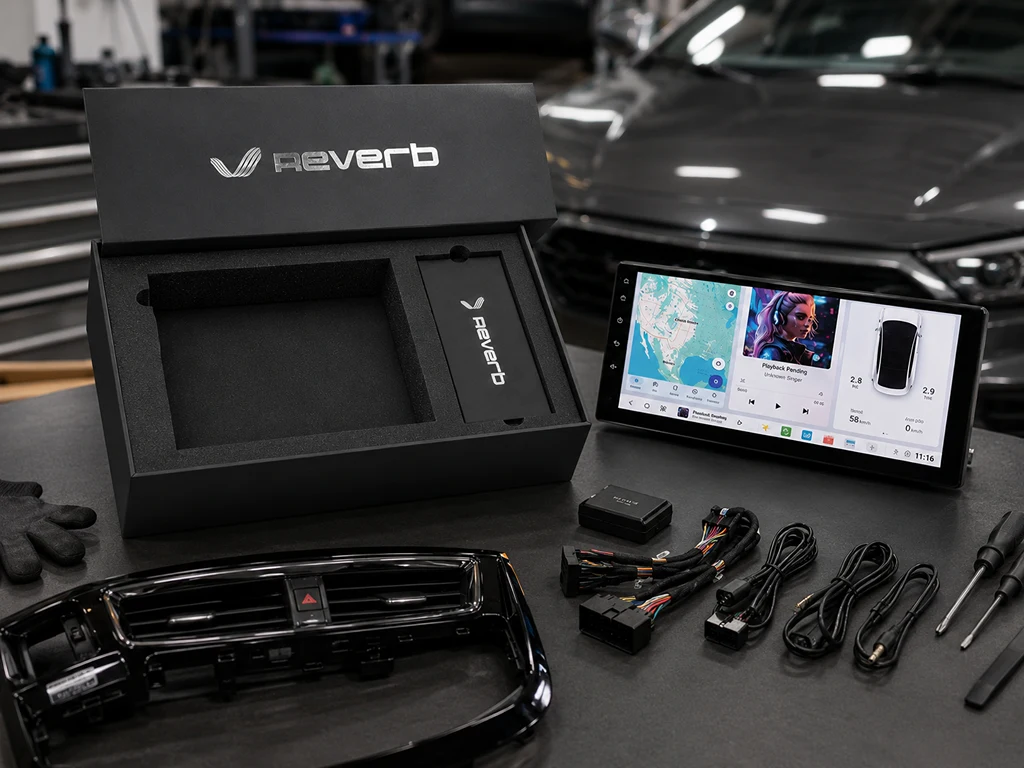
Instead of checking the rigid box as one finished object, we reviewed the outer structure, insert fit, accessory compartment, logo placement, printed band alignment, rear information panel, and final assembly separately. This made it easier to identify where a small error could affect the overall packaging system.

Replacing a Long Sample Cycle With a Physical Production Reference

Artwork, material references, dimensions, photos, and construction details were confirmed quickly before the factory created a production-equivalent sample. That unit became the final physical checkpoint—not another long sample round—allowing the client to see the real construction before the remaining quantity accelerated.

Using Production Updates as Part of Quality Control

Photos and videos were shared at key manufacturing stages rather than waiting until the complete order was packed. Visible details such as logo position, surface appearance, insert layout, accessory placement, band alignment, and overall presentation could therefore be checked while production was still in progress.
03  How We Executed the Project

Stage

What We Did

Why it Mattered

Deconstruct the Risk

what

Separated the packaging into key control points: rigid structure, insert, accessory compartment, branding, printed band, rear information panel, and assembly.

why

Prevented a single “overall box check” from hiding errors in individual components.

Compress the Approval Loop

what

Confirmed artwork, materials, construction details, dimensions, and visual references directly with the client without waiting for a conventional international sample cycle.

why

Saved time without turning mass production into the first point of real verification.

Lock a Physical Reference

what

Created a production-equivalent unit using the actual construction direction and used it as the benchmark for the remaining quantity.

why

Gave both the factory and client a tangible standard for appearance, fit, and assembly.

Verify During Assembly

what

Shared production photos and videos and checked the complete packaging again after all separately produced components were assembled together.

why

Ensured the final quality was judged as one retail packaging system, not as isolated parts.

04  Outcome & Client Value

Fast-Tracked Without Losing the Critical Checkpoints

The deadline was shortened by compressing verification—not by removing it. A physical production reference and live visual checkpoints kept the project controlled while mass production moved forward.
reverb-automotive-display-packaging-back-1024x768 (2)

05  Technical Summary

Custom Development

Built around real product needs

Sample Validation

Checked before full production

Production Control

Key details tracked throughout

Quality Inspection

Verified before
shipment

Delivery Support

Packed and coordinated for shipping

06  Related Case Studies

Customer Success Stories

Stay informed with the latest case studies and advancements from our team.

Planning a Packaging Launch on a Tight Schedule?

We help brands move from concept to production with less risk and more certainty — no matter the industry or timeline.

Order Now

*All your information are respected & protected in Packccp.