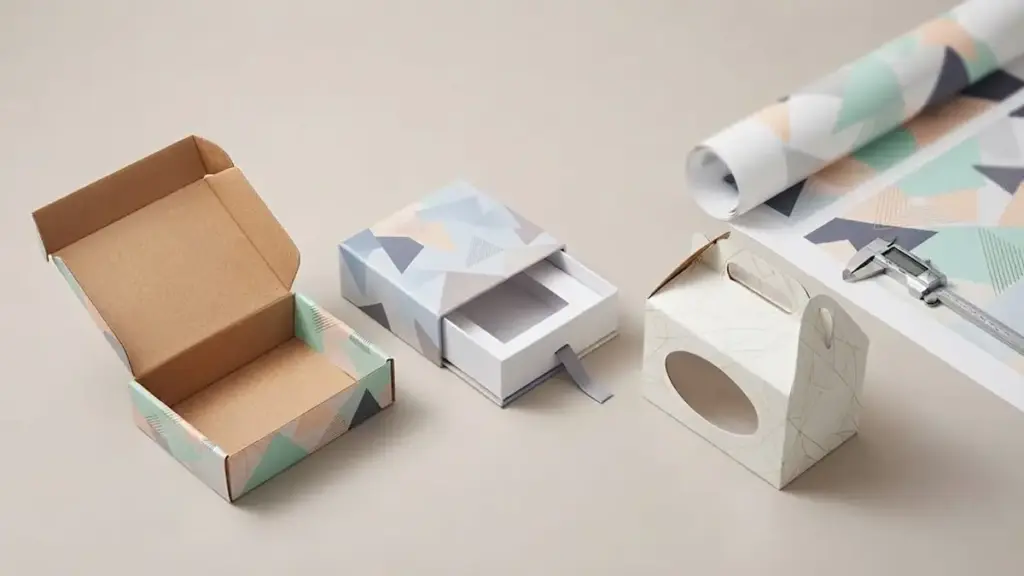
Designing a custom mailer box requires balancing product protection, كفاءة الشحن, وعرض العلامة التجارية. Choosing the right materials, structural design, and internal dimensions helps prevent product damage, reduce unnecessary shipping costs, and create a better unboxing experience.
This guide explores how corrugated structures, closure styles, printing methods, and interior design elements influence the performance and visual impact of custom mailer boxes. By understanding these key design factors, brands can develop packaging solutions that protect products during transit while strengthening customer engagement and brand recognition.
Why Custom Mailer Box Design Matters for eCommerce
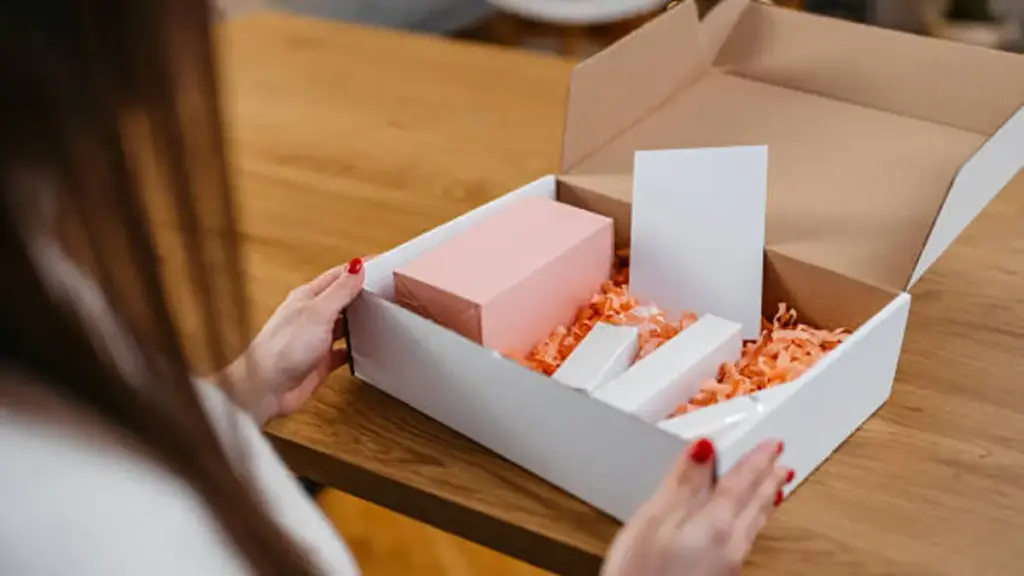
Unboxing is often the first physical interaction customers have with an eCommerce brand. A well-designed packaging experience can improve perceived value, strengthen brand recognition, and encourage repeat purchases.
Psychological Effects of the First Physical Touchpoint
The digital buying journey reaches an important moment when the package arrives. At this stage, the physical box becomes an important part of the customer’s brand experience, acting as a tangible representative of your brand standard.
- Raising perceived value: Well-designed packaging elevates the perceived value of goods by up to 35%.
- Reducing buyer regret: An orderly reveal sequence reassures customers and builds confidence in their purchase.
- Strengthening physical brand presence: Direct-to-consumer brands use the shipping box to deliver visual identity when digital interactions end.
Customers associate structured, gift-like presentations with higher product quality, which helps neutralize post-purchase anxiety and confirms they made the right decision.
Financial and Marketing Benefits of Custom Packaging
Custom packaging shifts the box from an operational expense to a high-yielding marketing asset. Investing in the presentation stage yields measurable improvements in customer lifecycle value and brand reach.
- Boosting customer retention: High-quality unboxing experiences raise repeat purchase rates by 28%.
- Spurring organic social sharing: Striking mailer designs encourage buyers to create and post unboxing videos.
- Creating competitive differentiation: Unique opening sequences separate brands from competitors using generic boxes.
Since many customers share memorable packaging experiences on social media, a distinctive mailer box can become an additional channel for brand exposure.
Choosing the Right Structure for Custom Mailer Boxes
Matching closure styles, board grades, and exact internal dimensions to your product’s weight guarantees transit protection and clean unboxing without excess shipping fees.
Closure Styles and Structural Configurations
Selecting the correct custom mailer boxes configuration directly impacts fulfillment throughput and how the package performs in the parcel network. Standardizing your closure system eliminates unnecessary assembly steps and packing tape.
- Roll-End Tuck Top (RETT): These configurations provide a tape-free, retail-ready presentation ideal for subscription boxes and direct-to-consumer shipments where the unboxing flow requires a clean, uninterrupted reveal.
- Self-locking mailer structures: These designs use integrated tabs and locking panels to eliminate tape during assembly, making them suitable for eCommerce fulfillment and subscription packaging.
- Reinforced Corrugated Builds: This configuration uses double-wall panels and interlocking tabs. The structural reinforcement delivers high-impact drop protection without requiring excess tape or outer wrapping.
We recommend RETT structures for lightweight retail goods. For heavier products or high-volume operations, reinforced mailer structures provide additional protection while improving packing efficiency.
Flute Profiles and Dimensional Sizing Standards
The relationship between flute profile and interior measurements determines both shipping costs and product safety. You must calculate dimensions from the inside out to ensure a secure fit.
- E-Flute and B-Flute Selection: E-flute provides an excellent printing surface for detailed graphics and lightweight packaging, while B-flute offers greater thickness, توسيد, and structural support for products requiring enhanced protection.
- Inside Dimension Calculations: Always design around exact product sizes. Allow sufficient clearance for inserts, tissue paper, or protective materials based on the product dimensions and packaging structure.
- Prototyping and Material Stress Testing: We run drop and compression tests on physical samples to verify that the structure resists bowing, crushing, and internal shifting under real transit conditions.
Using the smallest possible footprint prevents your product from sliding around. This tight fit lowers your material costs and helps you avoid carrier dimensional-weight surcharges.
Elevate Your Brand With Custom Mailer Boxes
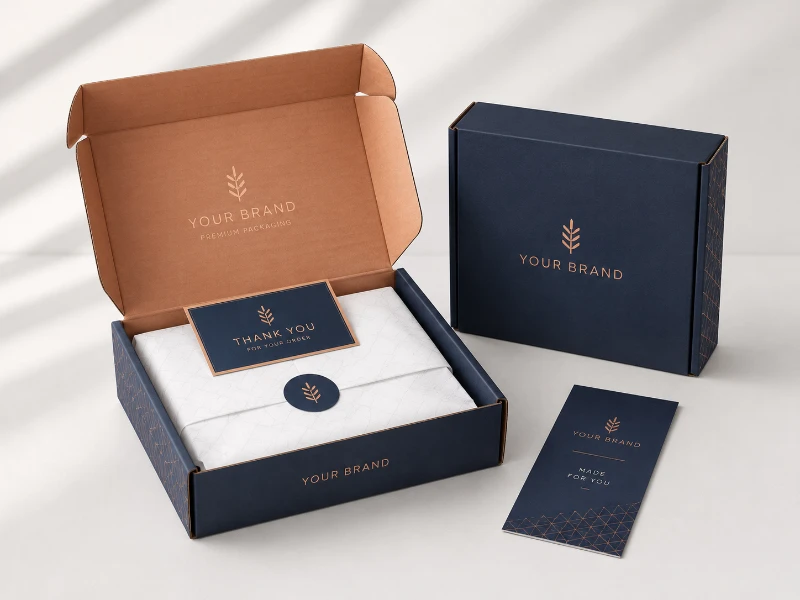
Exterior Design Elements for Custom Mailer Boxes
Smart exterior box design pairs bold visual restraint with exact technical execution to maximize instant doorstep recognition and withstand real-world shipping transit.
Visual Strategy and Core Layout Principles
The outer surface of your mailer box serves as the initial physical touchpoint for your brand. To command immediate attention on the doorstep, keep your message focused and your canvas uncluttered.
- Brand recognition: Place your primary logo on a flat, uninterrupted panel away from fold lines and locking tabs to build immediate visual impact rather than relying on dense text.
- Safety buffer: Keep a clear isolation zone around the logo that measures at least the height of the mark, and restrict the total logo width to between 30 و 50 percent of the panel width.
- Typography hierarchy: Use one primary typeface and one supporting font, creating clear contrast through weight and size variation rather than adding extra styles.
- Visual coordination: Align the exterior color scheme and minimalist layout with your online footprint to create a unified customer journey from screen to doorstep.
- Postal safety zones: Keep your graphic elements completely clear of standard carrier barcode areas and shipping label locations to guarantee safe transit and processing.
Technical Setup and Production Standards
A flawless visual design fails if the production file lacks technical precision. Translate your brand layout into high-performance physical packaging with clean setup workflows.
- Dieline integration: Map all artwork directly to the manufacturer dieline template and embed high-resolution, 300 DPI CMYK graphics to avoid pixelated prints.
- Bleed alignment: Pull background colors all the way to the outer bleed indicators and lock crucial text safely inside the inner safety boundaries to avoid visual collapse at the folds.
- Finishing selection: Apply a matte coating to convey an understated, modern tone, or choose a high-gloss finish to maximize color vibrancy and contrast.
- Physical proofing: Approve a physical sample on your chosen stock to confirm exact color reproduction and check panel alignment before running the full print batch.
- Transit stress testing: Run mock-shipment trials on printed prototypes to verify that your chosen ink and finish combination resists scuffs and handling damage.
الطباعة الداخلية & Brand Messaging
Interior printing turns the inside of a custom mailer box into an additional branding space, balancing high-impact branding with cost-effective production techniques.
| Messaging Type | Primary Purpose | Common Placements |
|---|---|---|
| رواية قصة العلامة التجارية | Introduces brand values, missions, and appreciation notes. | Inner lid, base walls |
| Functional Content | Provides care instructions, assembly steps, and return policies. | Side flaps, inside panels |
| Marketing Prompts | Drives customer retention, social shares, and repeat orders. | Dust flaps, inner lid bottom |
Applications of Interior Brand Messaging
Utilizing the interior surfaces of a mailer box converts passive transit packaging into an active touchpoint. Brands deploy these spaces for distinct communication goals, prioritizing visual engagement when the customer first lifts the lid.
- Unboxing Designs: High-impact graphics utilize the inner lid and flaps to display thank-you notes, brand stories, and social sharing prompts right at the peak of anticipation.
- Functional Layouts: Production teams place assembly instructions, product care guidelines, and returns info directly on inside panels to eliminate the cost of separate printed inserts.
- Marketing Panels: Strategic surfaces feature printed discount codes, referral offers, and QR codes that link directly to customer loyalty programs.
This targeted messaging catches buyers during the first ten seconds of opening, when attention is at its highest, reinforcing purchase satisfaction and reducing buyer regret.
Production Technologies and Cost Considerations
Integrating interior print requires matching design goals with production realities. Different print methodologies dictate the unit cost and order minimums, shaping the total packaging budget.
- Digital Methods: Digital presses print variable graphics for short runs, avoiding setup costs and plates, which works well for seasonal or test campaigns.
- Bulk Optimization: High-volume production relies on offset and flexography to dramatically reduce unit costs, maintaining precise Pantone color matching over large runs.
- Variable Data Setups: Advanced digital configurations allow suppliers to print unique customer names, promotional codes, or localized graphics in a single run.
- Ink and Substrate Upgrades: Interior ink application typically adds minor unit costs and sometimes requires a secondary 220gsm paper liner to achieve a smooth, high-fidelity finish.
Selecting the correct production setup prevents cost overruns. While digital options serve test volumes, bulk offset options offer the best financial returns once volume scales.
Custom Mailer Box Design Support From PackCCP
Creating an effective custom mailer box requires more than selecting materials and printing methods. PackCCP provides complete packaging solutions from structural design and artwork support to sampling and mass production. With an experienced engineering team and advanced production capabilities, we help brands optimize box structures, printing effects, and finishing options based on their product requirements.
Our fully customized service supports different industries, including apparel, مستحضرات التجميل, إلكترونيات, and retail products. From initial design discussions to physical sample approval, every step is carefully reviewed to ensure packaging quality and consistency. With efficient sample production within 3–7 days and strict quality control throughout manufacturing, PackCCP helps brands turn packaging concepts into reliable products ready for global distribution.
Custom Mailer Box Inserts and Unboxing Accessories
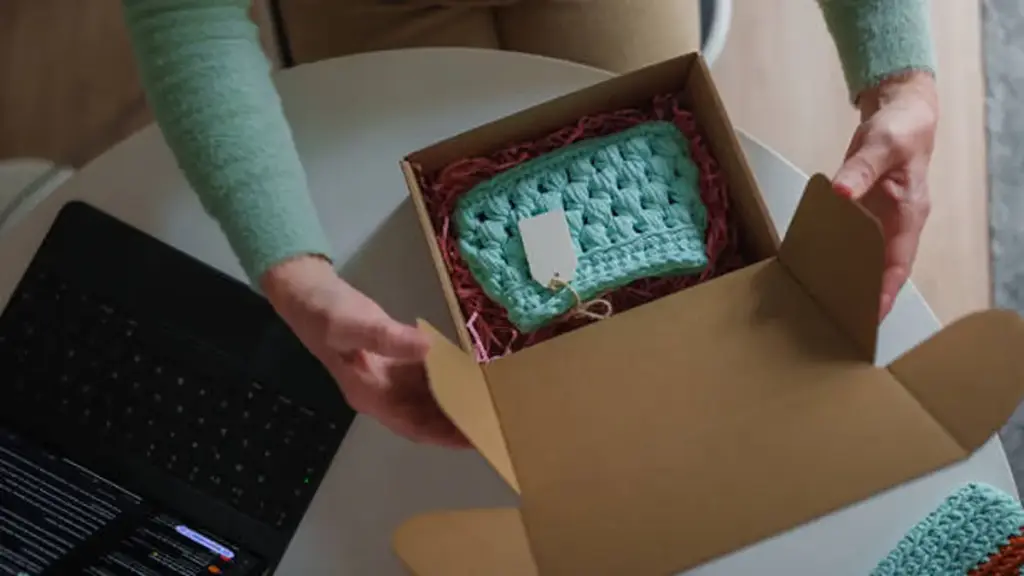
Custom tissue, stickers, and structural inserts balance unboxing presentation with transit protection, giving brands a cost-effective alternative to expensive external mailer upgrades.
Functional roles and cost structures of secondary packaging components
Secondary packaging elements protect products while driving brand recognition directly inside the shipping container. Adding these components allows you to elevate the unboxing experience without modifying the outer mailer box structure.
- Custom tissue paper: Costs between $0.08 و $0.15 per sheet for high-volume production, rising up to $0.40 for low-volume runs. It acts as the first visual layer inside the mailer.
- Branded stickers: Seal tissue wraps securely and reinforce exterior packaging. Bulk pricing runs $0.03 ل $0.06 لكل وحدة, while custom designs reach up to $0.30.
- Structural inserts: Use die-cut foam, cardboard dividers, or folded paperboard to block and brace fragile items while maintaining box load stability.
Combining custom printed tissue and stickers creates a premium unboxing flow at a fraction of the cost of structural box upgrades.
Sourcing integration, fit clearance, and quality testing standards
Integrating secondary components requires precise dimensional planning and validation. If you skip physical prototyping, tolerances shift during assembly, resulting in crushed products or a loose presentation inside the box.
- Clearance tolerances: Add approximately 0.25 inches of clearance for tissue wraps and 0.5 inches per side for custom protective inserts to ensure a proper fit.
- Design validation: Engineers validate insert performance by verifying physical pre-production samples and running shipping simulation tests before mass production begins.
- Quality control standards: Apply ISO 2859-1 sampling inspection standards during quality assurance to verify print registration, physical dimensions, and structural security.
- Assembly sequence: Pack in a disciplined layered reveal starting with exterior branding, moving to a sticker-sealed tissue wrap, and finishing with the insert-stabilized product.
- Adhesive requirements: Ensure all adhesives and closure methods comply with carrier regulations and remain functional across wide temperature variations to prevent split seams.
Balancing Protection and Presentation in Mailer Box Design
Successful mailer design balances structural crush resistance with a clean opening sequence, ensuring products survive transit while delivering an impactful unboxing experience.
Structural specifications for physical product safety
Product safety relies on matching the structural integrity of the corrugated board to the transit hazards of the shipping lane. Instead of over-packaging with plastic filler, specify materials based on target weight and vulnerability.
- Board Grades and Flute Profiles: Choose E-flute corrugated for lightweight cosmetics or small electronics to achieve a crisp fold. Use B-flute or double-wall C-flute to prevent crushing under stacking pressure for shipments exceeding five pounds.
- Interior Sizing Control: Specify internal dimensions rather than external measurements. Leave a tight 0.5-inch fitting allowance to minimize product transit movement and avoid dimensional weight shipping penalties.
- Custom Protective Inserts: Integrate die-cut cardboard dividers, molded pulp trays, or engineered foam inserts to lock products in place. These structures absorb shock during drops and eliminate the need for loose void fill.
Design elements for brand presentation and unboxing
The unboxing experience represents the first physical interaction a buyer has with an e-commerce brand. High-impact design uses the structural layout of the mailer to guide the user through a clean, memorable opening sequence.
- Self-Locking Geometries: Use Roll-End Tuck Top (RETT) or tab-lock structures to eliminate the need for messy packing tape. These designs keep the box closed in transit but open cleanly to protect the visual flow.
- Graphic Placement Strategy: Print minimal branding on flat, uninterrupted exterior panels to survive scuffing. Reserve the inner lid and interior base for rich graphics, رموز الاستجابة السريعة, or brand stories to maximize the first ten seconds of opening.
- Aesthetic and Durability Balance: Select finishes like matte lamination or soft-touch coatings that resist abrasion. Keep crucial text and logos 5 ل 10 mm away from fold lines and cut edges to prevent distortion during assembly and transit.
Sustainable Practices in Custom Mailer Box Design
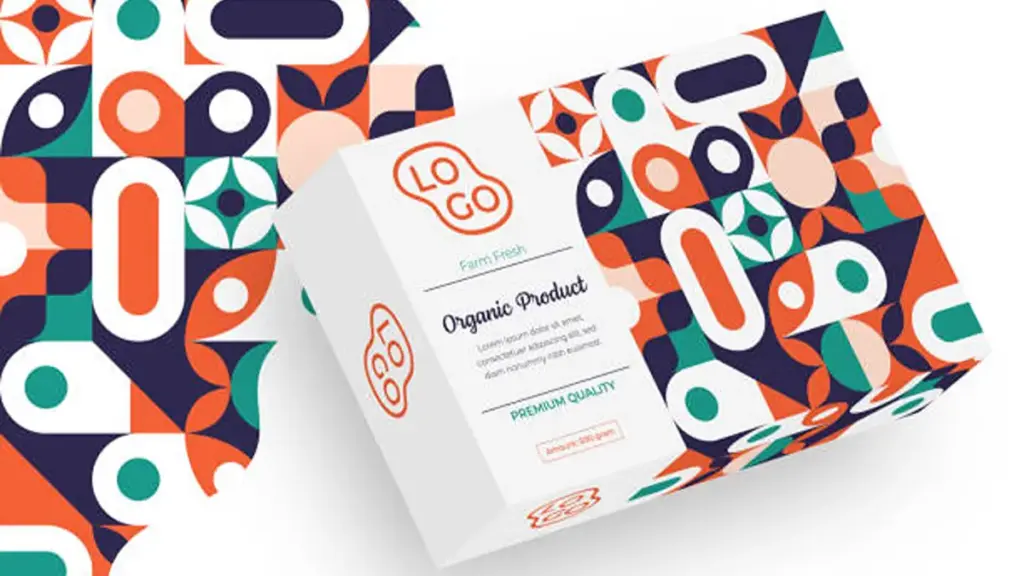
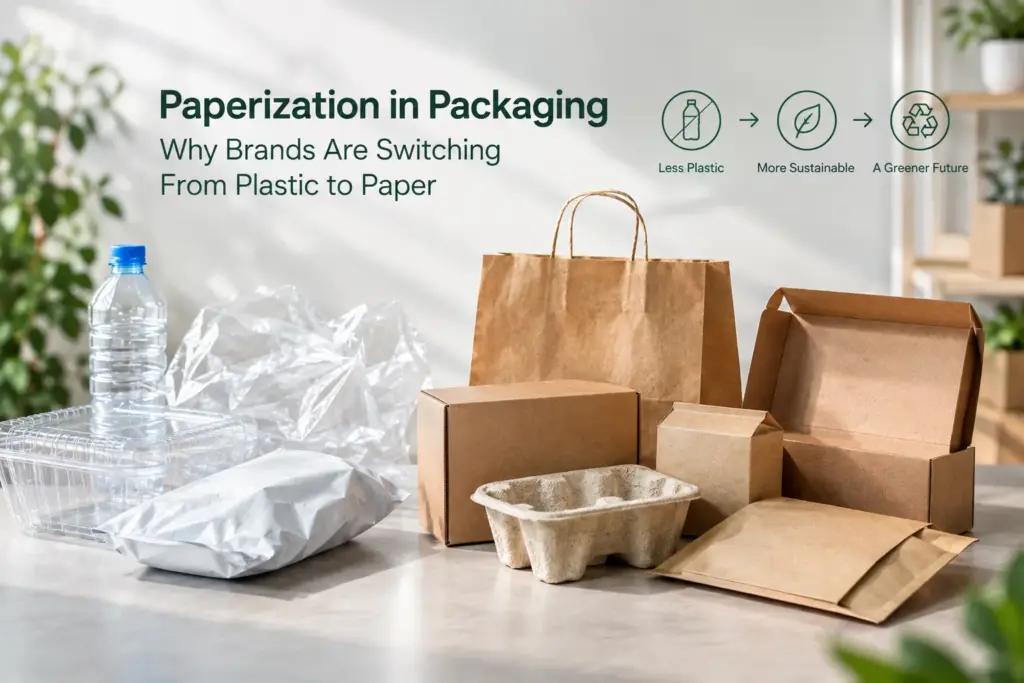
Engineered structural minimalism and monomaterial fiber selections eliminate excess shipping volume while guaranteeing curbside recyclability without compromising your brand presentation.
Material selection and structural optimization for custom mailers
Excessive packaging wastes capital and damages customer perception. Engineering high-performance mailers requires balancing structural integrity with raw material reduction. Focus on these direct optimizations:
- Right-size box dimensions: Calibrate the mailer to your exact product profile to eliminate empty void space and shave off excess transit weight.
- Prioritize monomaterials: Standardize on fiber-based substrates like corrugated cardboard and raw kraft paper to ensure hassle-free, curbside recycling.
- Eliminate plastic cushioning: Replace plastic bubble wrap and foam with custom die-cut corrugated inserts or molded-fiber protectors.
- Consolidate packaging layers: Merge the outer shipping container and the inner presentation box into a single, unified structural unit.
This approach strips out unnecessary protective layers, saving on dimensional weight fees while keeping fulfillment speeds fast.
Sustainable print practices and customer disposal communication
Your visual branding shouldn’t make your packaging unrecyclable. Smart ink selection and digital integrations let you tell your brand story without creating chemical waste.
- Minimize ink coverage: Move your core brand narrative to the interior panels of the box, keeping the highly exposed outer surfaces clean and low-ink.
- Specify eco-friendly inks: Mandate water-based, soy-based, or mineral-oil-free inks to boost paper pulp recyclability and lower toxicity.
- Go digital with QR codes: Print scannable codes to move product assembly guides, warranty information, and promotional inserts off paper and onto digital screens.
- Print explicit sorting guides: Place highly visible, step-by-step recycling instructions on the box so customers know exactly how to handle each separate component.
- Verify compliance standards: Run your environmental claims through rigorous frameworks like ISO 14021 و ايزو 18601 to protect your operations from changing 2026 regulations.
Clear communication closes the recycling loop. When customers know how to dispose of the materials, your brand-declared metrics align with actual environmental outcomes.
Common Custom Mailer Box Design Mistakes to Avoid
Structural missteps and rushed artwork layouts turn custom mailers into costly transit failures, driving up returns and damaging customer trust.
Brands often rush custom mailer production to meet launch deadlines, skipping critical physical validation steps. This haste introduces structural vulnerabilities that compromise both product safety and the opening experience.
Structural and Dimensional Inaccuracies
Failing to align structural design with the physical realities of the product causes major issues during shipping and fulfillment. Avoiding these core technical mistakes protects the product and controls shipping costs:
- Pre-emptive Layout Design: Designing layouts before locking final product dimensions and weight leads to poor fit or expensive production changes.
- Dimensional Confusion: Confusing exterior dimensions with usable interior clearance fails to account for board thickness, folding dust flaps, and necessary inserts.
- Inadequate Board Grades: Choosing light board grades for heavy items or high-stress shipping lanes causes structural collapse under stacking pressure.
- Skipping Physical Validation: Skipping physical prototyping and transit tests leaves real-world flaws, like weak closures or box deformation, completely undetected.
Building a box from the inside out ensures a precise fit. Brands must baseline their measurements on the fully packed product, including any tissue wrap or protective inserts, rather than relying on flat digital templates.
Graphic Alignment and Pre-Press Failures
Rushing the transition from digital design files to physical press runs frequently ruins the visual appeal of an unboxing. High-resolution screens mask alignment risks that only appear once the corrugated board folds.
- Fold-Line Placement: Placing critical artwork near fold lines, scores, and glue joints results in distorted logos and text getting lost in structural creases.
- Cluttered Exteriors: Overloading the exterior with crowded design elements and text dilutes brand recognition and looks unprofessional during delivery.
- Digital Screen Approvals: Approving color schemes using digital screen proofs instead of physical, on-substrate samples leads to disappointing color shifts.
- Dieline Tolerance Neglect: Neglecting bleed and clearance tolerances on the finalized dieline causes visible raw board edges and printing gaps.
The exterior box acts as a quick brand signal on the doorstep. Keeping outside graphics minimal, leaving generous margins, and verifying colors on physical material samples prevents alignment mistakes and ensures a premium arrival.
الأسئلة المتداولة
What elements create a successful unboxing experience?
A great unboxing experience combines reliable product protection, effortless opening, and an intentional visual reveal. To build anticipation, use the box exterior as the first physical touchpoint for your brand. داخل, design the reveal in layers by using printed interior patterns, secure custom inserts, and premium tactile finishes. Adding a small personal touch, such as a thank-you note or a sample, creates an emotional connection that encourages brand loyalty.
How do you determine the correct design process for a mailer box?
Start with your product’s precise measurements and weight, then select a box size that minimizes empty space to prevent shifting. Choose a corrugated cardboard flute thickness—such as E-flute for small, light items or B-flute for medium shipments—that matches your handling demands. When designing the dieline, maintain a 3–5 mm bleed and keep critical text or logos 5–10 mm away from the cut edge to prevent misalignments during folding and assembly.
When does printing the inside of a mailer box make sense?
Print the inside of the box when you want to elevate your brand positioning, drive social sharing, or provide instructions directly on the packaging. Interior printing works well for direct-to-consumer brands, صناديق الاشتراك, and luxury goods. If your packaging is purely functional or budget-sensitive, leave the inside unprinted to save on production costs, as interior print typically adds $0.20 ل $0.80 per box.
Which packaging inserts improve unboxing and product protection?
Custom-fit structural inserts improve both protection and presentation. Die-cut paperboard or corrugated inserts lock products in place for a neat reveal. Corrugated dividers separate multi-item kits, while molded pulp trays offer an eco-friendly structured layout. For high-value or highly fragile items, custom foam inserts provide maximum shock absorption. Pair these with printed thank-you cards or QR-code inserts to increase customer engagement.
Are tissue paper and stickers necessary for shipping?
لا, tissue paper and stickers are optional accessories rather than structural requirements. Prioritize physical box strength, correct sizing, and protective inserts first to ensure safe delivery. Add tissue paper and branded stickers only if your brand strategy requires a softer reveal, product concealment, or an extra layer of premium presentation during the unboxing sequence.
How can you design packaging to encourage social media sharing?
Place your boldest visuals and messages on the inside lid, which is the natural focal point when opening the box. Print a clear, direct social call-to-action like “Share your setup” alongside your brand handle and hashtag. Using high-contrast colors, memorable copy, or an interactive QR code gives customers a strong reason to capture and share their unboxing experience online.
What size mailer box should a brand choose?
Always choose the smallest internal dimensions that can safely fit your product and its protective packing materials. Standard sizes offer reliable starting points: 6 × 4 × 3 inches works well for jewelry and cosmetics; 9 × 6 × 3 inches is ideal for apparel accessories and books; و 12 × 9 × 4 inches is the industry standard for general e-commerce subscription boxes and larger clothing items.
How do you minimize shipping damage through packaging design?
To reduce transit damage, eliminate excess void space to prevent the product from shifting inside the box. Match your corrugated board grade and structural features—like double-wall construction or interlocking flaps—to the weight of your items. Use custom-fit inserts rather than loose fill, and always test physical prototypes under real-world drop and compression conditions before moving to mass production.
Are custom corrugated mailer boxes recyclable?
نعم, standard paper-based corrugated mailer boxes are highly recyclable. To ensure easy curbside recycling, design your boxes as mono-material packaging and avoid using plastic windows, film laminations, or heavy non-paper coatings. Using water-based inks and recycling-compatible adhesives helps the packaging move smoothly through standard paper recovery systems.
How much does custom mailer packaging typically cost?
The cost of custom mailer packaging depends on box size, مادة, printing methods, خيارات التشطيب, and order quantity. Unit prices vary based on order volume, material thickness, box dimensions, and printing requirements. على سبيل المثال, a standard 10 × 8 × 4 inch printed box might cost around $2.50 ل $4.00 at a 500-unit minimum, but the price drops to $0.80 ل $1.50 per unit when ordering volumes of 5,000 أو أكثر.
الأفكار النهائية
While generic shipper boxes offer lower upfront costs, precision-engineered corrugated structures safeguard your product against transit damage and prevent forgettable doorstep arrivals. Investing in exact flute profiles and targeted interior branding turns a standard shipping expense into an active customer acquisition channel that drives repeat purchases. Cutting corners on material grades risks structural collapse, high return rates, and damaged customer relationships.
Do not guess on material tolerances or color registration. We recommend starting with a physical custom prototype to test your structural dimensions and ink finishes under real transit conditions. Contact PackCCP’s packaging team to review your dielines, discuss structural options, and develop a custom mailer box solution for your products.