In recent years, the demand for sustainable packaging solutions has surged, with paper bags emerging as a popular choice for businesses across the globe. As a professional paper bag manufacturer, we’ll explore the key materials, 終わります, and other factors to consider when selecting paper bags for your business. This knowledge will not only help you make an informed decision but also help you align your packaging with consumer preferences and regulatory standards.
The Rise of Paper Bags in Sustainable Packaging
As industries strive to reduce their carbon footprints, paper bags have become a go-to solution, offering a biodegradable, リサイクル可能, and renewable option. プラスチックとは異なります, which takes centuries to break down, paper bags are easily compostable and recyclable, making them a preferred choice for companies aiming to showcase their environmental commitment.
さらに, with increasing restrictions on plastic usage, particularly in the EU and parts of the US, businesses have little choice but to explore sustainable alternatives. Paper bags, with their versatility and 持続可能性, are no longer just a “green” option—they are quickly becoming the norm in many sectors, from retail to food packaging.
Key Paper Bag Materials

Choosing the right material for your paper bags is essential to ensuring that they meet your functional, aesthetic, and sustainability needs. Here are the most common materials used in paper bags today:
クラフト紙
Kraft paper is the most widely used material in paper bags due to its strength, 耐久性, and recyclability. Made from wood pulp through a chemical process, kraft paper retains much of the natural wood fiber, giving it a rough, brown appearance.
Advantages:
- 強さ: Kraft paper has superior tear resistance, making it ideal for heavy-duty applications like grocery bags or packaging for bulky items.
- リサイクル性: It’s 100% リサイクル可能, making it a perfect choice for businesses looking to minimize their environmental impact.
- Natural Look: Its rustic brown color gives products a natural, eco-friendly appearance that aligns with sustainable branding.
Considerations:
While kraft paper is strong, it is more prone to staining and is not as smooth as other options like bleached paper. しかし, this can be part of its charm when targeting eco-conscious consumers.
再生紙
As sustainability becomes a growing concern, recycled paper is gaining popularity. Made from post-consumer waste, recycled paper helps conserve natural resources and reduce waste sent to landfills.
Advantages:
- 環境への影響: The primary benefit of recycled paper is its reduced environmental footprint. It minimizes the need for virgin pulp and uses less energy during production.
- 費用対効果: Often, recycled paper is more affordable than virgin paper, offering businesses an economical option while remaining eco-friendly.
Considerations:
Recycled paper can sometimes be less durable than virgin materials, which might make it less suitable for heavy-duty applications. さらに, recycled paper may not be as visually appealing due to the potential for slight variations in texture and color.
Bleached Paper
Bleached paper is typically white and has a smooth, clean appearance. It’s often used for packaging items that require a high-quality, プロフェッショナルな外観, such as luxury products, 化粧品, and food items.
Advantages:
- Aesthetic Appeal: The bright, clean finish makes bleached paper ideal for printing vibrant, high-quality designs.
- 多用途性: It works well in various applications, from shopping bags to retail packaging.
Considerations:
The bleaching process does consume more energy, and depending on the type of bleaching, some chemicals may be used that can impact the overall sustainability of the paper.
Unbleached Paper
Unlike bleached paper, unbleached paper retains its natural color and fibers, offering a more rustic and environmentally friendly option. It’s commonly used for eco-friendly products and packaging.
Advantages:
- 持続可能性: Since unbleached paper doesn’t undergo the energy-intensive bleaching process, it’s considered more sustainable.
- Natural Aesthetic: It retains a more organic, earthy look that appeals to eco-conscious brands and consumers.
Considerations:
Unbleached paper is typically not as smooth as bleached paper, which can affect print quality and visual appeal. しかし, this can be an advantage if you’re aiming for a more natural or rustic aesthetic.
コート紙 (例えば。, Clay Coated Kraft)
Coated paper has a layer of clay or other materials that enhance its surface for printing. It’s often used for high-end products where branding and aesthetics are essential.
Advantages:
- High-Quality Finish: The coating ensures vibrant, crisp printing, making it ideal for branding and product details.
- Smooth Surface: The coating creates a smooth surface that is resistant to water and stains, ensuring the paper bag remains pristine.
Considerations:
Coated paper can be more expensive than uncoated types, and the coating process often involves non-renewable materials, which can reduce the overall sustainability of the product.
Specialty Paper (例えば。, Luxury, Textured Papers)
Specialty papers are designed for premium packaging applications. These papers can include textured finishes, metallic coatings, or luxury embossing. They’re ideal for upscale brands looking to convey a sense of quality and exclusivity.
Advantages:
- Premium Appeal: Textured or luxury paper adds a tactile quality to packaging that enhances the customer experience.
- Distinctive Designs: Specialty papers can be customized to create unique, eye-catching bags for high-end retailers or gift packaging.
Considerations:
These papers are often more costly and may not be practical for all business types. They are best used for luxury brands that want to make a lasting impression on their customers.
Paper Bag Finishes

The finish of your paper bag is just as important as the material. The right finish can enhance the bag’s look, feel, そして耐久性. Let’s explore some of the most common finishes used in paper bags.
Glossy Finish
A glossy finish provides a shiny, reflective surface that enhances colors and makes printed designs stand out. This finish is often used for retail bags or promotional packaging.
- 鮮やかな色: Glossy finishes help colors pop, making them ideal for bags that need to catch the eye of customers.
- 耐久性: The glossy coating adds a layer of protection, making the bags more resistant to dirt and moisture.
Matte Finish
Matte finishes provide a more subtle, elegant look, with a smooth, non-reflective surface. This is often used for high-end or eco-conscious packaging.
- Sophisticated Look: Matte finishes exude a luxurious, understated aesthetic that appeals to premium brands.
- Smudge-Free: Unlike glossy bags, matte bags are less prone to showing fingerprints or smudges.
Lamination (Gloss and Matte)
Laminating paper bags adds a thin layer of plastic to protect the surface. This can be done with either a glossy or matte finish, depending on the desired look.
- Added Protection: Lamination increases the durability of paper bags, making them more resistant to tears, 水分, and stains.
- Enhanced Appearance: It also enhances the visual appeal, providing a polished, high-quality finish.
Water-Resistant Coatings
Some paper bags are coated with water-resistant materials to protect them from moisture damage. This finish is ideal for bags that may be exposed to water or humid conditions.
- Increased Durability: Water-resistant coatings help preserve the integrity of the bag in wet environments.
- Practical for Specific Uses: Useful for food packaging or other items exposed to damp conditions.
Grease-Resistant Coatings
This finish is commonly used for food packaging, particularly for greasy or oily items like fast food or takeaway containers.
- Oil Protection: Grease-resistant coatings prevent oils and fats from soaking into the paper, ensuring the bag maintains its strength and appearance.
- Convenient for Food Packaging: It makes the bags more suitable for foodservice and takeaway applications.
Textured and Embossed Finishes
Textured or embossed paper bags feature a raised design or pattern that enhances their tactile appeal. These finishes are used to create unique, premium packaging.
- Unique Look and Feel: The texture adds a luxurious touch, making the packaging stand out.
- カスタマイズ: Embossing or debossing allows for customized logos and designs that add a personal touch.
Choosing the Right Paper Bag for Your Business
Selecting the right paper bag for your business involves considering various factors to ensure the packaging aligns with both your product’s needs and your brand’s values. Here are some key points to help you make the best choice:
- Product Type: Consider the weight, サイズ, and nature of your product. For heavier items, kraft or unbleached paper bags are ideal due to their durability. For lightweight goods, you can opt for bleached or recycled paper bags.
- Brand Identity: Your packaging should reflect your brand’s image. Luxury products may require specialty or coated papers, while eco-friendly brands often choose kraft or recycled paper to emphasize sustainability.
- Functionality: If your product is food-related or exposed to moisture, look for grease-resistant or water-resistant finishes to ensure durability and cleanliness.
- Environmental Goals: For businesses aiming to reduce their environmental impact, recycled or FSC-certified paper options are the best choice, as they support sustainability.
- Budget Considerations: Balancing cost and quality is crucial. Premium materials like specialty paper or coated bags are more expensive but can elevate your product’s presentation.
Paper Bag Printing and Branding Techniques
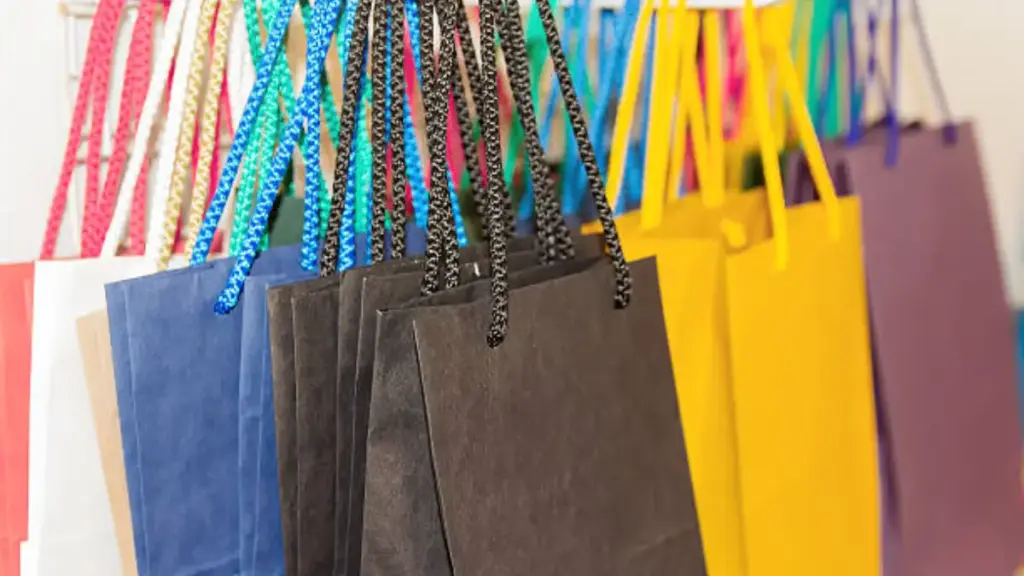
When it comes to branding your paper bags, several printing techniques can be employed to create high-quality, durable designs. Here are the most popular methods:
- フレキソ印刷: This technique uses flexible plates to transfer ink onto paper, making it ideal for high-volume printing. It’s highly versatile and cost-effective for simple and intricate designs.
- デジタル印刷: Digital printing allows for vibrant, full-color designs directly from digital files. It’s perfect for small batches and custom designs with high detail, offering excellent color accuracy.
- オフセット印刷: Known for its precision, offset printing is used for large runs of bags. It offers sharp images and consistent color but requires a higher initial setup cost.
- スクリーン印刷: Common for bold, simple designs, screen printing involves applying ink through a mesh screen. It’s cost-effective for large quantities and works well with solid colors.
Each method offers different benefits depending on your design needs, order size, and budget. packccpで, we specialize in custom packaging solutions, ensuring your specific requirements are met with high-quality results.
Balancing Cost and Quality in Paper Bags
Choosing the right paper bag involves finding the right balance between cost and quality. Premium materials like bleached and specialty papers offer enhanced aesthetics and durability, but they come at a higher cost. Conversely, eco-friendly options such as kraft or recycled paper are more budget-friendly and still provide solid quality, especially for standard packaging needs.
Tips for Balancing Cost and Quality:
- Volume Discounts: If you’re ordering paper bags in large quantities, look for volume discounts to make higher-quality bags more affordable. For custom solutions, it’s worth reaching out directly to paper bag manufacturers, such as PackCCP, who offer tailored packaging services and volume discounts for large orders.
- Material Selection: For high-end packaging, opt for premium materials, but for general use, kraft or recycled papers may suffice.
- Evaluate Durability: While cheaper options may be tempting, ensuring that the bag’s durability matches your product’s needs is crucial—otherwise, you might face additional costs in damaged products or customer dissatisfaction.
Paper Bag Regulations in the US and EU
Both the US and EU have strict regulations regarding packaging materials, especially with growing concerns about plastic waste. The EU has enacted directives that limit the use of single-use plastic bags, prompting many companies to switch to paper bags.
In the US, states like California and New York have implemented similar bans or taxes on plastic bags, which further encourages businesses to look for sustainable alternatives.
EU Regulations:
- Plastic Bag Reduction Directive: This directive aims to reduce the consumption of plastic bags by encouraging the use of reusable and recyclable alternatives like paper.
- Recyclability Requirements: Paper bags used in the EU must be recyclable and meet specific standards for environmental impact.
US Regulations:
- Plastic Bag Bans: Many states and municipalities have implemented bans on plastic bags, with paper bags being a favored alternative due to their environmental benefits.
- Sustainability Certifications: Businesses may need to comply with certifications like FSC (Forest Stewardship Council) to show their paper products come from responsibly managed sources.
結論
In summary, choosing the right paper bag involves careful consideration of material, finish, and printing techniques to match your product and brand values. Whether you’re focused on sustainability, aesthetics, or functionality, the right paper bag can enhance your brand’s identity and meet your packaging needs.
で packccp, we pride ourselves on offering custom packaging solutions tailored to your specific requirements, backed by competitive pricing and volume discounts. If you’re ready to elevate your brand with high-quality, eco-friendly paper bags, get in touch with us today and let us help you find the perfect packaging solution.