For years, packaging was treated as a practical necessity. A box to protect the product. A line item to control once everything else was finalized.
That assumption doesn’t survive real customer behavior.
When brands begin listening closely—not to what customers say about the product, but to how they react to the box—it becomes clear that personalized gift packaging shapes perception long before anything inside is touched. Dans de nombreux cas, the box defines the brand before the brand ever speaks.
Buying personalized gift boxes wholesale is no longer a decorative choice. It’s a strategic decision about how your brand is judged when no one from your team is present to explain it.
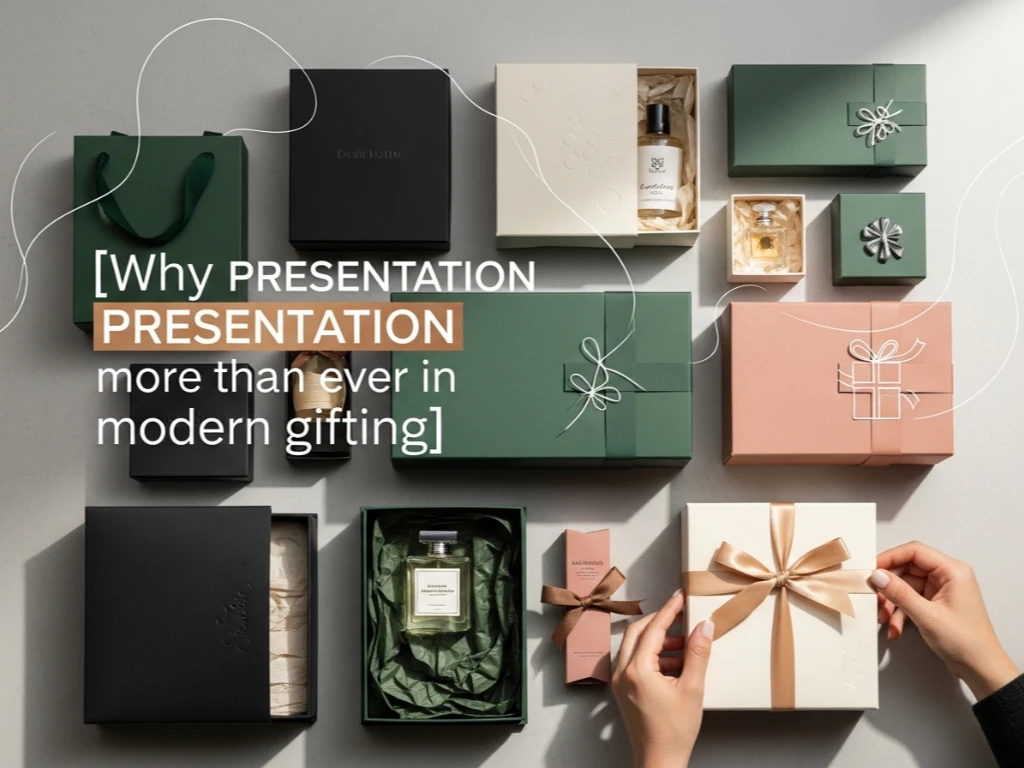
Pourquoi la présentation est plus importante que jamais dans les cadeaux modernes
Gifting has moved from transactional to experiential.
Customers rarely comment on paper weight, lamination type, or box dimensions. Instead, they describe emotions. “Premium.” “Thoughtful.” “Better than expected.” These reactions happen before the product is used—and sometimes before it’s even understood.
This shift is amplified by visibility. Gift packaging now appears on social feeds, unboxing videos, office desks, and kitchen counters. The box is often the first thing seen, shared, and remembered.
Independent research supports what brands see in practice. Statista reports that over 70% of consumers say packaging directly influences their perception of product quality, même si le produit lui-même reste inchangé. In categories like cosmetics, mode, et cadeaux d'entreprise, packaging has quietly become part of the product experience itself.
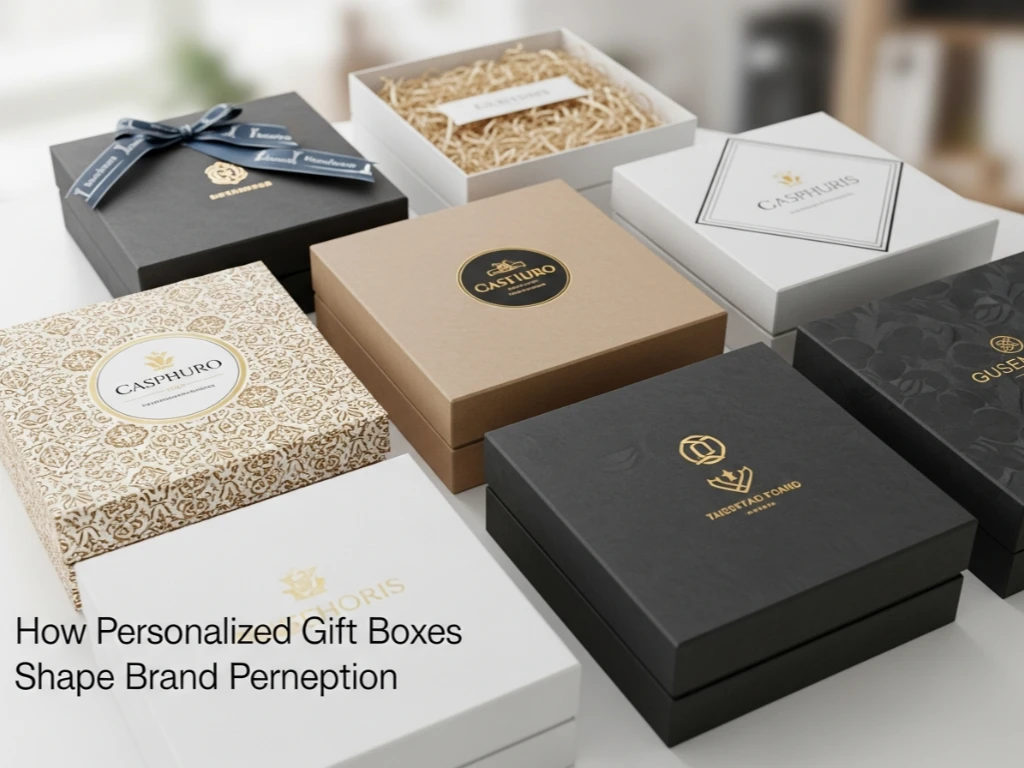
Comment les coffrets cadeaux personnalisés façonnent la perception de la marque
Many brands notice the effect only after making the switch.
Pricing stays the same. Product specifications stay the same. Positioning stays the same. Yet customer assumptions shift. Brands are perceived as more established, more professional, more premium—without saying any of it out loud.
That’s the subtle power of personalization.
A logo that feels considered rather than stamped. Colors that align with brand language instead of decoration. A structure that feels deliberate rather than off-the-shelf. None of these elements shout branding. They signal care.
And in crowded markets, brands that appear to care about details are trusted faster—especially by first-time buyers with no prior relationship.
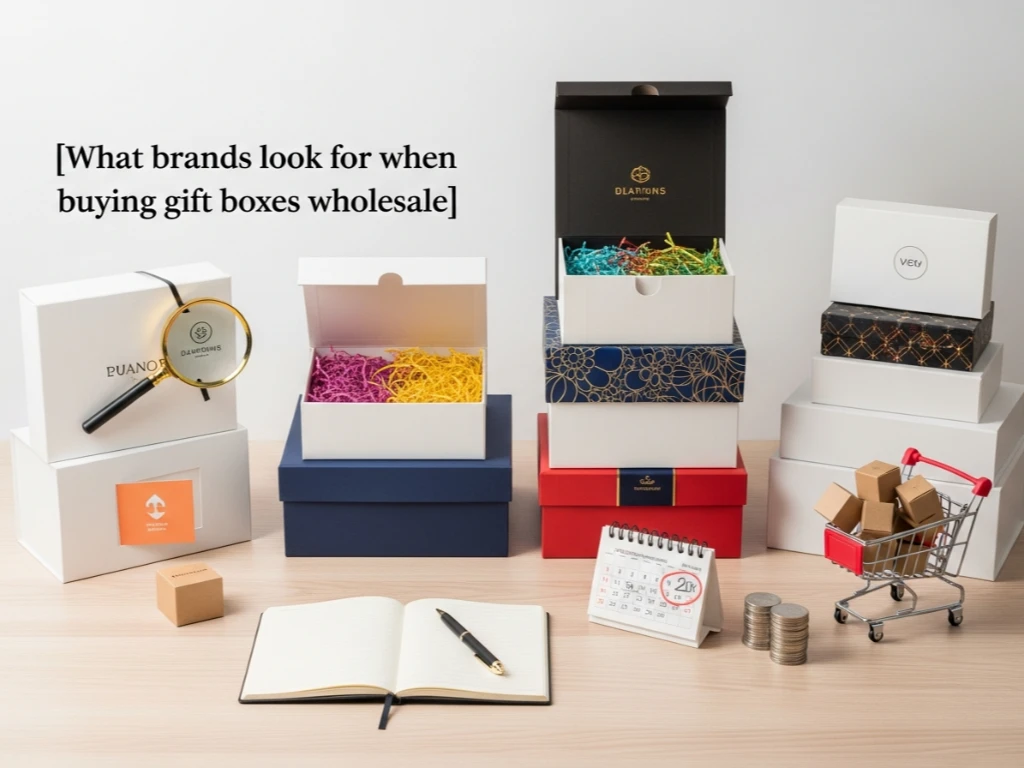
Ce que les marques recherchent lorsqu'elles achètent des coffrets cadeaux en gros
À l'échelle du gros, emotion still matters—but operational reality sets the boundaries.
Three priorities consistently surface among growing brands.
Consistency is non-negotiable. Every box must look and feel identical across batches. Small variations erode brand credibility faster than most companies expect.
Scalability follows closely. A design that works at 500 units but becomes inefficient or unstable at 10,000 is not sustainable growth packaging.
Reliability matters more than novelty. Délais, print accuracy, material stability, and clear communication often outweigh creative extras. Packaging delays disrupt launches, campaigns, and cash flow.
Wholesale buyers aren’t chasing the most creative box on the market. They want packaging that protects brand perception without creating operational risk.
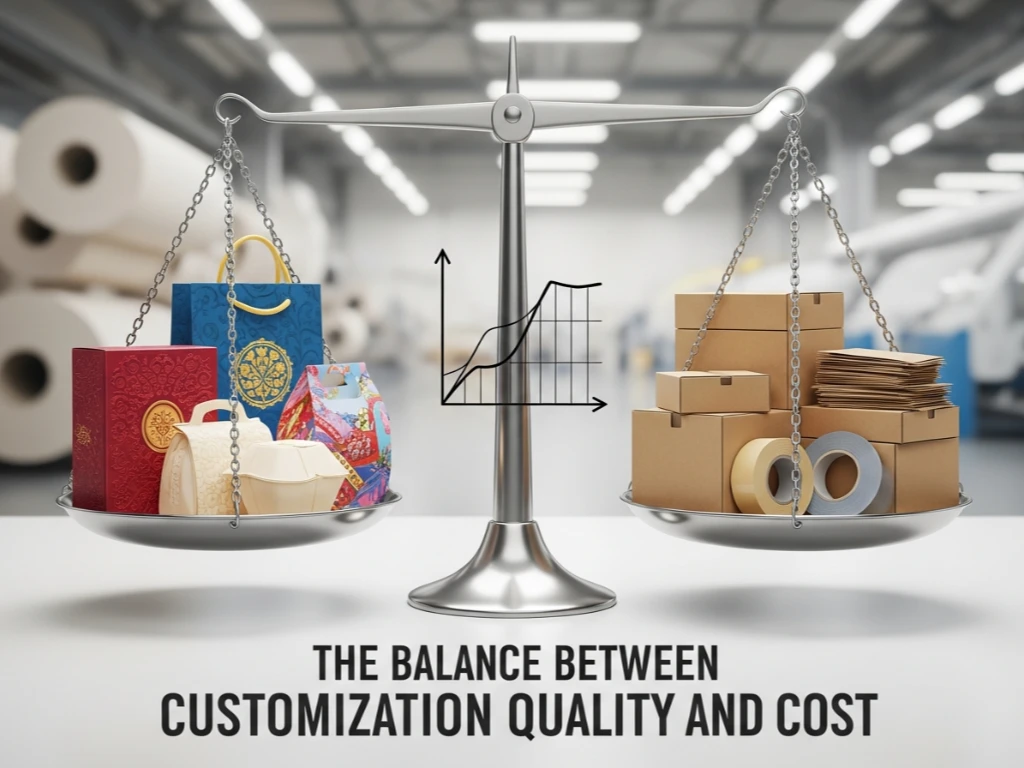
L’équilibre entre la qualité et le coût de la personnalisation
Customization often sounds expensive—until the numbers are examined realistically.
Aux quantités de gros, the cost difference between generic packaging and well-designed personalized gift boxes is frequently smaller than expected, especially when customization choices are intentional rather than excessive.
Material selection does most of the work. The right paper weight, surface texture, and box structure can communicate quality without relying on multiple finishes or complex embellishments.
Customers don’t count features. They sense intent. One clear, confident design decision typically delivers more perceived value than several unnecessary ones added for effect.
Erreurs courantes commises par les marques avec les emballages cadeaux en gros
The most damaging mistake isn’t poor design. It’s timing.
Packaging decisions are often rushed at the end of a product cycle, when budgets are tight and deadlines are looming. The result is packaging that functions mechanically but falls flat emotionally.
Over-branding is another frequent issue. Oversized logos, finitions lourdes, or aggressive messaging can make a gift box feel promotional rather than premium—especially in markets that value restraint.
A third mistake is underestimating physical experience. A box can look impressive on screen and still disappoint in hand if the structure feels weak or the material feels thin. Packaging lives in the real world, not on mockups.
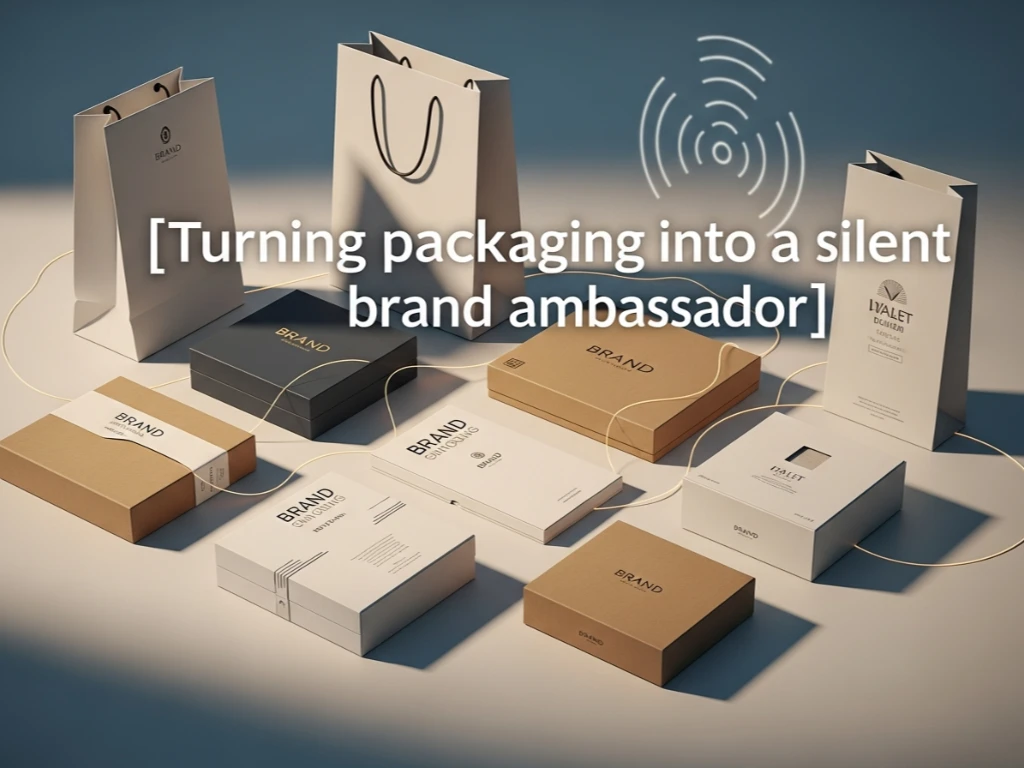
Faire de l’emballage un ambassadeur silencieux de la marque
The most effective packaging doesn’t explain itself.
It doesn’t demand attention. It earns it quietly.
When customers keep a box instead of discarding it, that’s retention without a campaign. When they reuse it, that’s brand presence without advertising. When they photograph it, that’s exposure you didn’t pay for.
Personalized gift boxes, executed well, become silent brand ambassadors. They move through homes, offices, and social feeds carrying the same unspoken message: this brand pays attention.
À l'échelle du gros, this effect compounds. Each box reinforces the same perception, again and again.
In saturated markets, attention to detail is often the difference between brands people remember—and brands they don’t.