Folding cartons are everywhere—on store shelves, in your kitchen, and even in your mailbox. They’re the unsung heroes of the packaging world, offering a perfect blend of practicality and creativity. Whether you’re packaging food, Kosmetika, or electronics, choosing the right carton style can make all the difference.
In diesem Ratgeber, we’ll break down the main folding carton styles, explore their pros and cons, and help you find the ideal solution for your product. Let’s unpack the world of folding cartons and find the perfect fit for your packaging needs.
What Is a Folding Carton?
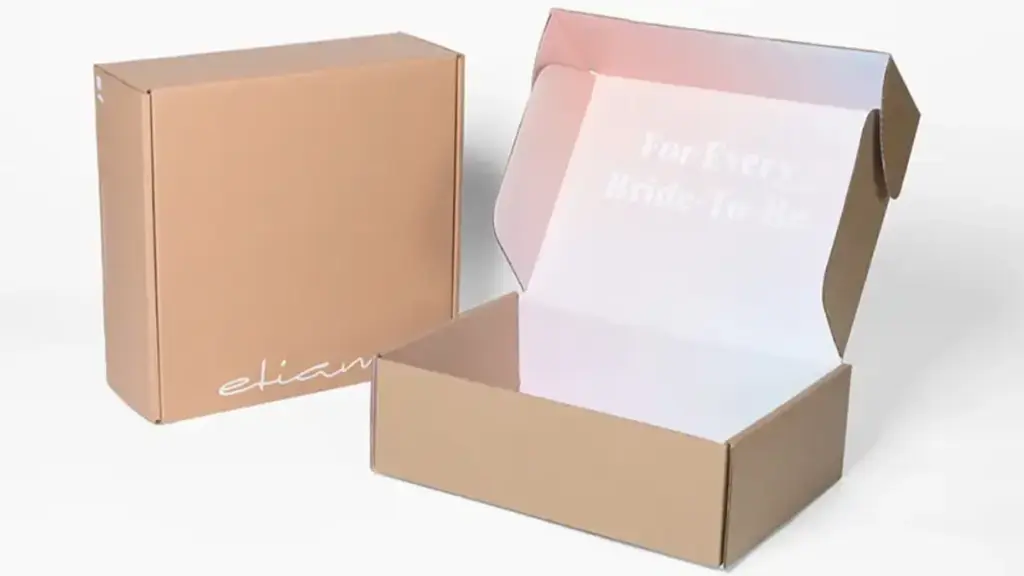
A folding carton is a durable, lightweight packaging solution made from thick paperboard, designed to be shipped flat and folded into shape when needed. Commonly used in retail packaging for food, Kosmetika, Elektronik, und Arzneimittel, folding cartons provide excellent protection for products.
The paperboard material is stronger than regular paper and can be coated or laminated for enhanced visual appeal and strength. One of the main advantages of folding cartons is their ability to be stored flat, Platzersparnis und Reduzierung der Versandkosten, while still offering flexibility in design. Their versatility and cost-effectiveness make them a popular choice across many industries.
Main Folding Carton Categories by Structure
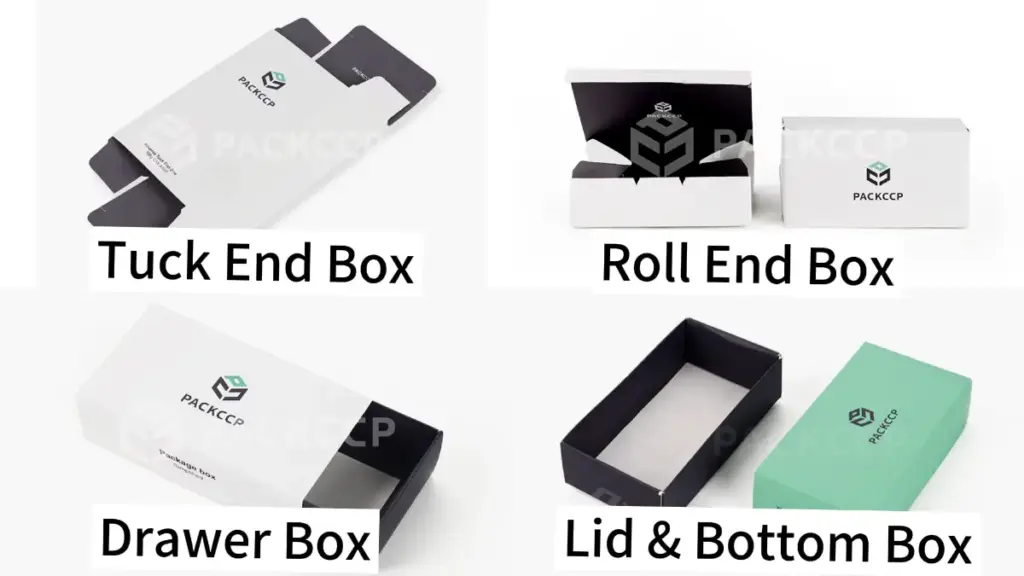
Folding cartons come in various structures, each designed to meet specific packaging needs. Below are five primary types of folding carton structures commonly used across industries, each tailored for different applications, product weights, und Branding-Anforderungen.
Tuck End Boxes
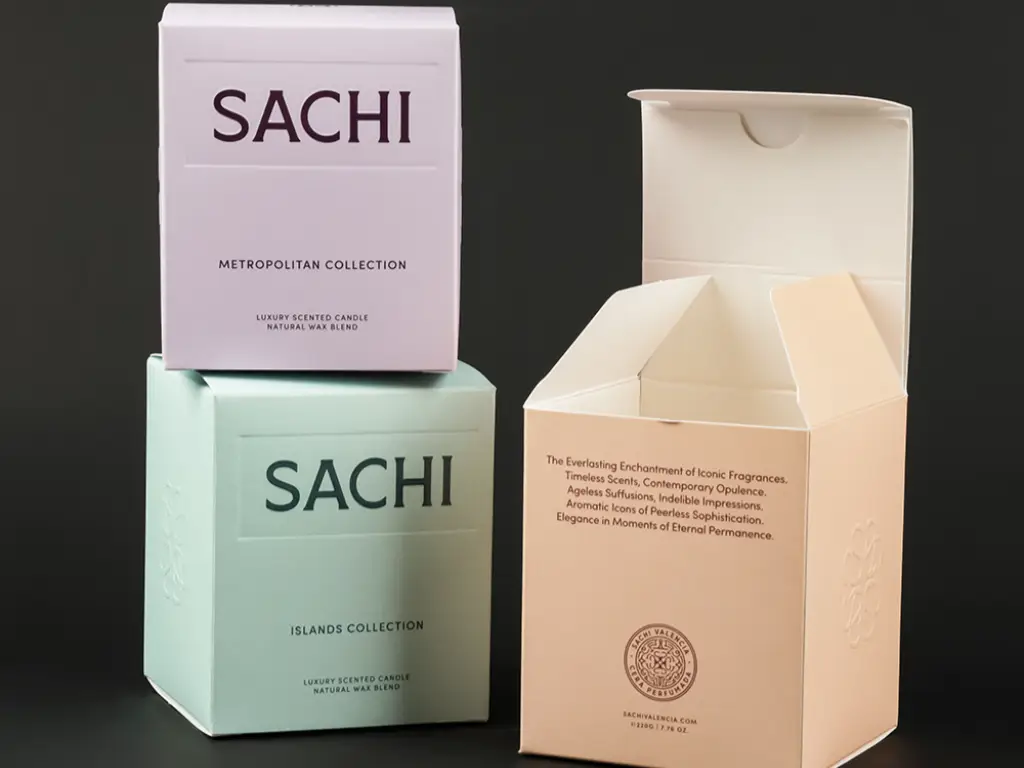
Tuck-end cartons are the most common type of folding carton, widely used in packaging for products like cereals, Arzneimittel, und Kosmetika. These cartons feature a top and bottom closure that is secured by tucking the flaps into each other. Tuck-end cartons are available in two main variations: Straight Tuck End (STE) and Reverse Tuck End (RTE).
Roll End Boxes
Roll end cartons are designed with a roll at the top and bottom to provide strength and easy assembly. These boxes are commonly used for heavier or bulkier products, like bottles, tools, or home goods. The roll end provides added structural integrity while maintaining ease of use, especially in situations where a more robust yet simple packaging solution is required.
Schubladenboxen
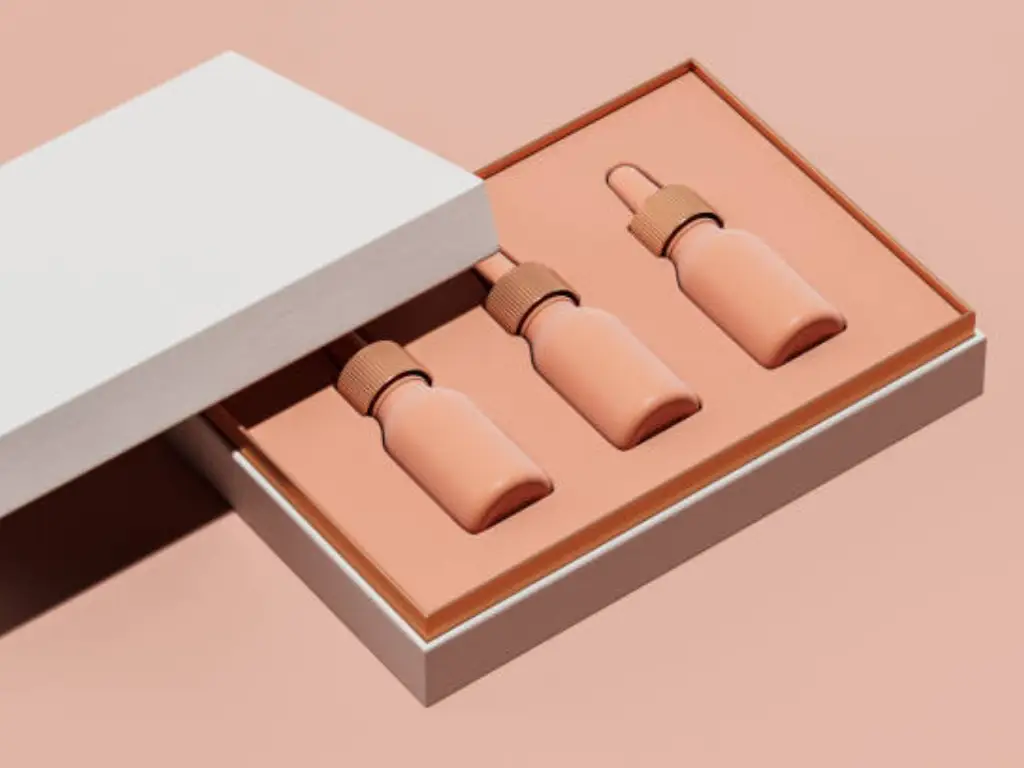
Drawer boxes are a stylish, practical packaging option where the box slides out like a drawer. They are often used for luxury products, Kosmetika, and high-end retail packaging. These cartons offer an elegant presentation and can be designed with custom inserts to securely hold delicate items.
Deckel & Bottom Boxes
Lid and bottom boxes feature separate top and bottom components, which are assembled together to form a rigid, protective packaging solution. These are often used for premium products like gifts, Elektronik, or clothing, where extra protection and presentation are important. The lid and bottom structure also provides a more secure and durable packaging solution compared to other types.
Common Folding Carton Styles
Within these basic structural categories, there are many different folding carton styles to choose from. Let’s take a closer look at the most popular styles that you’ll come across in the packaging industry.
Straight Tuck End (STE)
In this style, both the top and bottom flaps tuck in the same direction, creating a seamless, clean closure.
- Pros: Simple to assemble, cost-effective, and clean appearance.
- Cons: Less secure than reverse tuck designs; may not be suitable for heavier products.
- Commonly used for: Kosmetika, Elektronik, food packaging.
Umgekehrter Ende (RTE)
Here, the top and bottom flaps tuck in opposite directions, providing added stability and security.
- Pros: More secure closure, better for heavier items, improved structural integrity.
- Cons: Slightly more complex to assemble than STE.
- Commonly used for: Food products, Arzneimittel, Einzelhandelsverpackung.
Full Reverse Tuck (FRT)
Similar to the RTE but with an enhanced design for extra protection and a more elegant presentation.
- Pros: Extra secure closure, better for premium products.
- Cons: More expensive and time-consuming to produce.
- Commonly used for: Luxury goods, high-end retail packaging.
Auto-Lock, Snap-Lock, and Seal End Styles
These self-locking styles feature a bottom that automatically locks into place when folded, eliminating the need for glue or tape.
- Pros: Fast assembly, no adhesive required, secure closure.
- Cons: Slightly higher production costs, limited design flexibility.
- Commonly used for: Fast-moving consumer goods (FMCG), snack packaging.
Folding Carton Types and Corresponding Folding Styles
To better understand which folding styles suit different folding carton types, here’s a complete table. It helps you see the connection between carton types and their corresponding folding styles, streamlining your decision-making process.
| Folding Carton Type | Straight Tuck End (STE) | Umgekehrter Ende (RTE) | Full Reverse Tuck (FRT) | Auto-Lock / Snap-Lock / Seal End |
|---|---|---|---|---|
| Tuck End Boxes | ✓ | ✓ | ||
| Roll End Boxes | ✓ | ✓ | ||
| Schubladenboxen | ✓ | |||
| Deckel & Bottom Boxes | ✓ | ✓ |
Specialty Folding Carton Designs
As brands increasingly seek to differentiate themselves on store shelves, specialty folding carton designs are gaining popularity. These unique solutions go beyond standard structures, offering creative options that provide both protection and visibility.
Display Cartons
Display cartons are designed not only for protection but also to serve as an eye-catching display at point-of-sale locations. Typically, these cartons feature a die-cut window or openable front panel that allows consumers to view the product directly.
The design can vary depending on the product’s needs and the level of visibility required. Display cartons are commonly used for promotions, seasonal items, and high-end retail packaging, where the goal is to attract attention and drive sales through visual appeal.
Custom Packaging Solutions
Custom folding cartons offer a high degree of personalization, tailored to meet specific branding and product needs. Key customization options include:
- Material Choices: Custom materials, such as recycled paperboard or premium coated stocks, enhance both the look and sustainability of the packaging.
- Printing and Finishing: Custom printing techniques like embossing, Folienprägung, and spot UV provide a luxurious finish that elevates the product’s appearance.
- Accessory Add-ons: Custom inserts, handles, or die-cut windows can be incorporated for added functionality and aesthetic appeal.
Folding Carton Selection by Product Weight and Use Case

Choosing the right folding carton in folding carton manufacturing depends heavily on both the product weight and its specific use case. Below, we’ve broken down some common use cases and recommended folding carton styles for various product types.
Essen und Getränk
- Lightweight products (Z.B., snack bars, beverages): Straight Tuck End (STE) Box with a secure closure for quick assembly and a clean look.
- Heavier items (Z.B., bottled beverages, packaged meals): Roll End Boxes with an auto-lock bottom for extra strength and support.
Cosmetics and Personal Care
- 30-50ml bottles (Z.B., lotions, foundations, travel-sized skincare): Tuck End Snap Lock Bottom Box with self-locking tabs, or Eco Double Slot Insert Box with silicone base prevents tipping.
- Luxury items (Z.B., perfumes, high-end creams): Rigid Two-Piece Boxes for superior protection and a premium feel.
Pharmaceuticals
- Small, lightweight items (Z.B., pill bottles, small vials): Straight Tuck End (STE) or Reverse Tuck End (RTE) Box, offering simple yet secure packaging for smaller quantities.
- Larger, bulkier products (Z.B., over-the-counter medicines): Roll End Boxes or Lid & Bottom Boxes for added durability and easier handling.
Elektronik
- Lightweight products (Z.B., chargers, cables): Reverse Tuck End Box with Hanging Tab for easy hanging in retail displays or Black Drawer Paper Box with Handle for a premium presentation.
- Heavier items (Z.B., computer mice, small gadgets): Electronics Case Drawer Gift Boxes, combining sturdy construction with an elegant, gift-worthy appearance.
Kosten, Efficiency, and Assembly Differences Across Styles
To help you make an informed decision, here’s a detailed comparison of the costs, efficiency, and assembly differences between the most common folding carton styles in folding carton manufacturing. These factors can significantly optimize both your budget and production time.
| Folding Box Style | Kosten (per unit) | Assembly Efficiency | Production Time | Common Assembly Method | Best for |
|---|---|---|---|---|---|
| Straight Tuck End (STE) | $0.15–$0.25 | Hoch | 1.5–2 seconds/unit | Manual or automated tucking | Großvolumig, lightweight products |
| Umgekehrter Ende (RTE) | $0.20–$0.30 | Mäßig | 2–2.5 seconds/unit | Manual or automated tucking | Pharmaceuticals, Essen, Einzelhandelsverpackung |
| Full Reverse Tuck (FRT) | $0.25–$0.35 | Mäßig | 3–4 seconds/unit | Manual or automated tucking | Luxury goods, high-end cosmetics |
| Auto-Lock / Snap-Lock | $0.30–$0.45 | Sehr hoch | 1–1.5 seconds/unit | Self-locking mechanism | FMCG, snack packaging |
| Roll End Boxes | $0.30–$0.50 | Mäßig | 4–5 seconds/unit | Manual or automated folding | Heavier, bulkier products |
| Deckel & Bottom Boxes | $0.50–$0.75 | Low | 5–6 seconds/unit | Manual gluing/assembling | Luxury items, gift packaging |
How to Choose the Right Folding Carton Style
Choosing the right folding carton style for your product boils down to a few key factors: product protection, Branding, kosten, and efficiency. Consider the following when making your decision:
- Product Protection: If your product requires a higher level of protection (like electronics or fragile items), choose a more robust style, such as bottom closure or rigid cartons.
- Branding and Aesthetics: Custom and display cartons are ideal for products where branding and presentation are critical.
- Cost-Effectiveness: For budget-conscious products, opt for simpler styles like Straight Tuck End or Reverse Tuck End cartons.
- Assembly and Production Speed: If you need to scale production quickly, self-locking and simpler styles are the best choice for faster assembly.
Abschluss
Folding cartons aren’t just boxes—they shape how your product is seen and protected. With so many styles out there, it’s important to choose one that fits your product’s needs, whether it’s for cost savings, premium presentation, or secure shipping. The right folding carton can boost your product’s appeal and ensure it arrives in perfect condition.
If you want reliable, high-quality packaging, Packccp‘s manufacturing facilities have you covered. With advanced production capabilities, umweltfreundliche Materialien, and custom solutions, PackCCP delivers the perfect packaging every time. Reach out to PackCCP today and elevate your packaging game!