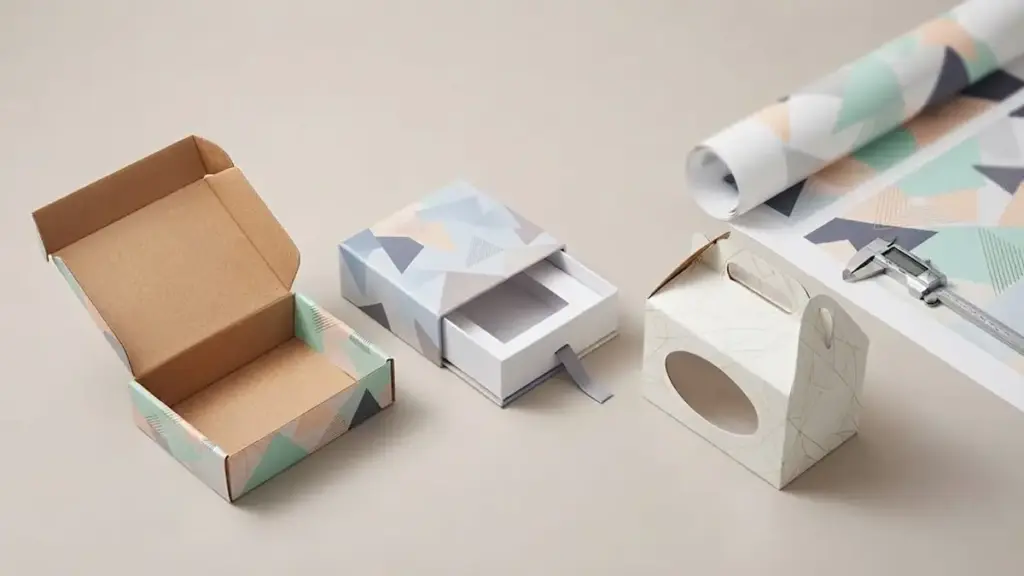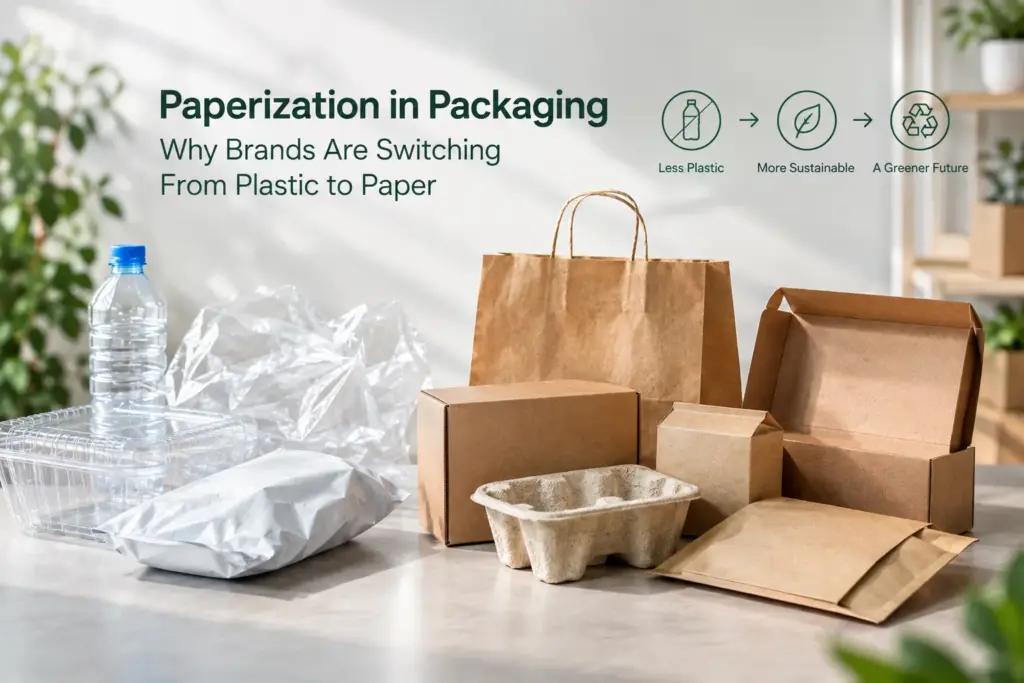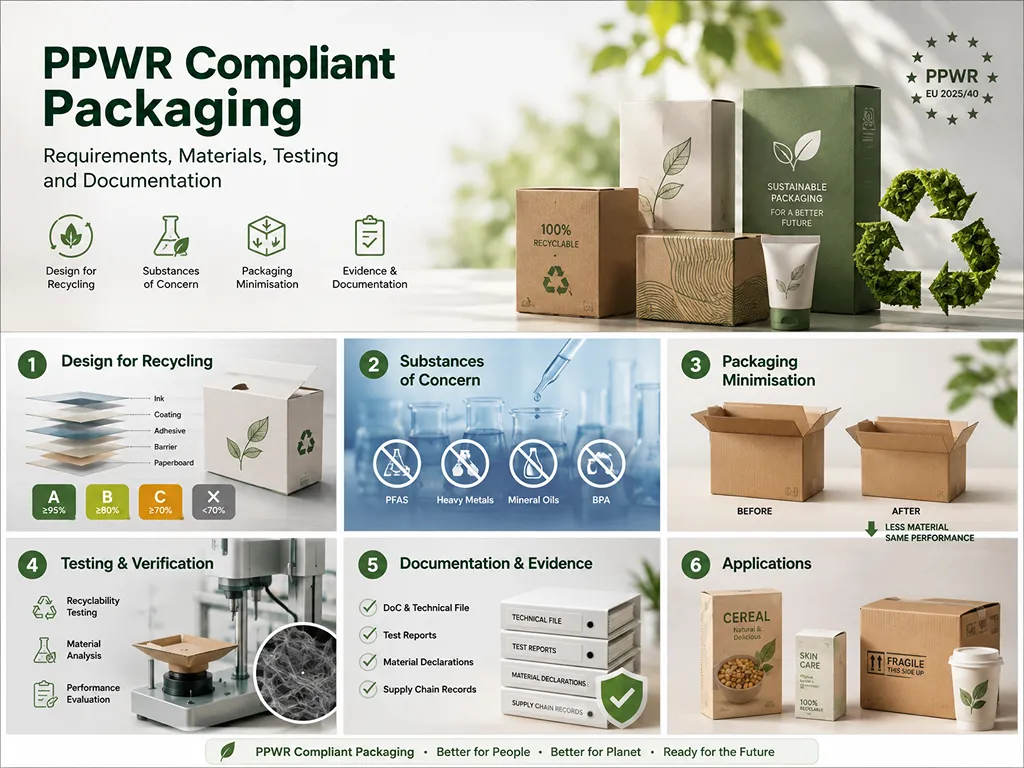
Choosing the right cream jar packaging box size helps prevent product damage, reduce unnecessary shipping costs, and create a better fit for retail presentation. Instead of relying only on the jar’s labeled volume, packaging dimensions should be calculated based on the actual jar size, including diameter, height, and lid structure.
This guide compares common cream jar capacities from 30 ml to 100 ml and explains how box dimensions, clearance tolerances, and insert requirements affect packaging design. We evaluate clearance tolerances, insert thickness, and shipping requirements to help you secure a scalable, retail-ready packaging design.
Why Cream Jar Box Size Matters for Packaging
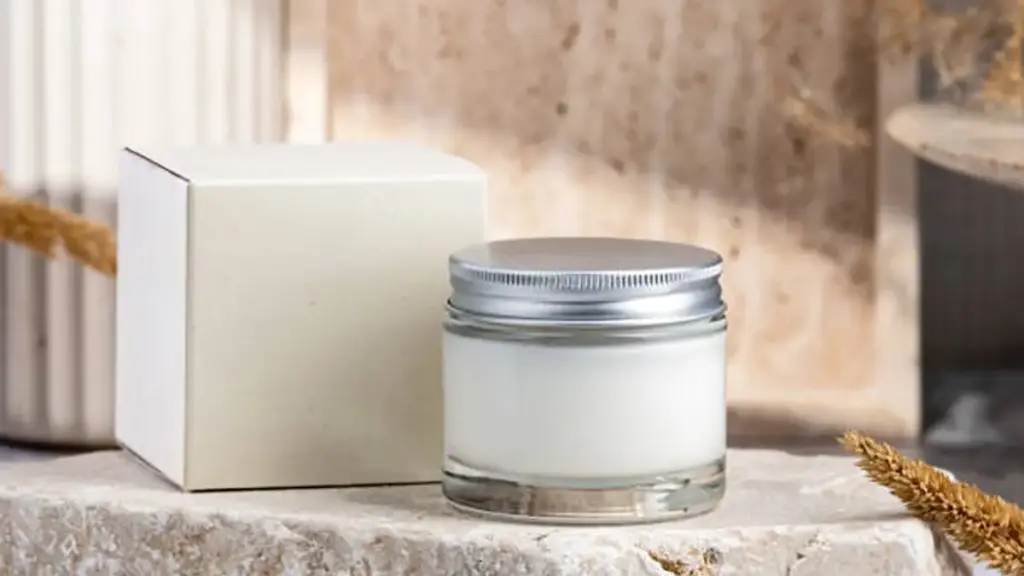
Properly sized cream jar boxes help reduce product movement during shipping, control material usage, and maintain a clean appearance on retail shelves.
Physical Protection and Carton Structural Fit
A cosmetic box must shield its contents from the physical stresses of the supply chain. Structural integrity depends on designing from the product outward, ensuring the paperboard matches the jar weight and geometry. Brands looking for broader guidance on material selection, structure, and customization can also explore custom cosmetic packaging solutions.
- Clearance tolerance: For direct-fit cartons, manufacturers usually leave a small clearance around the jar dimensions. The exact tolerance depends on the box structure, material thickness, and whether protective inserts are included.
- Internal stability: Snug packaging keeps the product secure during handling, eliminating the internal rattle that damages premium glass and plastic jars.
- Accessory integration: Precise measurements accommodate essential accessories like spatulas and insert trays without forcing the paperboard carton out of shape.
Logistical Cost Control and Retail Presentation
Sizing directly governs bottom-line margins. Excess volume in your primary box cascades into inflated shipping costs and weakened brand perception on store shelves.
- Logistical efficiency: Eliminating excess void space lowers dimensional weight charges and maximizes pallet capacity for efficient distribution.
- Material reduction: Right-sized cartons use less paperboard, reducing material waste and helping cosmetics brands meet sustainability targets.
- Shelf alignment: Tight dimensional control maintains a clean shelf presence, keeping the product upright and perfectly aligned in retail environments.
How to Measure Cream Jar Dimensions for Box Size
Accurate box design starts with the jar’s actual physical dimensions rather than its nominal volume. Measurable outer boundaries dictate the true internal packaging space.
Step-by-Step Dimensions for Cosmetic Jars
To avoid fit issues, you must capture the outer boundary of the actual container. Relying on nominal capacity guarantees package failure on the assembly line.
- Surface Setup: Place the jar upright on a flat surface to prevent angle errors during measurement.
- Outside Diameter: Measure the maximum outside diameter at the widest part of the jar body using calipers.
- Total Height: Record the total body height from the base to the highest point of the neck or lid.
- Neck Finish: Measure the opening diameter and thread finish to ensure accurate lid integration.
Always use millimeter-precision tools. A fraction of a millimeter variance can stop automated filling lines or scrape the jar’s custom finish during loading.
Calculating Inner Box Dimensions with Clearance
Once you have the physical jar measurements, translate them into internal carton specs. This step prevents common shipping bottlenecks and protects high-end branding.
- Loading Clearance: For direct-fit cartons, manufacturers typically allow 2–3 mm clearance around the jar. Additional space may be required when protective inserts are used.
- Assembled Height: Verify the overall height with the lid assembled to avoid box closure issues.
- Density Verification: Avoid using labeled volume to determine box size, as product density varies.
- Physical Prototyping: Confirm the final fit using a physical sample with the chosen paperboard insert.
For rigid boxes and thick-board structures, material thickness can significantly affect the usable internal cavity. Folding cartons should also be designed based on the required internal dimensions to ensure proper product fit. Never send a packaging dieline to the press without testing a structural sample with the true container.
Create Custom Packaging That Fits Your Products
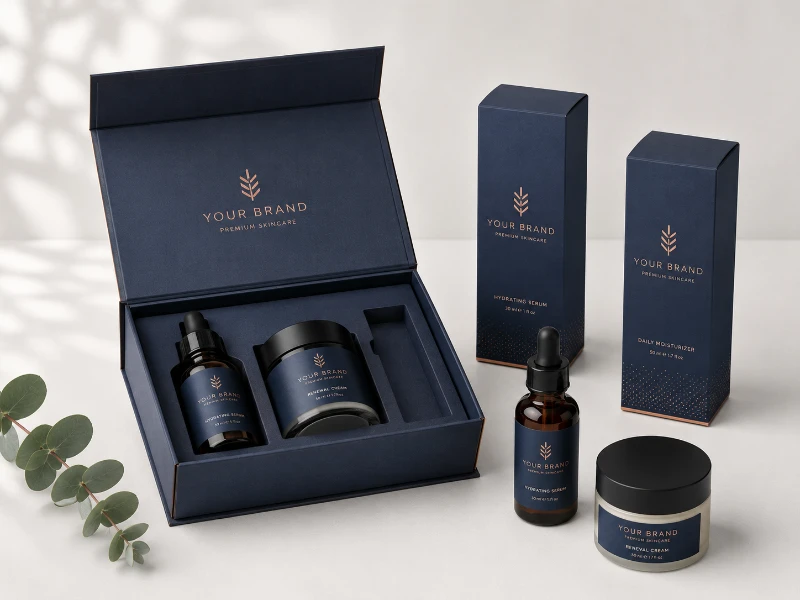
Standard Cream Jar Dimensions and Box Size Guide
Standard cream jar dimensions rely on physical measurements rather than labeled volume, requiring precise clearance calculations to ensure compatible retail and shipping box designs.
Cosmetic jars use distinct dimensional profiles based on their market application. Knowing these standard physical limits helps prevent downstream packaging errors and ensures correct box design.
Typical Capacity Ranges and Physical Measurements
- Standard Retail Sizes: Daily face creams and moisturizers generally use 30 ml (45 to 54 mm diameter, 45 to 55 mm height), 50 ml (55 to 74 mm diameter, 50 to 62 mm height), or 100 ml (65 to 84 mm diameter, 56 to 75 mm height) configurations.
- Sample and Travel Sizes: Trial jars and eye creams commonly use 10 ml (about 34 mm diameter, 35 mm height) or 15 ml (54 mm diameter, 41 mm height) options.
- Ounce-Based Sizing: Traditional fluid ounce capacities include 2 oz jars (2.25 inches diameter, 1.938 inches height without cap) and 4 oz jars (2.8125 inches diameter, 2.375 inches height without cap).
Key Dimensions for Box Packaging and Design
Box design requires calculating dimensions from the finished container. Designing carton templates around nominal volume alone leads to crushed stock or unstable products during transit.
- Nominal vs Brimful Volume: Labeled weight does not directly equal volume. Product formulation density determines how much physical space the cream occupies inside the jar.
- Box Clearance Calculations: Packaging teams measure the jar at its widest outer point and maximum height, including the cap. They add 2 to 3 mm of clearance to ensure a secure fit and smooth insertion.
- Closure Compatibility: Neck finish and lid styles directly impact the overall height and outer diameter. Designers need physical samples to verify these dimensions before manufacturing the outer boxes.
Cream Jar Box Size Clearance and Tolerance Guidelines
Perfect packaging fit requires sizing the box around the jar’s maximum physical dimensions and accounting for manufacturing tolerances before finalizing the external board specs.
| Jar Capacity | Typical Jar Diameter | Typical Jar Height | Recommended Box Size (L × W × H) | Common Box Style |
|---|---|---|---|---|
| 30 ml | 45–52 mm | 45–55 mm | 55 × 55 × 58 mm | Straight tuck end |
| 50 ml | 55–62 mm | 50–62 mm | 65 × 65 × 65 mm | Straight tuck end |
| 100 ml | 70–80 mm | 60–75 mm | 85 × 85 × 80 mm | Auto-lock bottom |
Clearance Calculations and Standard Jar Dimensions
Standardized fill volumes often mislead. Packaging engineers must size cartons using the physical container’s largest points to ensure structural compatibility and clean shelf presentation.
- True Maximum Dimensions: We measure the assembled cream jar at its absolute widest diameter and total height—including the cap, shoulder, and lid profile—instead of relying on nominal fill volumes.
- Base Clearance: Add 2–3 mm of total clearance to the internal box dimensions (or 1–3 mm per side) to secure a smooth, snug fit that prevents product rattling when designing without an insert.
- Headspace Allowance: Account for raised lids, pumps, or complex shoulder designs by adding 3–5 mm of extra vertical clearance above flat-top profiles so the top panel closes without friction.
Manufacturing Tolerances and Supplier Specifications
Manufacturing processes naturally involve small dimensional variations, so packaging designs should account for production tolerances. Design files must absorb physical box-making variations to eliminate packing errors on the assembly line.
- Manufacturing Tolerance: Account for production tolerances during dieline development and verify the final box dimensions through physical sampling before starting bulk production.
- Internal Cavity Control: Determine the required internal cavity size before finalizing outer board specifications. Material thickness, especially in rigid box structures, can reduce usable internal space and should be considered during design.
- Glass Protection: Increase lateral clearance and design custom inserts for fragile glass jars to prevent transit damage.
- Supplier Specification Sheets: Specify the actual jar diameter, total height, lid profile, and insert thickness instead of relying solely on outer carton dimensions.
- Sample Testing: Request a physical sample fit test before starting bulk production if the design clearance falls below 3 mm on any dimension.
Cream Jar Box Size With and Without Inserts
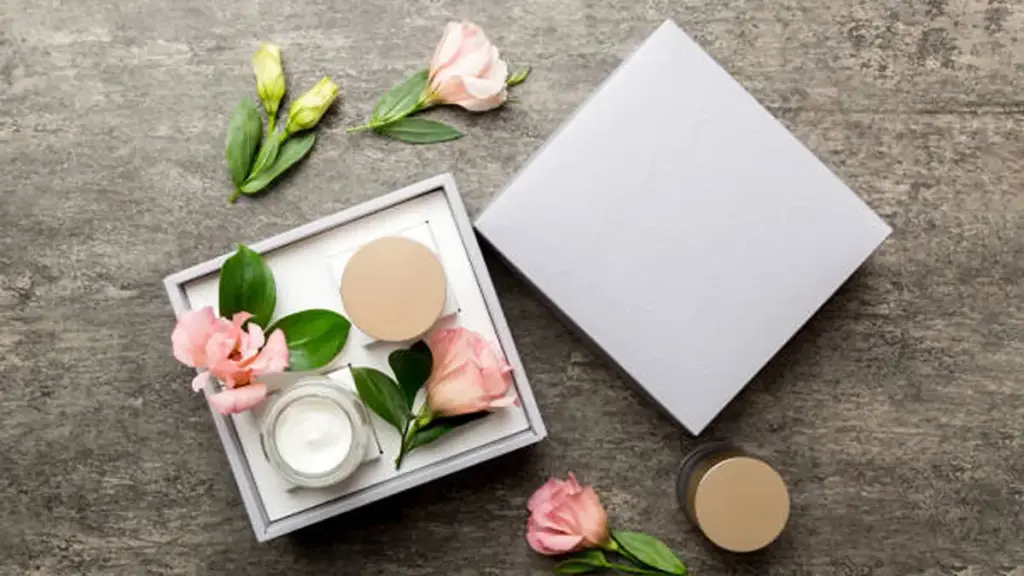
Matching box dimensions directly to the physical jar ensures a snug fit, while adding inserts requires calculated outer size expansion to maintain protective cavity walls.
Standard Box Dimensions for Jars Without Inserts
Packaging standard cream jars without inserts requires a tight relationship between container volume and internal carton dimensions. Using actual physical samples prevents product shifting on the shelf.
- 30 ml (1 oz) Cream Jars: We match these jars with compact 55 x 55 x 58 mm or 2.5 x 2.5 x 3 inch cartons to prevent excess shifting.
- 50 ml (1.7 oz) Jars: We size these for 65 x 65 x 65 mm or 3 x 3 x 3 inch boxes, utilizing near-square footprints to accommodate round jars and corner allowance.
- 100 ml (3.4 oz) Jars: We scale these full-size jars to 85 x 85 x 80 mm or 4 x 4 x 4 inch cartons depending on the jar shape and carton construction.
- Sample and Travel Jars: We design these for tight 2 x 2 x 2 inch boxes, keeping internal dimensions slightly larger than the jar for easy insertion.
Sizing Adjustments and Tolerances for Boxes with Inserts
Integrating protective inserts changes the entire dieline calculation. You cannot rely on standard jar footprints once paperboard, foam, or pulp dividers enter the equation.
- Footprint Expansion: We expand the outer box size to footprints like 4 x 4 x 2 inches when using inserts to allow room for the protective cavity.
- Clearance Allocation: We allocate 3 to 5 mm of clearance per side for the jar and a minimum 10 mm cavity wall when designing foam or paper inserts.
- Physical Calculation Points: We calculate the box size using precise physical points, including jar diameter, total height, lid height, base width, and material thickness.
- Rigid Box Cavity Limits: We verify the difference between inner and outer dimensions in rigid boxes, as thick board walls reduce usable internal cavity space.
Retail vs E-commerce Packaging Requirements
Retail packaging sells the product on the shelf. E-commerce packaging protects it through the logistics chain while complying with strict volume limits.
Shelf Presence and Material Selection for Retail Displays
Retail buyers make split-second decisions. To capture their attention, retail cartons prioritize shelf clarity and visual branding. We achieve this by using high-quality print finishes on coated paperboard.
But weight changes the structural math. Heavy or premium cream jars require reinforced folding cartons or rigid boxes. Brands can compare different folding carton styles to select a structure that balances protection, cost, and shelf presentation. This packaging prevents panels from bulging and supports premium brand positioning.
Store-shelf layouts dictate the final carton footprint. Brand managers must balance bold visual impact under store lighting with compact dimensions that fit standard retail shelves.
Transit Durability and Dimensional Efficiency for E-commerce Logistics
E-commerce fulfillment demands survivability over shelf aesthetics. Safe e-commerce distribution relies on a three-layer packaging stack: the retail carton, stabilizing inserts, and a corrugated outer mailer. E-commerce packaging also requires efficient use of space to reduce unnecessary shipping volume and protect products during transportation. Right-sized outer boxes solve two problems at once. They protect fragile glass jars from transit vibrations and drop impacts, and they lower dimensional weight shipping costs.
Common Cream Jar Box Sizing Mistakes
Sizing cosmetic boxes based on labeled volume rather than the assembled jar’s outer boundaries causes packaging line jams and loose, cheap-feeling retail presentations.
Packaging engineers and brands frequently encounter avoidable delays because they rely on nominal bottle volumes rather than the physical footprint of the finished product. These errors distort the production process from the start.
Miscalculating jar dimensions and omitting the lid
Getting the base measurements wrong ensures the final carton will fail structural testing. Brands commonly make these primary measurement errors during the initial specification phase:
- Lid omission: Measuring the jar body without the cap assembled yields a finished carton that is too short for the actual product.
- Dimension confusion: Using external box dimensions instead of internal clearance leaves insufficient room for the jar to fit.
- Unit system mixing: Combining inches and millimeters during the design phase creates inaccurate dielines and production errors.
- Premature rounding: Rounding measurements too early in the planning stage results in tight or loose-fitting cartons.
Ignoring clearance for inserts and skipping physical prototyping
A box must protect the jar and support smooth assembly. Neglecting the physical interaction between the carton, the inserts, and the container leads to downstream failures:
- Zero-buffer clearance: Neglecting the 2 to 3 mm clearance buffer prevents smooth insertion and removal of the cream jar.
- Insert neglect: Failing to account for paperboard thickness and internal protective inserts, divider trays, or liners reduces the usable inner space.
- Prototyping bypass: Skipping physical prototyping prevents packaging teams from verifying real-world production variances before bulk manufacturing.
- Premature artwork design: Designing artwork and layout before finalizing the technical dieline leads to misaligned graphics across the panels.
Choosing a Cream Jar Packaging Manufacturer
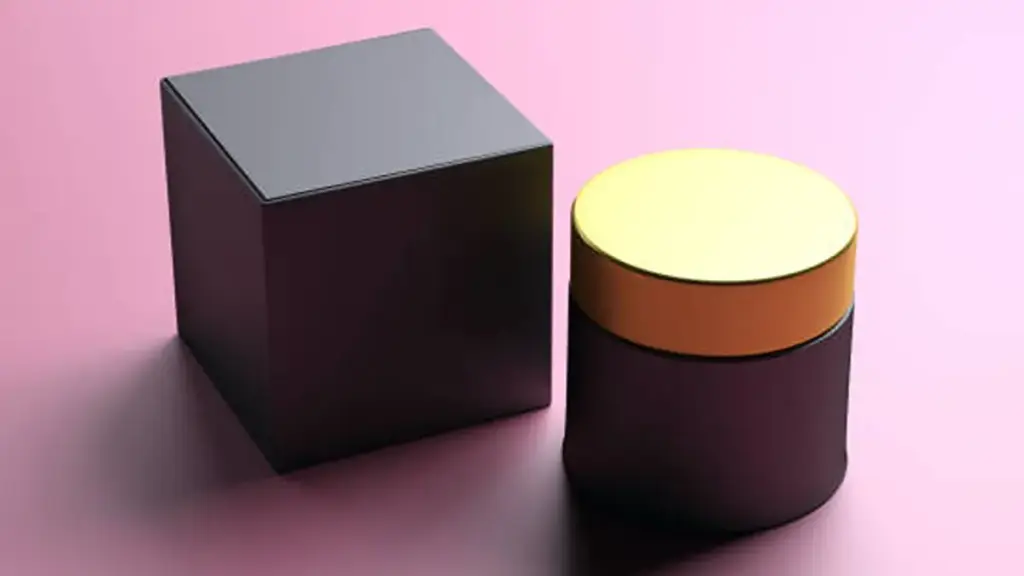
Sizing cream jar cartons requires matching actual outer dimensions, adding precise clearances, and specifying internal box volume to secure products and prevent transit damage.
Standard Sizing Standards and Box Configurations
Retail-ready cream jars require standardized outer dimensions to fit clean shelf displays and minimize shipping costs. Relying solely on labeled fluid volume leads to poor-fitting cartons and shifting products during transport.
- Standard size bands: Cartons range from small sample or travel jars (2 x 2 x 2 inches) to standard daily face creams (3 x 3 x 3 inches or 65 mm square) and larger treatment containers (3.5 x 3.5 x 3 inches to 4 x 4 x 4 inches).
- Jar-to-box fit references: A standard 30 ml jar fits a 55 x 55 x 58 mm box, a 50 ml jar fits a 65 x 65 x 65 mm box, and a 100 ml jar fits an 85 x 85 x 80 mm box.
- Clearance rules-of-thumb: Packaging engineers add approximately 0.25 inches of clearance to the widest outer points of the container and account for the thickness of any inserts or protective liners.
- Common box configurations: Straight tuck-end, reverse tuck-end, and square cartons serve as the primary structural styles for housing cosmetic cream jars on retail shelves.
Manufacturer Communication Protocols and Fit Verification
Clear data exchange with your production vendor prevents costly structural revisions and transit damage. Precise technical inputs keep the product secure throughout the supply chain.
- Critical specification inputs: Always provide the manufacturing partner with the exact outer dimensions, capacity in ml/oz, specific cap or pump profiles, and high-resolution reference photos.
- Internal versus external dimensions: Ensure the manufacturer quotes and builds based strictly on internal space to account for board wall thickness and chosen material grades.
- Insert and protective lining planning: Define the use of paperboard inserts, EVA foam, or molded paper pulp trays early in the design cycle to prevent jar rattle and establish the correct internal box size.
- Prototyping and error prevention: Avoid designing the carton around standard fluid capacity labels. Request a physical dieline prototype and perform a physical fit check before approving mass production.
Custom Cream Jar Packaging Solutions from PackCCP
Choosing the right box size requires more than selecting standard dimensions. PackCCP provides custom paper packaging solutions that help cosmetic brands optimize box structures, materials, printing finishes, and protective inserts based on their product requirements. With experienced engineering support, brands can verify packaging dimensions through sampling before moving into bulk production. PackCCP supports fully customized packaging for cosmetics, including structural design, material selection, surface finishing, and accessory integration. From small emerging brands to established companies, our team helps create packaging solutions that balance product protection, visual appeal, and production efficiency.
Frequently Asked Questions
How do I measure a cream jar for packaging?
Place the jar on a flat surface and measure its widest external point, which is typically the cap or shoulder, to find the outer diameter. Measure from the flat base to the top of the lid to determine the full height. For square jars, measure the width, length, and height directly. Always measure the actual physical container rather than relying on labeled specifications.
How much clearance is needed inside the box?
Standard direct-fit cartons require 2 to 3 mm of clearance per dimension so the jar slides in smoothly. If the container features a raised cap or irregular lid, add 5 to 10 mm of headspace. When utilizing a custom insert, leave 0.5 to 1 mm around the outer edge of the insert and 1 to 2 mm inside the product cavity to ensure a secure but removable fit.
What size should a standard cream box be?
Jar capacity determines the box size. A typical 1.7 oz (50 ml) jar uses a 65 x 65 x 65 mm (or 2.5 x 2.5 x 3 inch) box. A 1 oz (30 ml) jar fits a 55 x 55 x 58 mm box, while a larger 3.4 oz (100 ml) jar requires an 85 x 85 x 80 mm carton. Small sample jars often fit 2 x 2 x 2 inch boxes.
Does board thickness affect the interior dimensions of the box?
Yes. Thicker board increases the outside dimensions of the package while reducing the usable inside space. Rigid cosmetic boxes often use board thicknesses of 1.5 to 3.0 mm, which can make the exterior footprint 5 to 7 mm larger than the interior cavity. Designers must build the dieline using the inside dimensions to guarantee the jar fits.
Should I add an insert to my cream jar packaging?
Add an insert if you use fragile glass, a heavy jar, or a loose-fitting carton. Inserts are also necessary for multi-piece kits that package a jar with a spatula or leaflet. You can skip the insert if you use a lightweight plastic container that has a tight, direct-fit square carton.
What is a packaging dieline and why is it important?
A dieline is a flat, 2D technical blueprint that shows exactly where a box will be cut, folded, perforated, and glued. It translates 3D packaging dimensions into a physical production file. Using an accurate dieline ensures a precise fit, correct artwork alignment, and minimal material waste during manufacturing.
What are the most common mistakes to avoid when sizing cream boxes?
Avoid measuring the bare container without its cap, label build-up, or pump. Do not confuse internal and external dimensions, as board thickness changes these values. Do not rely on competitor sizes without conducting physical prototype tests, and never assume product weight directly equals fill volume, as cream densities vary by formula.
Final Thoughts
While cheap, off-the-shelf boxes might lower your upfront costs, implementing precise structural dielines with calculated clearance is the only way to safeguard your brand from shipping damage and retail shelf warping. Even small dimensional differences can affect product fitting, packaging assembly, and the overall customer experience. Investing in custom-sized packaging helps improve product protection, packaging efficiency, and the overall customer experience.
Eliminate the risk of poor-fitting packaging before committing to mass production. We recommend ordering a physical structural prototype to verify the exact fit and clearance of your cream jars. Contact our technical team today to discuss your OEM requirements and request a custom dieline sample.