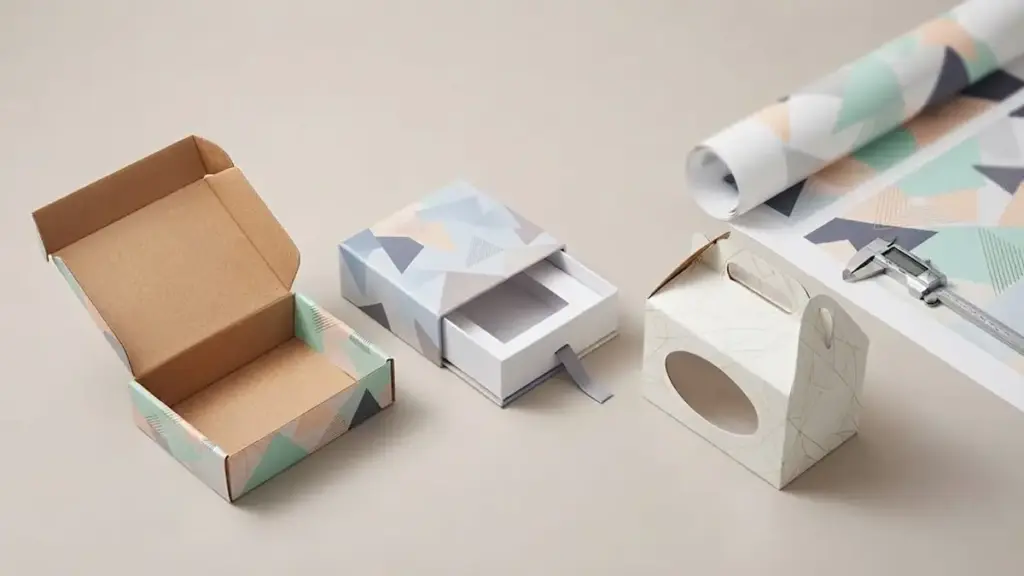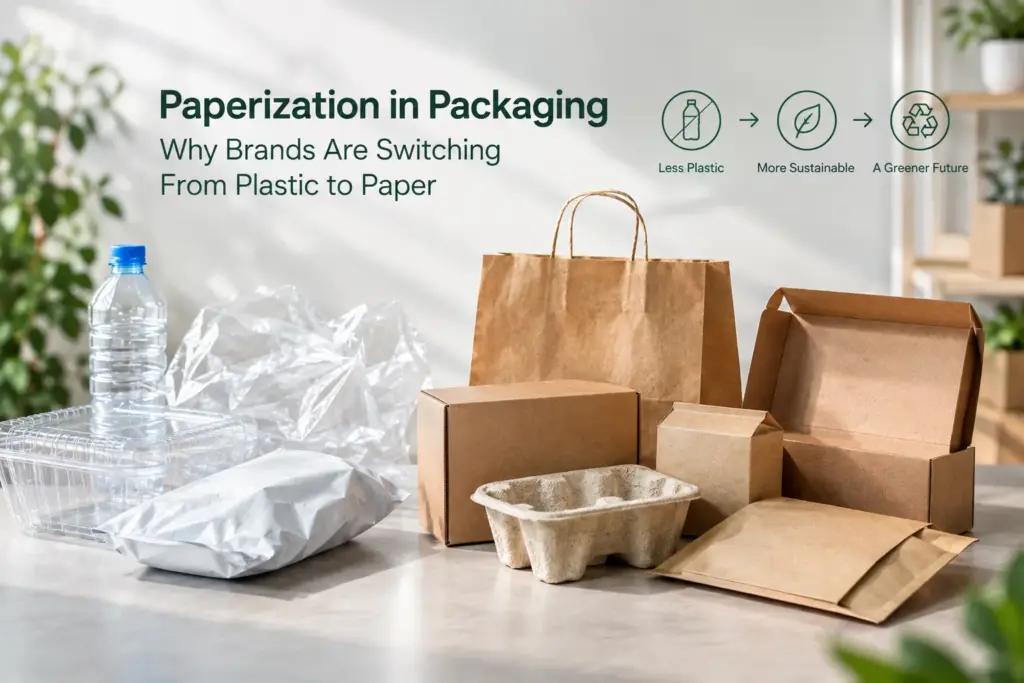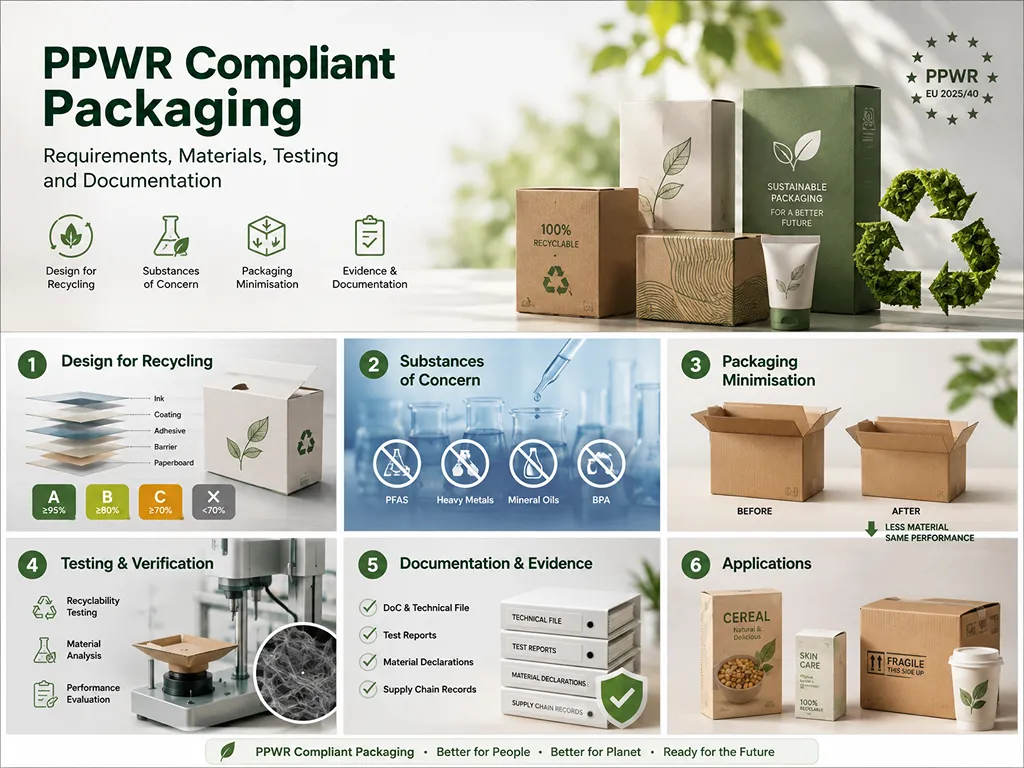
Well-designed cosmetic packaging inserts help reduce transit damage by keeping products securely in place and adding protection around fragile components. Without the right internal support, fragile glass bottles, pressed powders, and other cosmetic products can shift or collide during transit, increasing the risk of breakage, returns, and customer complaints.
This guide compares common insert materials, including EVA foam, molded pulp, paperboard, and thermoformed plastic, and explains how product fragility, shipping conditions, volume, and budget affect the final choice.
What Are Cosmetic Packaging Inserts?
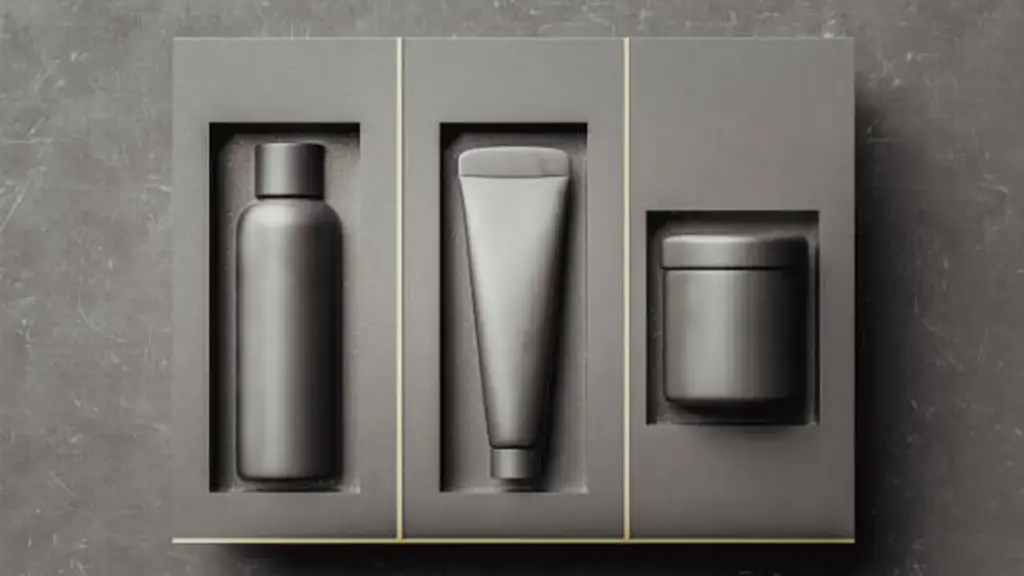
Cosmetic inserts are internal packaging components that hold beauty products securely in place during transportation while also helping create a neat, organized unboxing experience.
Definition and Core Protective Functions
Cosmetic packaging inserts are structural components placed inside an outer box, bag, or case. They function as customized supports designed specifically to cradle, separate, and immobilize delicate beauty items.
During transit, these components perform three critical protective tasks:
- Shock and vibration absorption: Inserts absorb the impact energy from drops and logistics handling, preventing fragile glass bottles, mirrors, and pressed powders from shattering.
- Immobilization and collision prevention: Custom cavities lock each product in place to stop them from shifting or colliding with other items in the box.
- Surface and seal protection: By limiting movement, inserts prevent caps from loosening to stop leaks, and they shield decorated containers from scuffs, scratches, or wear on printed logos.
Classification by Material and Purpose
Packaging inserts divide into structural protection and informational branding. Brands often integrate both to build a complete packaging system.
- EVA foam: Provides high-density, precise cushioning for premium, heavy, or highly fragile glass cosmetics.
- Paperboard and cardboard: Offers a cost-effective, easily printable, and highly recyclable structure for lightweight items like lipsticks and palettes.
- Molded pulp: Delivers a custom-shaped, sustainable, and biodegradable option for eco-positioned skincare lines.
- Thermoformed plastic: Ensures high dimensional accuracy and product visibility for retail display sets.
- Informational inserts: Comprises printed leaflets, instruction cards, and promotional items that communicate usage steps or brand stories without providing physical protection.
To succeed, these components must integrate directly with both primary packaging (such as bottles or tubes) and secondary packaging (the outer box). This coordination ensures that labeling requirements, structural safety, and unboxing aesthetics all work together as a single, cohesive system.
Why Cosmetic Packaging Inserts Matter for Product Protection
Custom-fit packaging inserts eliminate in-transit cosmetic damage, slashing costly product returns while securing the unboxing experience critical for brand reputation.
Preventing Transit Damage and Structural Failure
Beauty products can be exposed to drops, vibration, compression, and repeated handling throughout the distribution process. Custom-designed inserts provide an important layer of protection by keeping products in position and reducing movement inside the package during handling and transportation.
- Product Immobilization: Custom-shaped cavities lock items in place, stopping vertical and side-to-side shifting during transit.
- Shock Absorption: Resilient materials like foam, molded pulp, and corrugated board absorb impact energy to shield fragile glass and pressed powders from cracking.
- Abrasion Control: Dedicated compartments prevent containers from rubbing together, eliminating scuffs on premium lacquered caps and printed logos.
- Compression Support: Internal structures carry stacking loads, protecting delicate droppers and tubes from crushing under heavy warehouse pallets.
A well-designed insert helps protect the primary container, which is often an important part of the product’s overall presentation.
Protecting Brand Value and Reducing Return Costs
For cosmetics, the primary package is a central selling point. Minor transit damage ruins the consumer’s first impression and damages brand equity.
- Unboxing Quality: Preserving the pristine state of primary containers delivers a flawless unboxing experience that supports premium market positioning.
- Stress Prevention: Precision-fit channels lock irregular bottle geometries, like custom perfume flacons, to remove concentrated stress points and stop leakage.
- Financial Recovery: Minimizing transit breakage directly drives down replacement shipping fees, warehouse handling costs, and inventory write-offs.
- Eco Integration: Material selection should be based on the protection the product actually needs. In some applications, paperboard or molded pulp can replace plastic foam without compromising the required level of support.
Preventing damage before products reach the customer can help reduce replacement, return, and reshipping costs, especially for higher-value beauty products.
Scale Your Brand With Custom Cosmetic Packaging
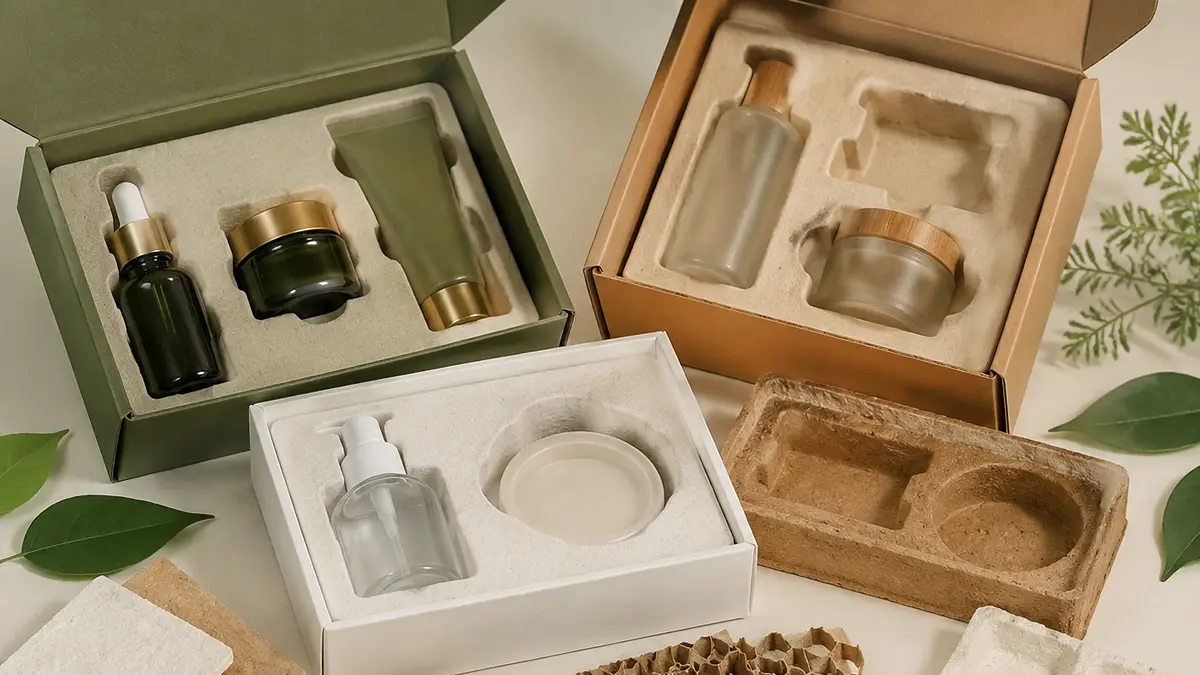
Types of Cosmetic Packaging Inserts: EVA, EPE, Molded Pulp, Paperboard & Thermoformed Trays
Choosing the right packaging insert requires balancing product fragility, transport channels, and brand positioning to eliminate shipping damage while maintaining unboxing standards.
Cosmetic Insert Materials and Their Protective Characteristics
Different cosmetic formulations and container materials dictate your choice of internal packaging. Selecting the wrong substrate leads directly to shattered glass, leaking pumps, or scuffed retail cases during transit.
- EVA Foam: Dense, precision-cut cavities hold fragile glass serums, high-end fragrances, and premium makeup securely. It offers premium unboxing aesthetics alongside maximum impact protection.
- EPE Foam: Highly resilient, lightweight, and cost-effective cushioning designed for shipping-focused e-commerce packs. It absorbs repeated shocks without adding excess weight to parcel shipments.
- Molded Pulp: Sustainable, fiber-based formed trays that secure skincare jars and e-commerce cosmetics. This bio-based alternative provides reliable structural defense and shock absorption.
- Paperboard: An economical, easy-to-print option best suited for lightweight, low-fragility items. It functions well for lipsticks, mascaras, and flat makeup palettes inside rigid outer boxes.
- Thermoformed Plastic Trays: Custom-formed plastic cavities can hold individual cosmetics or multi-piece sets securely while keeping the products visible in retail packaging.
How to Select Inserts for Different Cosmetic Products
Engineering an insert that actually protects your product requires evaluating physical vulnerabilities, logistic routes, and target margins before cutting any tooling.
- Fragility and Material: Assess the primary container. Delicate glass bottles require robust cushioning like EVA or molded pulp, while robust plastic tubes pair well with lighter paperboard dividers.
- Brand Positioning: Align the insert material with your marketing narrative. Choose molded pulp for eco-friendly campaigns and high-density EVA foam for luxury, high-ticket unboxing experiences.
- Logistics Profile: Consider how the product will be shipped. Long-distance export shipments and parcel deliveries usually involve more handling, so fragile products may need stronger cushioning and tighter product retention.
- Budget and Production Volume: Balance tooling costs against run sizes. Use flat-packed paperboard to keep unit costs low on high-volume lines, and reserve custom foam for premium, low-volume gift sets.
- Prototype Testing: Verify physical dimensions and run real-world drop tests using filled prototype samples before greenlighting mass production. This step prevents expensive line errors and packaging failures.
How to Choose Cosmetic Packaging Insert Materials
Matching insert materials to product weight, shipping channels, and brand positioning prevents costly in-transit breakage while optimizing total packaging spend.
| Material | Best Application | Primary Advantage | Key Limitation |
|---|---|---|---|
| EVA Foam | Fragile luxury glass, perfumes, high-end serums | Maximum shock absorption, precise custom fit | Higher unit cost, difficult to recycle |
| Molded Pulp | Sustainable skincare jars, bottles, e-commerce kits | Strong structural rigidity, 100% recyclable/compostable | Textured finish, requires upfront tooling costs |
| Paperboard & Corrugated | Lipsticks, mascaras, lightweight palettes | Lowest unit cost, excellent printability | Minimal cushioning for heavy glass |
| Thermoformed Plastic | Retail window boxes, multi-piece makeup sets | High product visibility, precise cavity retention | Negative eco-perception, high mold costs |
Core Decision Criteria for Cosmetic Insert Selection
Choosing insert materials requires analyzing your specific product characteristics, distribution paths, and commercial targets. Four criteria dictate your optimal layout:
- Product Weight and Fragility: Heavy glass bottles and delicate glass serums demand shock-absorbing foam or molded fiber to survive drops. Lightweight items like lipsticks and plastic tubes run safely in simple folding paperboard.
- Shipping Channels: E-commerce parcel logistics subject boxes to high drop impacts, requiring rugged internal support like corrugated inserts. Retail distribution focuses on shelf presentation, favoring high-visibility trays.
- Brand Positioning: Material choices must match brand values. Natural skincare brands use unbleached kraft paperboard or molded pulp, while luxury collections use dense, custom inserts for a premium touch.
- Budget and Volume: Order volumes dictate whether custom tooling makes financial sense. Standard die-cut paperboard works well for small production runs, whereas molded pulp or custom foam require larger batches to offset mold costs.
Comparison of Common Cosmetic Insert Materials
Each insert material balances protection, unboxing aesthetics, and cost differently. Evaluating these options helps secure transit safety without over-packaging:
- EVA Foam: This material provides maximum cushioning and a precise, snug fit for high-end glass flacons. It delivers a premium aesthetic but carries higher unit costs and presents recycling challenges in standard consumer streams.
- Molded Pulp: An eco-friendly option made from recycled fibers. It provides rigid structure and solid cushioning for heavy skincare jars, fitting clean beauty brands perfectly.
- Paperboard and Corrugated: These materials offer excellent printability and cost-efficient recyclability. They are best for lightweight cosmetic items, palettes, and subscription boxes that do not require heavy impact damping.
- Thermoformed Plastic: These vacuum-formed trays maximize product visibility in retail window boxes. They face strict environmental scrutiny and involve high upfront tooling investments.
Cosmetic Packaging Inserts for Lipstick, Perfume, Skincare & Gift Sets
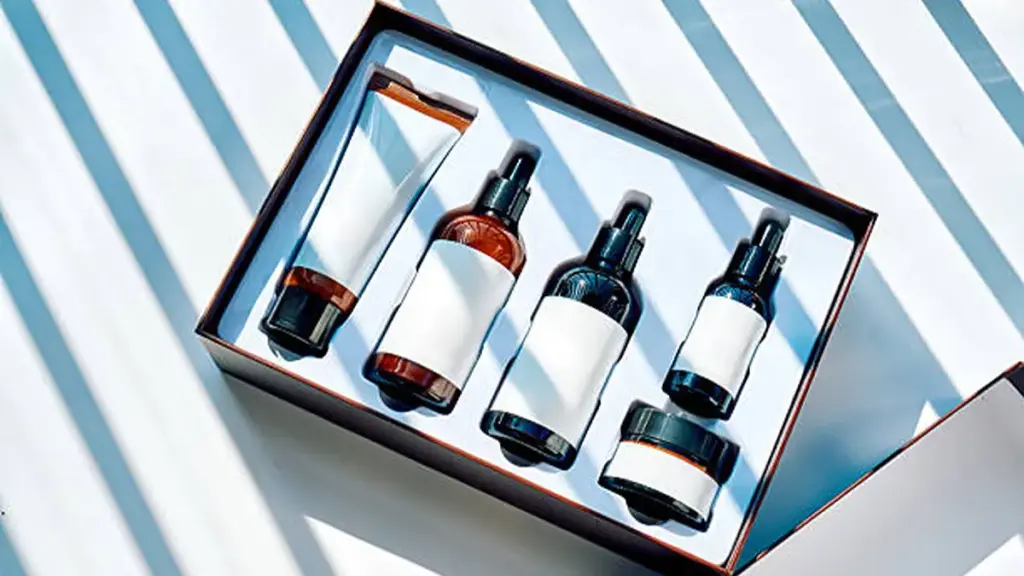
Custom-engineered cosmetic inserts isolate fragile glass, protect finished metal cases from scuffing, and secure multi-product gift sets through rigorous shipping cycles.
Material Selection and Fit Engineering for Individual Form Factors
Primary containers dictate your insert strategy. Lightweight plastic cases and heavy glass bottles require distinct load-bearing designs to survive transit vibrations.
- Paperboard and Molded Pulp: Provide lightweight, cost-effective protection for lipsticks, sample vials, and skincare mini containers to prevent surface scuffing.
- High-Density Foam and Thermoformed Trays: Isolate heavy glass perfume flacons and fragile serum droppers to absorb high-impact drop shocks.
- Dimensional Fit: The insert should be designed to fit the inner dimensions of the outer box while allowing for the material thickness, folding structure, manufacturing tolerance, and the level of retention required for the product.
- Precision Cavities: Feature integrated finger clearance and thumb notches to allow effortless product extraction without sacrificing vertical stability.
Test the insert with the actual filled product whenever possible. Empty samples do not accurately represent the weight distribution or center of gravity of the final product.
Structural Layouts and Protective Standards for Multi-Product Gift Sets
Multi-product configurations present complex weight dynamics. When heavy glass sits adjacent to thin-walled plastics, the internal engineering must eliminate any chance of components colliding.
- Symmetric Visual Layouts: Highlight hero products in prominent, central slots while organizing secondary items into logical, step-by-step regimens.
- Internal Partitions: Establish target cushioning thicknesses to prevent glass-on-glass collision and shield fragile pump actuators from side impacts.
- Multi-Layer Configurations: Leverage open faces and structural backing cards to print required warnings and multi-language usage instructions for small items.
- Tamper-Evident Support: Reinforce the shipper box and secure internal breakable seals, keeping the outer secondary packaging rigid during transit.
The insert and outer carton should be designed together so the internal structure supports the box without creating excessive pressure on the panels or corners. This approach directly lowers retail return rates while upgrading the unboxing experience.
Sustainable Cosmetic Packaging Insert Options
Switching to sustainable inserts preserves product safety and brand credibility while cutting down on plastic waste and unboxing friction.
Selecting the right material requires balancing structural resilience with environmental footprints. For cosmetic inserts, sustainable materials in cosmetic packaging include paperboard, corrugated fiberboard, and molded fiber. The right choice depends on the product weight, required cushioning, box structure, and the local recycling system.
Eco-Friendly Material Classifications for Protective Inserts
- Molded pulp and agricultural fibers: These materials provide high-impact protection, cradling fragile glass bottles and jars to prevent collision damage during transit.
- FSC-certified paperboard: This option offers exceptionally smooth surfaces for premium brand printing and integrates easily into standard retail boxes.
- Corrugated cardboard: This structural board provides lightweight, high-strength durability, making it ideal for e-commerce and subscription box shipping.
- Post-consumer recycled PET: Thermoformed trays made from rPET provide clear visibility, letting brands display product shapes and colors on the shelf.
Brands cannot simply swap plastics for paper without altering their structural blueprints. Replacing plastic with paper also requires changes to the insert structure, material thickness, and manufacturing process. Suppliers should verify the material and its relevant certifications before making environmental claims.
Strategic Design Principles and Material Optimization
- Fragility analysis: Analyze cosmetic container fragility and shipping environments to determine the exact level of cushioning required before selecting substrates.
- Mono-material systems: Prioritize paperboard structures to simplify the waste separation process for consumers, ensuring the entire box goes into a single recycling bin.
- Component consolidation: Consolidate multiple internal dividers and trays into single die-cut structures to reduce total material weight and speed up assembly lines.
- Certification verification: Verify supplier material certifications and recycled content percentages to back up environmental claims with auditable data.
We recommend conducting physical drop tests on filled, completed packs to ensure these optimized paperboard layouts match the performance of legacy foam setups.
Cosmetic Packaging Insert Cost Considerations
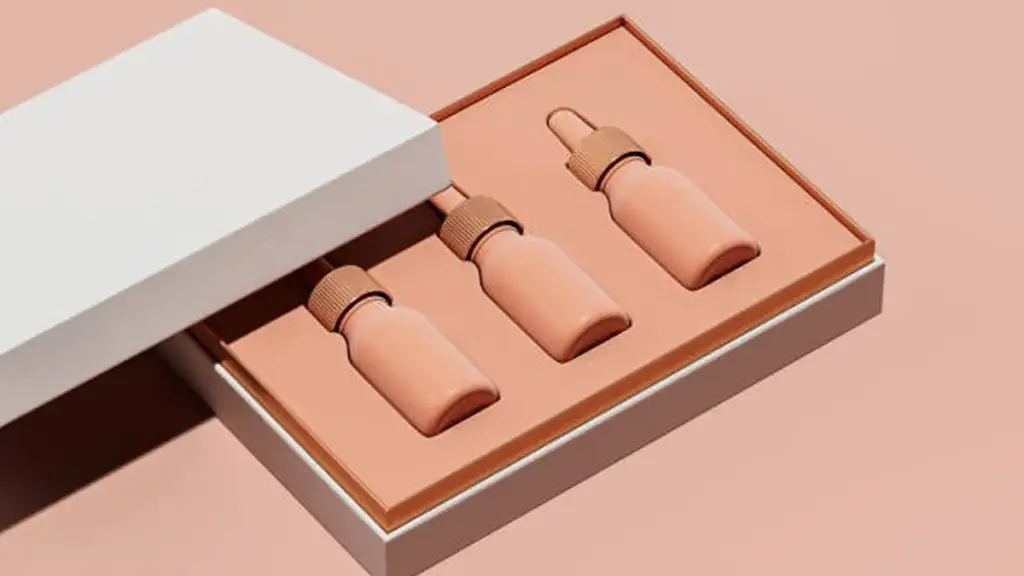
Insert costs vary by material, structure, order volume, and production requirements. Aligning material choice with product fragility and volume targets can help control total packaging costs.
Key Drivers, Hidden Expenses, and Budget Optimization
Unit price is only one part of the financial equation. Real-world complexity, ordering strategies, and development overhead can quietly inflate project costs if left unchecked during the design phase.
- Structural Complexity: Custom multi-cavity structures, additional components, and more complex assembly can increase unit costs, while simpler die-cut layouts usually require less tooling and processing.
- Order Volume (MOQ) Impact: Low-volume orders can have much higher unit costs because tooling, setup, sampling, and other fixed costs are spread across fewer units. Higher production volumes can reduce the per-unit cost by spreading these fixed expenses across more pieces.
- Development and Design Fees: Non-unit expenses run high. Development costs can include structural design, prototyping, tooling, testing, and sampling, with the total varying significantly by project complexity and production volume.
- Landed Cost Variables: Bulky pre-assembled foam or pulp trays drive up freight and warehousing fees. Flat-packed paperboard alternatives reduce required shipping and storage space.
- 2026 Budget Strategies: Industry experts recommend standardizing insert dimensions across multiple SKUs. Keeping print work on the insert minimal allows you to focus premium decoration budgets on the outer carton.
Common Cosmetic Packaging Insert Design Mistakes
Flawed insert engineering triggers transit damage and packaging line bottlenecks. Avoid these critical structural, material, and user experience mistakes to protect your product and brand reputation.
Structural and Material Engineering Failures
Many cosmetic brands treat packaging inserts as purely decorative backdrops rather than load-bearing safety systems. This fundamental misunderstanding of structural physics leads to shifted components, product leakages, and shattered glass long before the shipment reaches the retail shelf.
- Inadequate Board Weight or Structure: The insert material needs enough stiffness and strength to support the product and withstand the expected handling and stacking conditions. The required board caliper depends on the insert structure, product weight, outer box design, and distribution environment rather than a single universal thickness.
- Incorrect Clearance Dimensions: Designing excessive clearance inside the cavity creates dead space, allowing products to rattle and collide. Conversely, overly tight cavities make products difficult to remove. Avoid excessive clearance around the product. The insert should hold the item securely without making loading or removal difficult. The actual clearance depends on the product dimensions, insert material, structure, and manufacturing tolerances.
- Omitted Transit Testing: Skipping physical drop tests and vibration simulations with fully filled containers leads to real-world failures. Empty packaging dummies behave differently than actual filled retail units because product liquids and gels shift the center of gravity.
- Poor Material Selection: Choosing fragile, non-recyclable, or low-quality materials damages brand credibility. The insert material should also fit the brand’s positioning. For example, a premium line may require a more refined insert finish, while an eco-focused brand may prefer paperboard or molded fiber over plastic foam.
Functional Integration and User Experience Flaws
A protective insert must coordinate with the outer box dimensions and the physical packing line. When designers prioritize graphic layouts over structural compatibility and production realities, they create costly assembly bottlenecks and frustrating customer experiences.
- Premature Graphic Layouts: Initiating visual design before securing verified packaging dielines from the packaging supplier can result in misaligned cutouts and unusable templates. Lock the physical structure and fold lines before applying branding artwork.
- Overly Complex Configurations: Developing inserts with intricate folds, complex locking tabs, or excessive layers slows down manual and automated filling lines. This design-first approach spikes labor times, reduces throughput, and increases assembly defects.
- Uncoordinated Dimensions: Failing to coordinate internal insert dimensions directly with the outer box system leads to bowed panels, crushed corners, or loose internal gaps. The outer carton and the inner insert must be engineered together as a single unified system.
- Poor Unboxing Ergonomics: Neglecting the final consumer experience with deep wells, stiff structures, or missing finger cutouts frustrates users. Add thumb notches and pull-tabs so customers can safely retrieve products without using excessive force.
Working With a Cosmetic Packaging Insert Supplier
Vetting partners, running physical drop tests, and aligning commercial terms before tooling prevent costly launch bottlenecks and structural transit failures.
Selecting and Vetting Cosmetic Packaging Partners
Before sending a single inquiry email, you need to map out your technical blueprint. The more detailed the RFQ is, the more accurate the supplier can make the quotation and production recommendation. Serious packaging suppliers need detailed structural, material, and regulatory specifications to provide accurate pricing and realistic lead times.
- Structural Geometry: Exact measurements of primary containers, including closures and pump clearance.
- Material Specifications: Paperboard GSM, fluting types, foam density (like EVA at 100-140 kg/m³), or molded pulp composition.
- Regulatory Guidelines: Compliance standards like ISO 22715, EU Regulation (EC) 1223/2009, or FDA labeling requirements.
Once specs are ready, vet your candidates. Prioritize manufacturers who specialize in cosmetics. Experience with cosmetic packaging can be valuable because details such as cap protection, product fit, and presentation can have a significant impact on the final packaging result. Look for partners with over five years of export experience to major markets like the US, Europe, or Japan. These regions enforce strict regulatory and aesthetic standards, meaning these suppliers already have functional QC systems in place.
Vetting also means checking in-house engineering and prototyping assets. Before tooling begins, ask whether the supplier can provide a white sample, dieline, or CAD drawing for structural review. This helps identify fit and assembly issues before production tooling is finalized. You need to know their exact tooling lead times before committing. Finally, secure the commercial parameters. Negotiate pricing tiers based on realistic volume projections and secure safe payment terms. Protect your cash flow by withholding the final balance until your inspection team approves the production batch.
Why Choose PACKCCP for Custom Cosmetic Packaging Inserts
PACKCCP provides custom cosmetic packaging from structural design and sampling through printing, finishing, quality inspection, and bulk production. Its insert options include paperboard, corrugated, EVA foam, molded pulp, dividers, and PET blister trays, allowing brands to match protection requirements with product positioning and budget. As a custom paper packaging manufacturer serving global brands, PACKCCP also supports FSC-certified paper, recycled materials, and other packaging options for sustainability-focused projects. The team works with brands on product dimensions, box structures, insert layouts, and finishing details to create packaging that fits the product rather than relying on standard off-the-shelf inserts. For projects that require both presentation and protection, this integrated approach can simplify supplier coordination and help keep the outer box, insert, printing, and finishing aligned from prototype to production.
Managing Technical Alignment and Quality Control
Never sign off on mass production using a 3D render. Digital files do not simulate transit stress. You need a physical sample using the actual production substrates. Run fit checks with real, filled containers to account for weight and center-of-mass shifts. Then, put them through drop and shake tests.
- The Shake Test: Place the filled primary container in the insert inside the box. Shake it vigorously. If the product moves noticeably or rattles during a fit check, review the cavity size and support points and adjust the insert structure as needed.
- The Drop Test: Run drop and vibration testing on filled packages using a test method appropriate to the intended distribution environment, such as ASTM D5276 or an applicable ISTA procedure.
- AQL Definition: Define Acceptable Quality Limits for critical defects, like broken partitions, and minor defects, like misaligned print, before the run begins.
Overall development time depends on the number of design revisions, prototyping, tooling, testing, material sourcing, and production requirements. Confirm the expected timeline with your supplier before approval. Map out approval milestones, tooling phases, and pre-production trials. Building this buffer into your schedule keeps your launch timeline safe from typical factory delays.
Work with your supplier on eco-design optimization. Simplifying your insert layouts to use mono-materials, like paperboard boxes with matching paper trays, cuts assembly labor and makes recycling easier for the customer. Secure certificates for FSC-sourced fibers or PCR plastics, and establish a qualified backup supplier. This dual-source strategy ensures a single material shortage will not halt your entire production line.
Cosmetic Packaging Inserts: Frequently Asked Questions
What are cosmetic packaging inserts?
Cosmetic packaging inserts are custom-shaped interior components placed inside boxes, bags, or cartons to secure, protect, and organize products. Made from materials like paperboard, molded pulp, foam, or plastic, these trays, dividers, and cushioning structures hold items in place to prevent shifting and collision during transit. They also enhance the unboxing experience by presenting each cosmetic item in a clean, professional, and visually aligned layout.
Which packaging insert material works best?
The ideal material depends on product weight, fragility, shipping environment, brand positioning, and budget. High-density EVA foam provides top-tier shock absorption and a premium feel for fragile glass perfume bottles and luxury skincare. Molded pulp offers robust protection and excellent sustainability credentials for clean beauty lines. Recycled paperboard balances cost, high-definition printability, and recyclability for lightweight items like lipsticks and palettes. Corrugated board is the reliable option for subscription boxes and heavy shipping kits, while thermoformed plastic trays maximize retail visibility.
Is EVA foam better than paper inserts?
EVA foam outperforms paper inserts in physical protection, shock absorption, and contour-fit precision for fragile, heavy, or high-value glass cosmetics. It holds complex geometries in place and survives rough shipping conditions. But paperboard inserts cost less, allow full-color interior printing, and align perfectly with plastic-free sustainability goals. For lightweight products like lipsticks or mascaras, engineered paperboard is usually the more efficient and sustainable choice.
Are molded pulp inserts protective enough for glass cosmetic packaging?
Yes, custom-engineered molded pulp inserts provide sufficient protection for most standard glass bottles, jars, and compacts. They cradle items in shaped cavities that limit product movement while allowing enough clearance for easy loading and removal. While ultra-fragile luxury glass with low G-force tolerance may require high-density foam, molded pulp handles warehouse stacking and courier handling well when paired with a sturdy outer box.
Can cosmetic packaging inserts be recycled?
Clean, dry paperboard, corrugated cardboard, and uncoated molded pulp inserts are widely recyclable in standard curbside bins. Clear rigid plastic trays (PET or HDPE) are also recyclable in many municipal programs if they are clean and large enough for sorting machines. Plastic foams (EVA, PU, PE), bubble wrap, black plastic, laminated paperboard, and composite trays containing magnets or mirrors rarely enter standard household recycling streams. These materials require specialized take-back programs or go to general waste.
What type of packaging insert works best for perfume bottles?
High-density EVA foam is the industry standard for premium and sculptural perfume bottles because it cushions heavy glass, protects fragile bottle necks, and preserves delicate surface finishes from scuffing. For sustainable or refillable fragrance lines, refined molded pulp offers a highly protective, textured, and recyclable alternative. Lightweight or simple cylindrical bottles can use precise die-cut paperboard platforms inside rigid outer boxes to control costs.
What insert is best for lipstick?
For lipstick, the insert should hold the tube securely and prevent excessive movement inside the box. Paperboard dividers, die-cut structures, or thermoformed trays can be used depending on the tube dimensions, quantity, and level of protection required. For luxury collections, fabric-wrapped foam adds a premium tactile feel while protecting polished metal cases from scuffs and scratches.
How much do custom cosmetic packaging inserts cost?
Custom cosmetic packaging insert costs vary widely depending on material, dimensions, structure, tooling, finishing, order volume, and assembly requirements. Simple die-cut paperboard inserts are generally more economical, while EVA foam, molded pulp, and thermoformed trays may involve additional tooling or processing. For an accurate quotation, suppliers typically need the product dimensions, insert material, quantity, box structure, and required finishing details.
Do packaging inserts increase shipping costs?
Inserts add minor physical weight (usually grams per parcel), which rarely pushes a shipment into a higher carrier tier. In many cases, custom inserts actually help lower shipping costs. By holding products securely, they allow brands to use smaller, right-sized outer cartons, reducing carrier dimensional (DIM) weight charges. They also minimize product breakage, dramatically lowering returns and duplicate reshipping expenses.
Can cosmetic inserts be customized?
Cosmetic packaging inserts are highly customizable. Manufacturers can tailor the structural layout, cavity shapes, and material thickness to your exact product dimensions. You can also customize the aesthetics by color-matching the insert to your brand palette, printing logos and usage instructions directly on paperboard, or laminating foam inserts with velvet, satin, or specialty papers for a premium unboxing experience.
Choosing the Right Cosmetic Packaging Inserts
Cheap, generic packaging setups look attractive on a spreadsheet, but they fail to survive the realities of modern parcel shipping. Custom-engineered inserts shield high-value beauty products from transit breakage, ensuring every glass dropper and pressed powder arrives intact. Investing in precise internal protection is the only way to defend your brand’s reputation and eliminate the margin-draining cost of customer returns.
Stop guessing on structural tolerances and material performance. We recommend requesting a physical prototype sample to test the fit with your actual product containers. Contact our packaging engineers today to review your bottle specs, evaluate your logistics routes, and receive a direct production quote.